
Discover 500+ unique capybara names, tips, and quizzes to match personality, traits, and heritage for your gentle giant companion.
April 4, 2026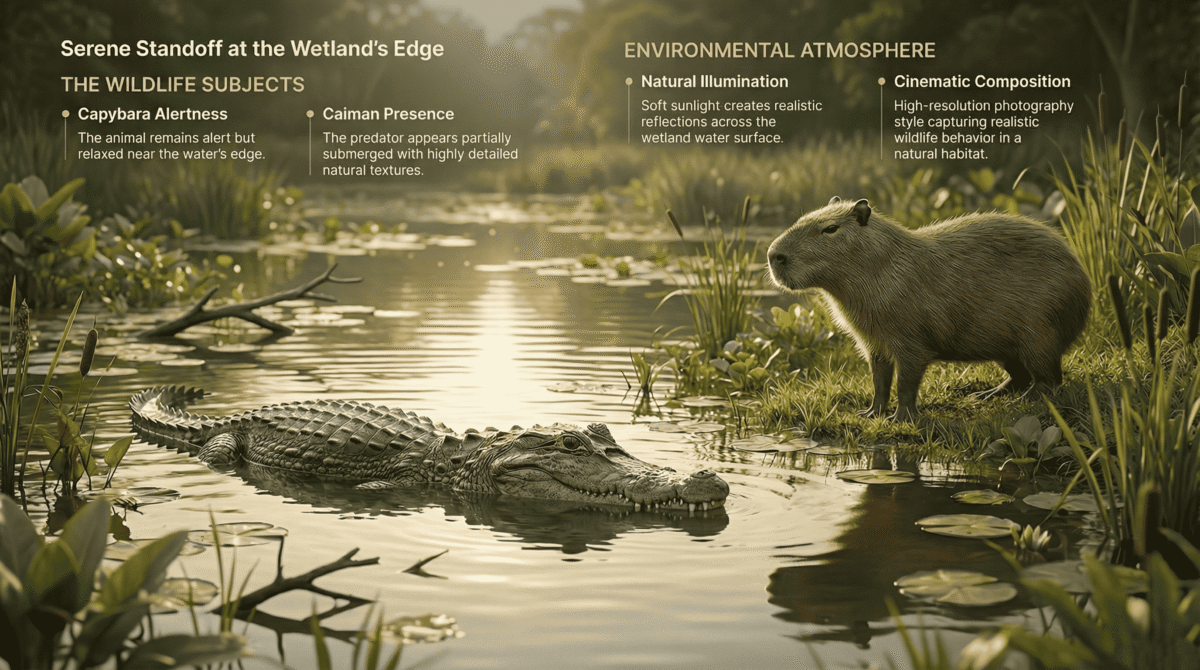
Before (The Viral Illusion):
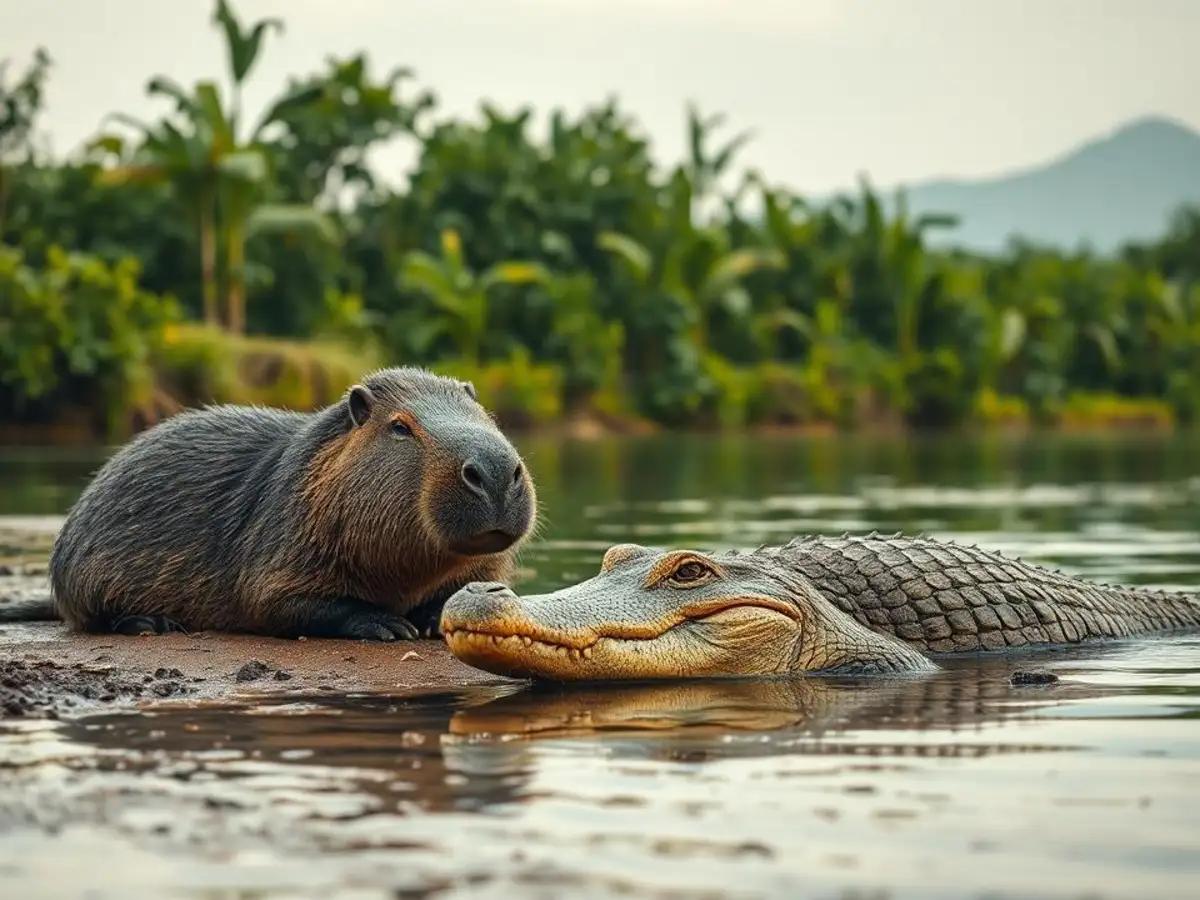
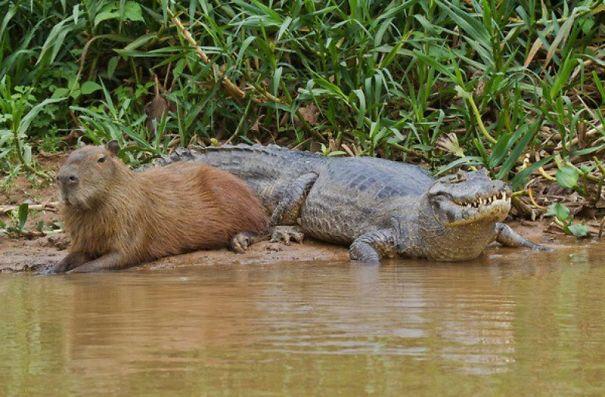
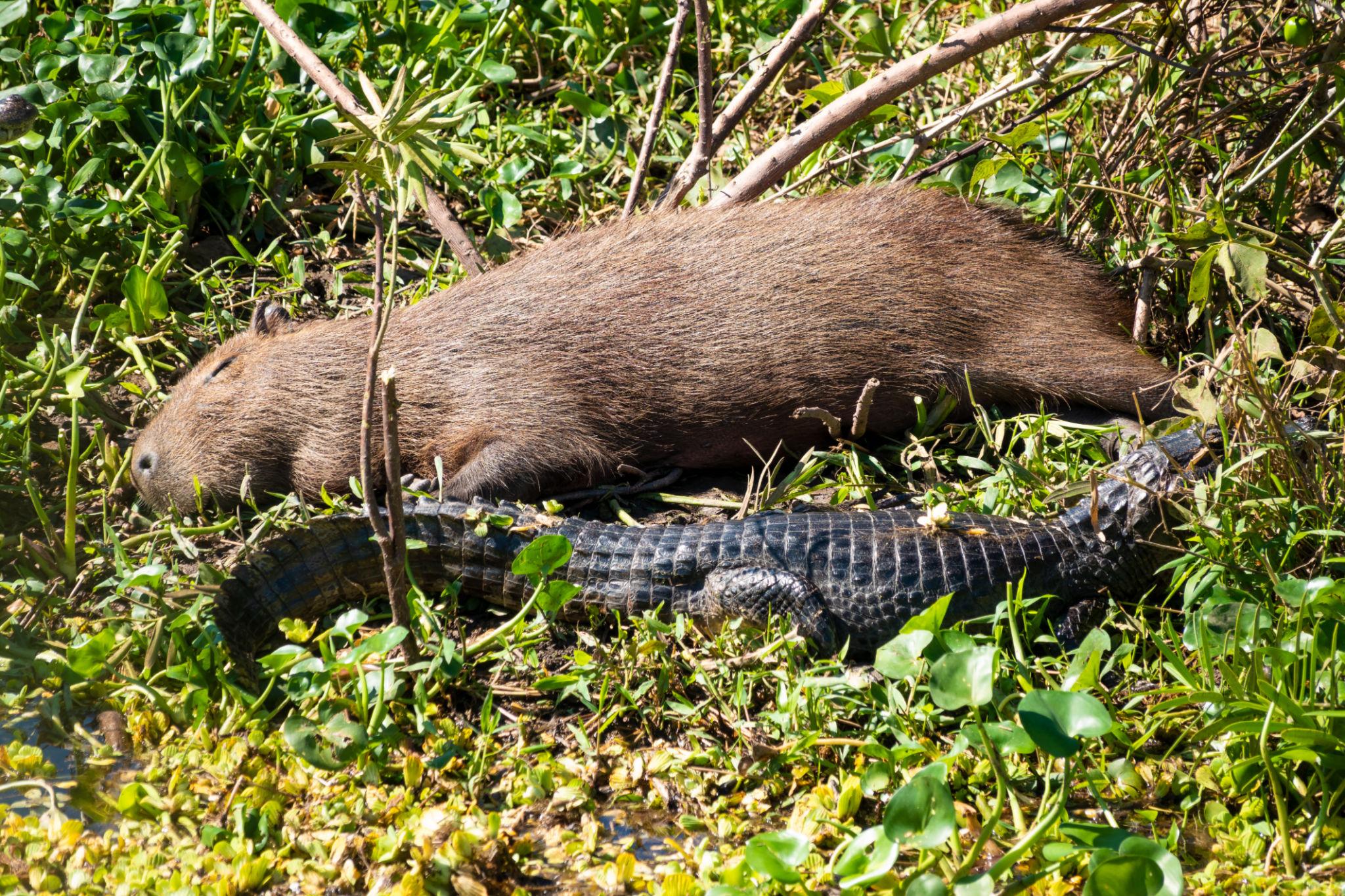
Scroll through social media and you’ll likely stumble upon a surreal scene: a
calm Capybara perched casually on the back of a seemingly indifferent Caiman.
No panic, no attack—just peaceful coexistence. These moments feel almost
unbelievable, challenging everything we assume about the natural order, where
predators hunt and prey flee.
The Confusion:
Naturally, this raises a pressing question: Are these animals actually
friends?
For many viewers, these images blur the line between reality and illusion,
creating a sense of curiosity—and even misunderstanding—about how ecosystems
truly function.
After (The Reality Check):
The truth is far more complex—and far more fascinating—than a simple friendship
narrative. While these interactions may appear peaceful, they are shaped by
timing, environment, biological instincts, and survival strategies—not
affection or alliance.
Bridge (What You’ll Discover):
In this article, we’ll move beyond viral myths to uncover the science behind
these interactions. You’ll learn:
- Whether
crocodilians really see capybaras as prey
- Why
moments of “peace” happen in the wild
- The
ecological factors that allow this coexistence
- And
what this reveals about predator-prey dynamics in nature
By the end, you’ll have a clear, evidence-based
understanding of one of the internet’s most intriguing wildlife mysteries.
The Direct Answer: Myth vs. Reality
Immediate Clarity (Straight Answer)
Yes—crocodilians do eat capybaras.
Species like the Caiman and other crocodilians are natural predators of the Capybara.
But here’s the nuance:
They don’t always attack, and in many situations, they appear to ignore them completely.
Myth vs. Reality
Myth:
“Capybaras and crocodiles are friends.”
Reality:
There is no friendship in the human sense. What you’re seeing is tolerance under specific ecological conditions, not emotional bonding.
What’s Really Happening (The Nuance)
This phenomenon is best explained by conditional predation:
- Crocodilians are opportunistic predators, not constant hunters
- If they are not hungry, they often ignore nearby animals
- Attacking large prey like a capybara requires energy and risk
- Capybaras stay alert and rely on group safety and positioning
So those viral moments of peaceful coexistence?
They’re simply snapshots in time—moments when the conditions for predation aren’t met.
The Key Takeaway
What looks like harmony is actually a delicate ecological balance:
- Predator instinct is still present
- Prey awareness is still active
- The interaction depends entirely on timing, hunger, environment, and risk
This sets the stage for a deeper understanding of why these animals can share space—without it always ending in a hunt.
Understanding Capybaras: Nature's Chillest Rodent
General Characteristics
The Capybara is the largest rodent on Earth, instantly recognizable by its barrel-shaped body, short legs, and calm demeanor.
- Semi-Aquatic Lifestyle:
Capybaras are deeply tied to water. Rivers, lakes, marshes, and flooded grasslands across South America form their natural habitat. - Diet & Habitat:
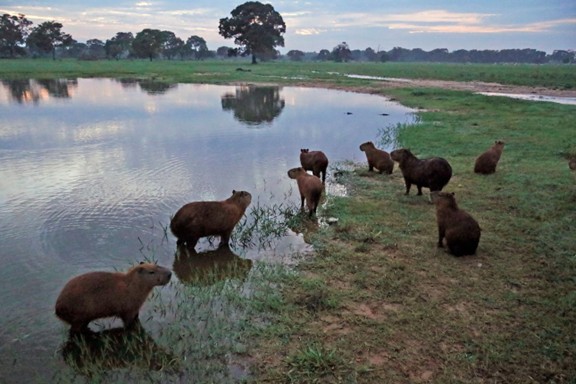
They are strict herbivores, feeding primarily on grasses, aquatic plants, and occasionally fruits. Their grazing plays a key role in shaping wetland vegetation. - Highly Social Nature:
Capybaras live in groups of 10–30 individuals, sometimes even larger. This social structure is not just for bonding—it’s a critical survival strategy.
Key Adaptations for Survival
Despite their calm and “friendly” viral image, capybaras are highly adapted prey animals.
- Large Body Size:
Adult capybaras can weigh 35–65 kg. This makes them less appealing targets compared to smaller, easier prey—predators must weigh effort vs. reward. - Master Swimmers:
Their semi-aquatic nature is their greatest defense. Capybaras can:- Swim effortlessly
- Stay submerged for several minutes
- Escape quickly into water when threatened
- Constant Vigilance:
Even when they appear relaxed, capybaras are rarely off-guard:- Group members act as lookouts
- Sharp hearing and smell detect danger early
- Alarm calls alert the entire group instantly
This combination of size + water access + group awareness significantly reduces their risk of predation.
Role in the Ecosystem
Capybaras are not just passive animals—they are ecological influencers.
- Grazers (Vegetation Control):
Their feeding helps maintain grassland balance, preventing overgrowth and supporting biodiversity. - Prey Base (Conditional):
They are prey for animals like caimans, jaguars, and anacondas—but not always.
Predation depends on:- Environmental conditions
- Predator hunger
- Opportunity and risk
Understanding Crocodilians: Not All Predators Are the Same
Diversity of Species (Why Specifics Matter)
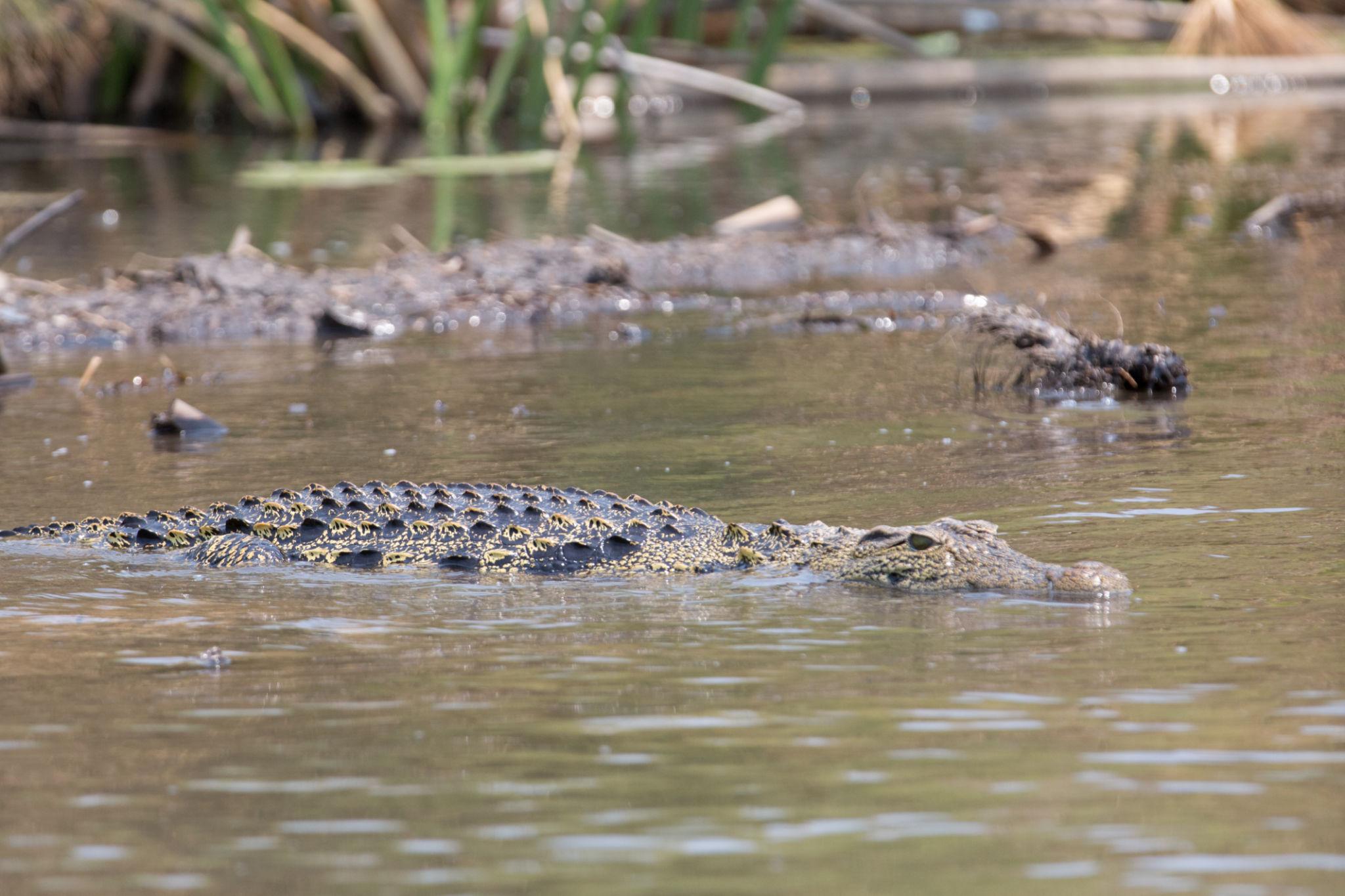
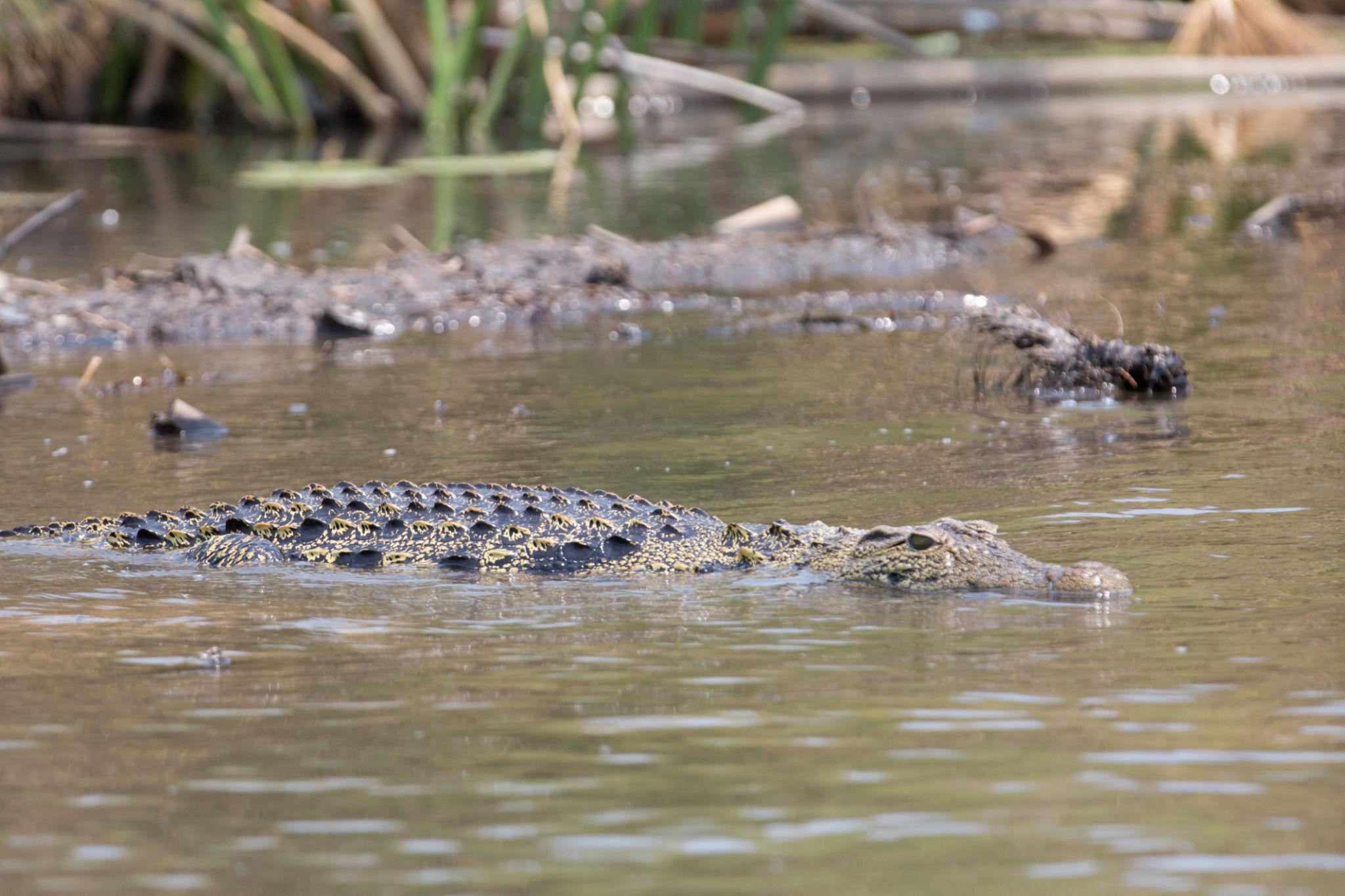
When we talk about “crocodiles,” we often oversimplify. In reality, crocodilians belong to three distinct families:
- Crocodylidae (true crocodiles)
- Alligatoridae (alligators and caimans)
- Gavialidae (gharials)
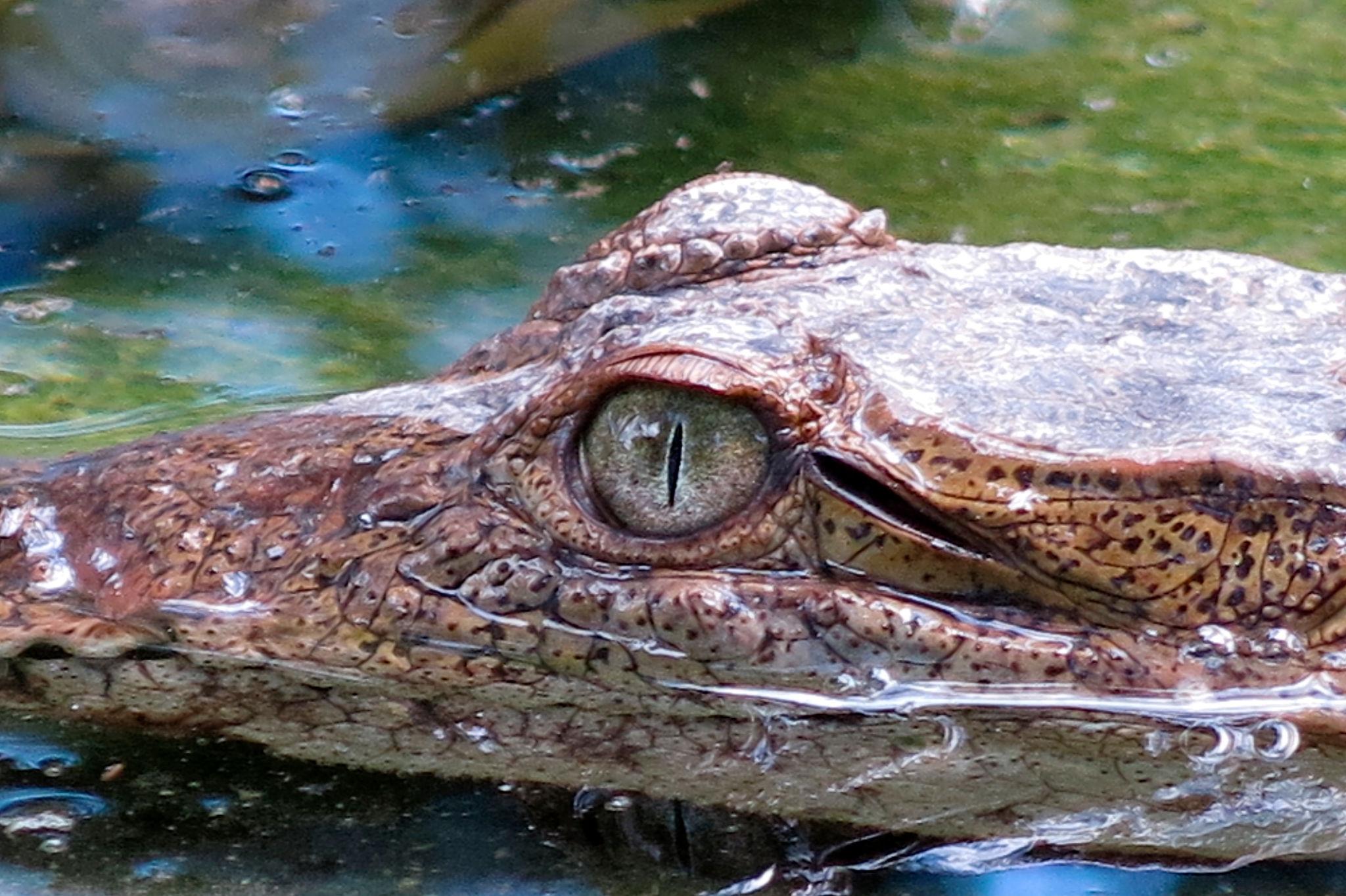
In South America—where Capybara live—the most relevant predators are caimans and crocodiles, each with different behaviors and prey preferences.
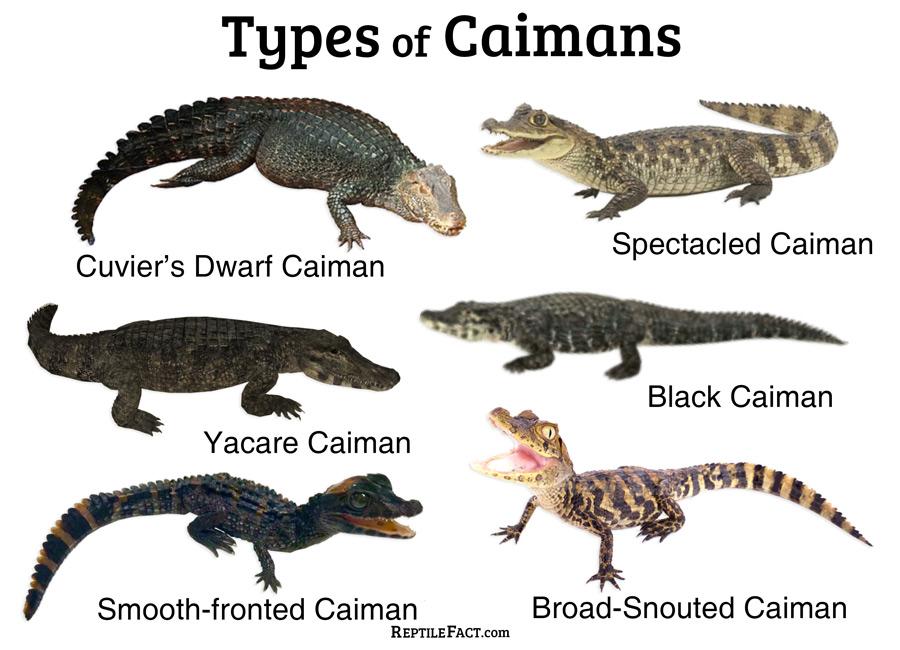
Key Species You Should Know:
- Spectacled Caiman
- Most common and widespread
- Medium-sized, adaptable diet
- Black Caiman
- Largest predator in the Amazon wetlands
- Powerful enough to take large prey, including capybaras
- Orinoco Crocodile
- Critically endangered but highly formidable
- Capable of preying on large mammals
- Other regional caimans
- Include species like the Yacare caiman
- Typically smaller, with more limited prey range
General Predatory Behavior
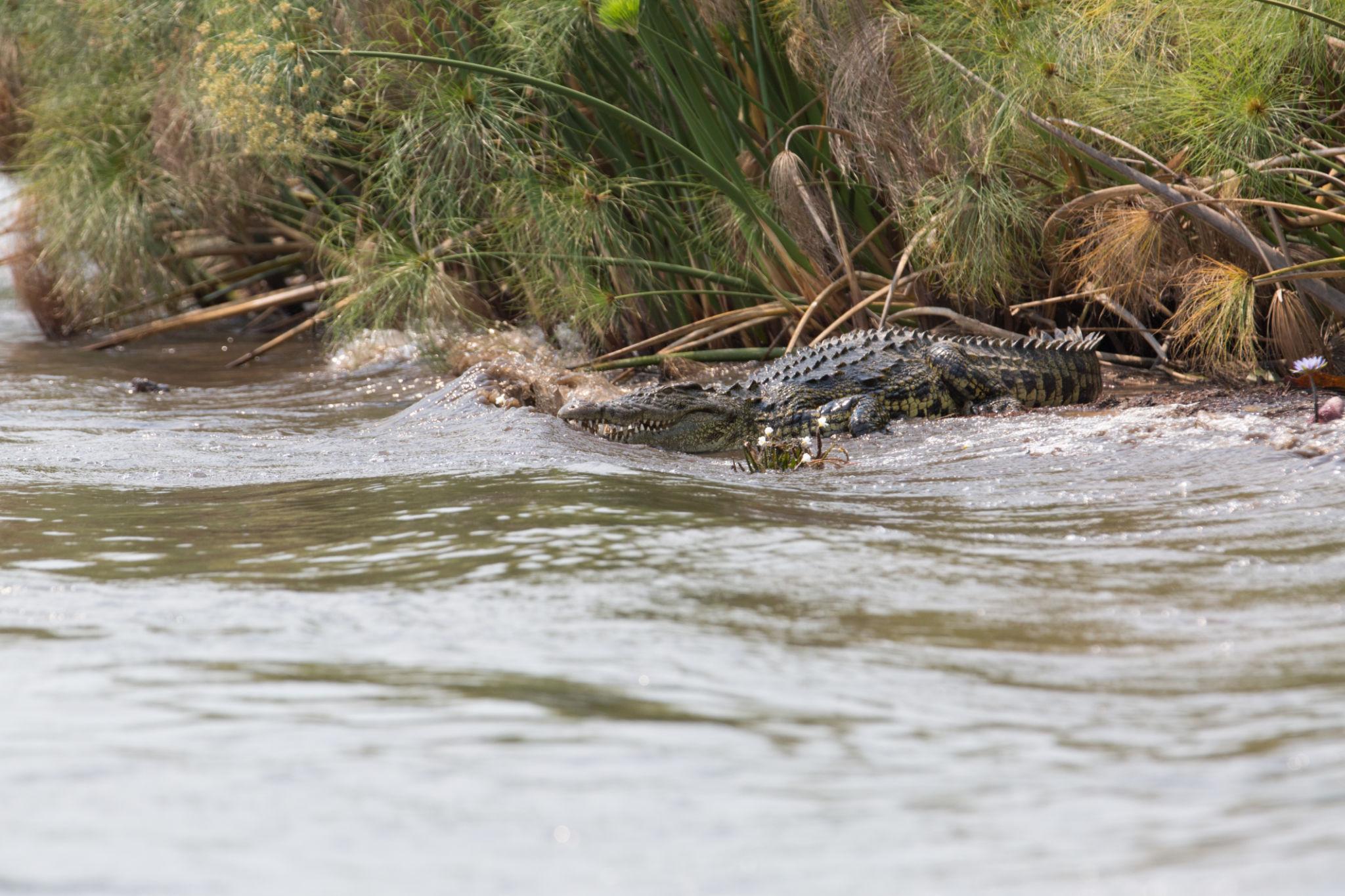
Crocodilians are opportunistic ambush predators, not constant hunters.
- Diet Typically Includes:
- Fish (primary food source for many species)
- Birds
- Reptiles
- Small to medium mammals
- Hunting Strategy:
- Wait silently at the water’s edge
- Strike with explosive speed
- Use immense bite force to secure prey
They rely on energy efficiency—meaning they attack only when the payoff is worth the effort.
Why They Don’t Always Attack Capybaras
Even though capybaras can be prey, several factors influence predator decisions:
- Smaller caimans may avoid large adult capybaras
- Well-fed individuals are less likely to hunt risky prey
- Attacking a large, alert animal near water carries failure risk
This explains why a Caiman might ignore a nearby capybara—at least temporarily.
Geographic Overlap (Where Encounters Happen)
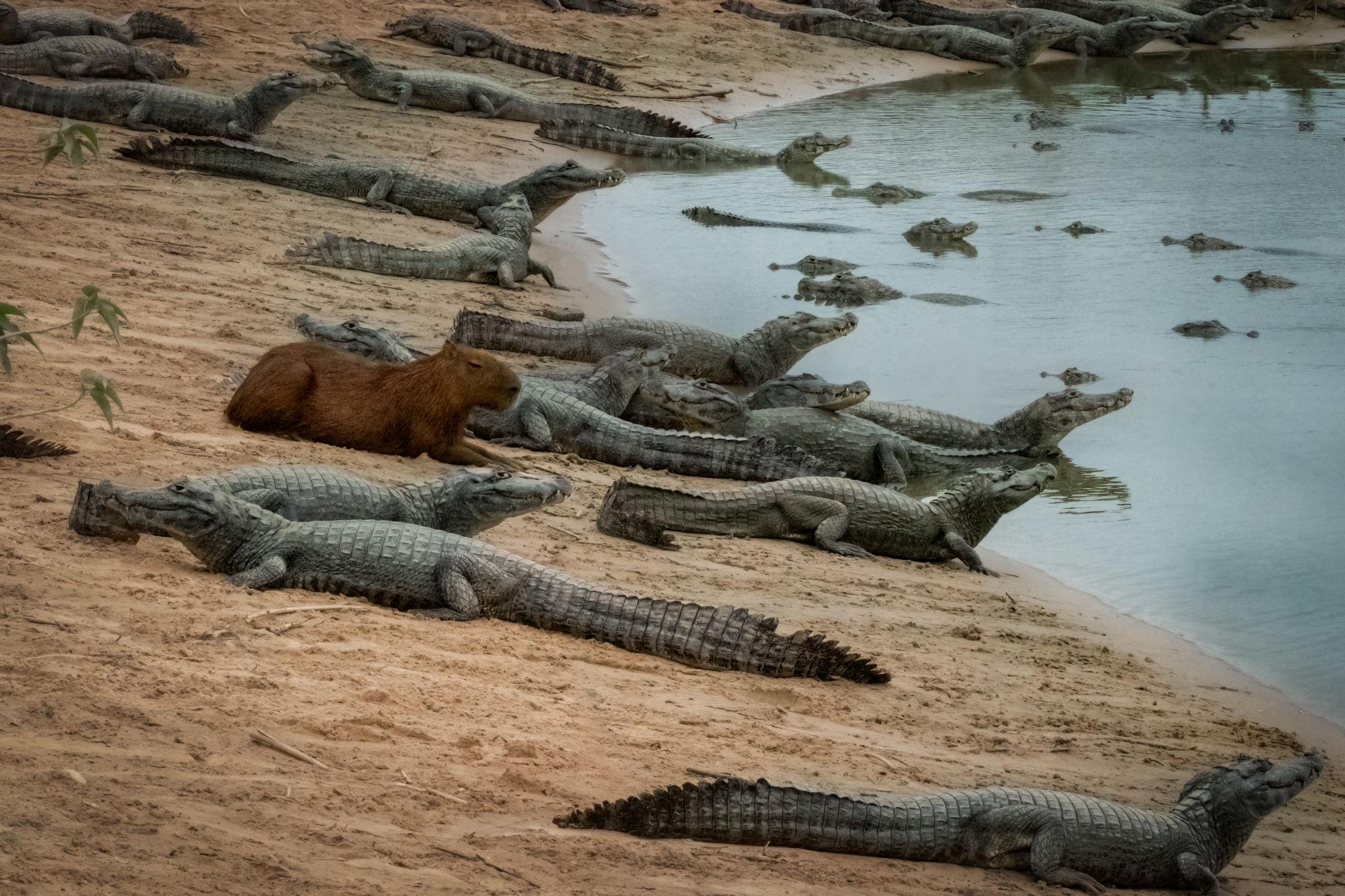
Capybaras and crocodilians share the same environments:
- Amazon Basin
- Orinoco River system
- Pantanal wetlands
These regions are rich in water sources—creating constant proximity between predator and prey.
But proximity ≠ constant predation.
Instead, it creates a dynamic relationship, where interaction depends on:
- Water levels
- Food availability
- Predator size and hunger
Predator Profile (Comparison Overview)
|
Species |
Size & Strength |
Typical Diet |
Likelihood of Hunting Capybara |
|
Spectacled Caiman |
Medium |
Fish, small animals |
Low to moderate (juveniles more at risk) |
|
Black Caiman |
Very large |
Fish, birds, mammals |
High (can take adults) |
|
Orinoco Crocodile |
Large & powerful |
Fish, large vertebrates |
Moderate to high (rare encounters) |
|
Smaller Caimans |
Small to medium |
Fish, insects, small prey |
Low (prefer easier targets) |
Key Factors Explaining Coexistence
At first glance, the calm proximity between a Capybara and a Caiman seems mysterious. But ecology offers clear, evidence-based explanations. This coexistence is not accidental—it’s shaped by energy efficiency, risk calculation, and species-specific behavior.
- Food Abundance & Predator Preference
Expert Insight: Food availability changes everything.
Most crocodilians—especially smaller species—prefer easier, more abundant prey, such as:
- Fish
- Amphibians
- Small birds
From an ecological standpoint, this follows the principle of optimal foraging strategy:
- Predators aim to maximize energy gain
- While minimizing effort and risk
👉 Hunting a large, alert capybara:
- Requires more energy
- Has a higher chance of failure
- Can lead to injury
So if fish are plentiful, a caiman will ignore the capybara entirely.
- Capybara Size & Defensive Advantages
Expert Tip: Size + awareness = survival advantage
Adult capybaras are not easy targets:
- Large Body Size:
Many caimans simply can’t overpower a full-grown capybara - Water Escape Strategy:
Capybaras are excellent swimmers and can:- Dive quickly
- Escape into deeper water
- Stay submerged to avoid detection
- Constant Vigilance:
In groups, at least one individual is always alert
→ This reduces surprise attacks significantly
📊 Research in behavioral ecology consistently shows that group vigilance lowers predator success rates.
- Species-Specific Interactions
Expert Tip: Not all crocodilians behave the same
This is one of the most important (and often ignored) factors.
- Spectacled Caiman
- Smaller, less powerful
- Rarely attack adult capybaras
- Prefer fish and small prey
- Black Caiman
- Large apex predator
- Fully capable of killing capybaras
- Orinoco Crocodile
- Powerful and opportunistic
- Can prey on large mammals when conditions allow
👉 Key takeaway:
Coexistence is far more likely with smaller species, while larger predators increase real risk.
- Shared Habitat & Ecological Neutrality
Interestingly, both animals benefit from the same environment—without directly interfering with each other most of the time.
- Crocodilians:
Use water for hunting and thermoregulation - Capybaras:
Use water for escape, cooling, and social activity
This creates a relationship best described as:
- Indifference (most common)
- Or occasionally commensalism (one benefits, the other unaffected)
Comparative Overview: Why Coexistence Happens
|
Factor |
Effect on Interaction |
Outcome |
|
Food Abundance |
Reduces need to hunt large prey |
Capybara ignored |
|
Predator Size |
Smaller caimans lack power |
Lower predation risk |
|
Capybara Vigilance |
Early detection of danger |
Fewer successful attacks |
|
Water Access |
Provides escape route |
Increased survival |
|
Energy Economics |
High risk vs reward |
Predator hesitation |
When Predation Does Occur (The Nuance)
Even though viral videos often show calm coexistence, predation does happen, particularly under specific circumstances. Understanding these nuances is key to grasping the full predator-prey dynamic between Capybara and Caiman.
- Juvenile Vulnerability
Expert Tip: Young capybaras are at highest risk.
- Juvenile capybaras are much smaller, often weighing under 10 kg
- Their size and inexperience make them easier targets for:
- Smaller caiman species
- Opportunistic birds of prey
- Jaguars or anacondas
Even a typically “indifferent” crocodilian may seize the chance to hunt a juvenile.
📊 Studies in South American Wetlands Ecology confirm that predation rates are highest for capybaras under six months of age.
- Scarcity of Preferred Food Sources
Crocodilians are opportunistic, but environmental stress can push them toward riskier prey:
- During droughts or habitat degradation, fish and amphibians become scarce
- Predators may then target larger, more challenging animals, including adult capybaras
- This aligns with the ecological principle of adaptive foraging, where predators adjust diet based on availability
- Specific Aggressive Species
- Black Caiman (Melanosuchus niger) and Orinoco Crocodile (Crocodylus intermedius) are the only South American crocodilians consistently documented preying on adult capybaras.
- Smaller species, such as Spectacled Caiman, rarely attack full-grown adults.
📈 Quantifiable examples:
- Observational studies in the Amazon note that ~10–15% of capybara mortality in certain wetlands is attributable to large caimans, particularly during low-water seasons.
- Situational Factors
Predation often depends on context rather than species alone:
- Isolation: Injured or lone capybaras are easy targets
- Ambush opportunities: Crocodilians waiting near riverbanks or hidden under vegetation may strike if a capybara ventures too close
- Timing: Predators are most active at dawn, dusk, or night, when prey is less alert
The 'Friendship' Misconception: Explaining the Rides
Debunking the 'Friendship' Myth
Expert Tip: Those viral images of Capybara casually perched atop Caiman are not evidence of friendship.
- Humans have a natural tendency to anthropomorphize animal behavior, projecting emotions like affection or camaraderie onto wild species.
- In reality, coexistence in these moments is opportunistic and context-dependent, not emotional bonding.
Scientific Explanations for the “Rides”
- Commensalism: One Benefits, One Indifferent
- Capybaras may use crocodilians as elevated platforms to:
- Scan for predators
- Rest in a warm or sunlit position
- The crocodilian remains completely indifferent, neither harmed nor helped
This is a classic example of commensalism, where one species gains a benefit without affecting the other.
- Dominance or Indifference Display
- Capybaras may test boundaries or exploit opportunities.
- The crocodilian might:
- Be satiated
- Be too large to be threatened
- Perceive no reward or threat
Essentially, the capybara is playing it safe, and the predator sees no reason to act.
- Risk Assessment by Capybaras
Capybaras are highly attuned to their environment:
- They can assess a predator’s size, hunger, and alertness
- A large, sated crocodilian is less risky than a small, hungry one
- Choosing to perch on such an individual is calculated and strategic, not playful
Context for Viral Content
- These viral images capture rare, specific moments.
- They do not represent everyday interactions, where predation and avoidance dominate.
- Understanding the ecological context helps viewers interpret these scenes accurately: it’s biology, not friendship.
Broader Ecological Lessons from this Relationship
Complexity of Predator-Prey Dynamics
The interactions between Capybara and Caiman challenge the simplistic notion of “eat or be eaten.”
- Predator-prey relationships are multi-layered and influenced by:
- Food availability
- Group behavior
- Habitat structure
- Species-specific adaptations
These dynamics highlight that survival in the wild is a constant negotiation of risk, opportunity, and resource management.
Ecological Niche and Resource Partitioning
Different species occupy distinct ecological niches, even in overlapping habitats:
- Capybaras: Grazers and semi-aquatic herbivores, relying on vigilance and water escape
- Crocodilians: Ambush predators, opportunistically hunting available prey
By specializing in different roles, they minimize direct conflict, allowing coexistence even in the same riverbanks and wetlands. This is a classic example of resource partitioning, where species adapt to shared environments without constant confrontation.
The Importance of Habitat Health
A thriving ecosystem directly supports coexistence:
- Abundant food for crocodilians (fish, small mammals) reduces pressure on riskier prey like capybaras
- Well-maintained wetlands provide ample water and cover for both species
- Conservation implications: Protecting South American wetlands benefits not just capybaras and caimans, but the entire biodiversity of the region
Adaptation and Survival Strategies
- Capybaras teach us:
- Vigilance pays off—being alert reduces predation risk
- Group living enhances survival
- Aquatic skills provide a critical escape route
- Crocodilians teach us:
- Opportunistic hunting is energy-efficient
- Assessing prey risk is as important as hunting itself
This relationship exemplifies how adaptation, specialization, and environmental awareness are key to survival for both predator and prey.
Key Takeaway
Beyond the viral videos, the capybara-caiman dynamic is a microcosm of ecological complexity:
- Survival depends on strategy, opportunity, and context
- Healthy ecosystems facilitate coexistence
- Predator-prey relationships are nuanced, not black-and-white
Understanding these lessons deepens our appreciation for the interconnected web of life in South America’s wetlands.
Frequently Asked Questions (FAQs)
Q: Are capybaras ever truly safe around crocodiles?
A: “Safe” is relative in the wild. Coexistence is common, especially with smaller or well-fed crocodilians, but predation is always possible. Factors such as predator species, hunger, habitat conditions, and individual capybara vigilance determine actual risk. Even calm viral moments do not guarantee safety.
Q: Do other animals ride on crocodilians?
A: While capybara-caiman interactions are the most famous viral examples, other commensal or indifferent interactions exist in nature. For example:
- Birds such as egrets sometimes perch on large mammals to feed on insects they disturb
- Certain fish species swim around sharks or turtles for protection or food scraps
These are context-dependent and reflect risk assessment and opportunistic behavior, not friendship.
Q: What's the main difference between an alligator and a caiman regarding capybaras?
A:
- Alligators (Alligatoridae, mostly in North America) are generally larger and have a broader diet, often including fish, birds, and mammals, but capybaras are not native to their range.
- Caimans (South American relatives) vary in size:
- Smaller species (e.g., Spectacled Caiman) pose low risk to adult capybaras
- Larger species (Black Caiman, Orinoco Crocodile) can take adult capybaras
The key differences are size, diet, and predation risk, with larger caimans representing the greatest threat in natural habitats.
Q: How do scientists study these interactions?
A: Researchers use multiple field-based and analytical methods:
- Direct observation in rivers and wetlands
- Camera traps to capture natural behaviors
- Scat and stomach content analysis to determine diet
- Ecological modeling to predict predator-prey dynamics
These methods have produced a robust body of evidence confirming that coexistence is conditional, situational, and species-specific.
Key Takeaway
Expert research underscores that viral images of capybaras and crocodilians are rare glimpses of a complex ecological system. Predation risk, environmental factors, and behavioral adaptations all influence these interactions—highlighting the fascinating balance of life in South American wetlands.
Conclusion
The relationship between Capybara and Caiman is a fascinating example of ecological balance.
- Predation is real but conditional: Adult capybaras are not easy prey for all crocodilians, though juveniles and isolated individuals remain vulnerable.
- Coexistence is nuanced, not friendship: These viral images are snapshots of a complex interplay involving species-specific behavior, dietary preferences, vigilance, and habitat context.
- Ecological insights abound: Capybaras’ social vigilance and aquatic skills, coupled with crocodilians’ opportunistic hunting, illustrate how species adapt and survive in shared environments.
The Nuanced Truth
Viral moments of capybaras calmly riding or resting near crocodilians capture attention but only tell part of the story. True understanding comes from observing behavior within ecological and evolutionary contexts, not projecting human emotions onto wildlife.
Final Thought
This unique predator-prey relationship reminds us that life in South American wetlands is interconnected, adaptive, and delicately balanced. Appreciating this complexity reinforces the value of scientific observation over viral sensationalism, and deepens our respect for the natural world.
- Next time you see a capybara atop a caiman, remember: it’s biology, not bromance—a living lesson in survival, strategy, and coexistence.