Capybara vs. Nutria: The Ultimate Guide to Telling Them Apart (And Why It Matters)
March 27, 2026
Can You Own a Capybara in Florida? Your Complete Guide to Permits, Laws, & Responsible Ownership
March 31, 2026
Introduction
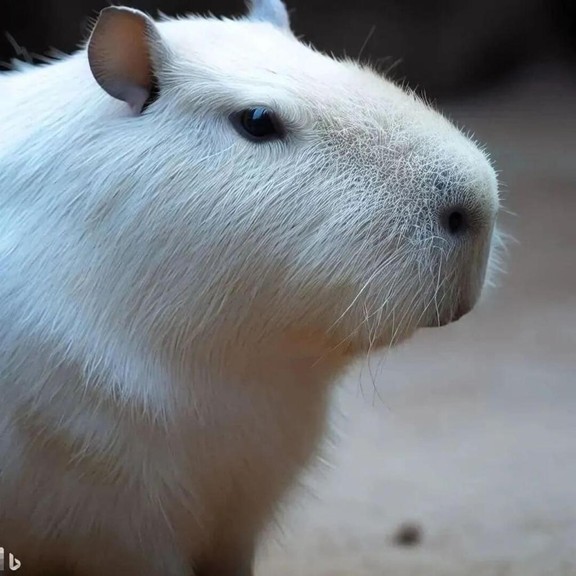
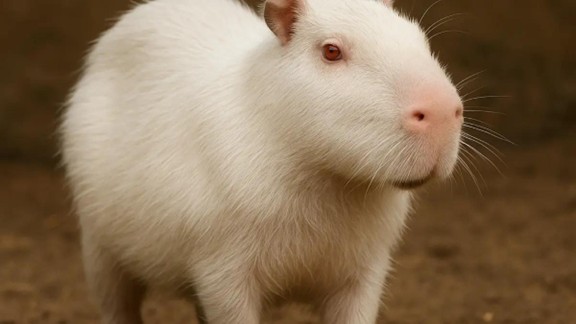
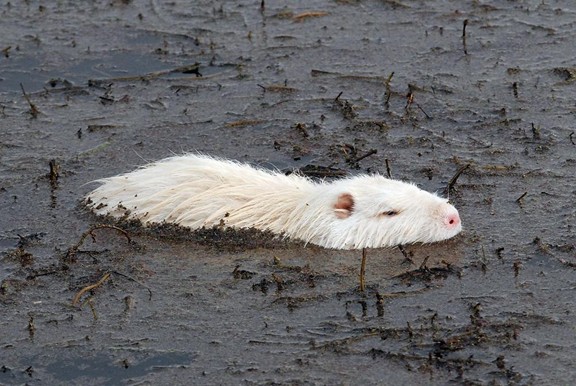
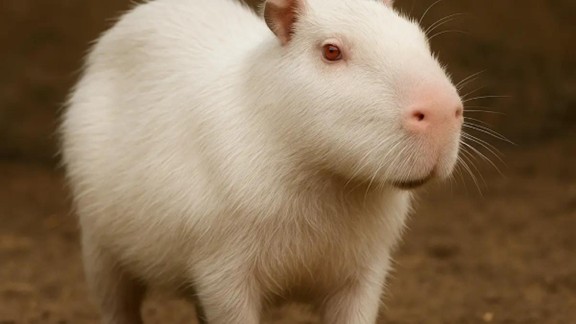
Imagine the lush, emerald wetlands of South America, alive with the rustle of reeds and the calls of exotic wildlife. Now picture something that seems almost unreal—a capybara, but transformed into a ghostly vision: fur as white as freshly fallen snow, eyes glowing a striking crimson. This is not folklore or fantasy. It is the rare and mesmerizing albino capybara, one of nature’s most captivating anomalies.
At the heart of this phenomenon lies albinism—a genetic condition that strips away pigment, creating animals of extraordinary beauty. Yet, behind this visual wonder is a harsher reality. Albinism is not just about appearance; it brings with it a series of biological challenges that make survival in the wild incredibly difficult.
This article goes beyond the surface fascination. It unravels the science behind albino capybaras, explores the profound struggles they face in their natural habitats, and examines their role within delicate ecosystems. By separating myth from fact, you’ll gain a deeper appreciation of these rare creatures—not just as curiosities, but as powerful symbols of genetic diversity and vulnerability in the wild.
What is Albinism? A Genetic Primer
Defining Albinism
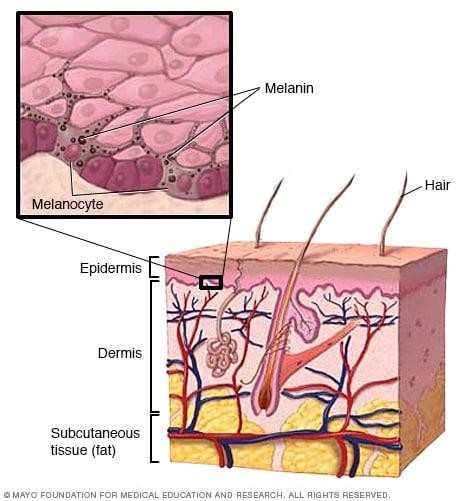
Albinism—more specifically oculocutaneous albinism (OCA)—is a rare inherited condition that affects the production of pigment in an animal’s body. In simple terms, it occurs when the body cannot produce enough of melanin, the natural pigment responsible for coloring the skin, fur, and eyes.
Melanin isn’t just about appearance—it plays a critical biological role. It helps protect tissues from harmful ultraviolet (UV) radiation and supports normal vision development. In albino animals like the capybara, the absence of melanin results in:
- White or pale fur
- Pink or reddish eyes (due to visible blood vessels)
- Increased sensitivity to sunlight
From a scientific standpoint, institutions like the National Institutes of Health and Genetics Home Reference have extensively documented how mutations in genes responsible for melanin production—such as the TYR gene—lead to albinism in mammals.
The Genetics of Albinism
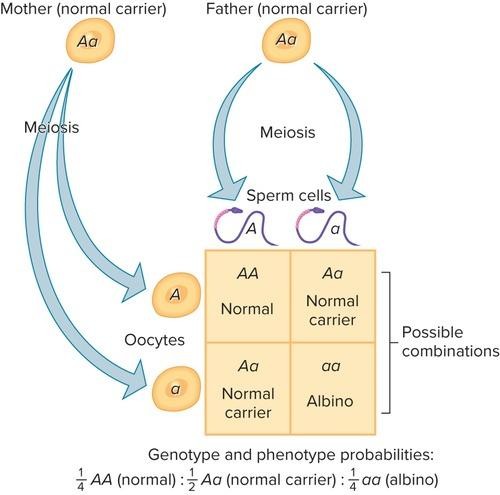
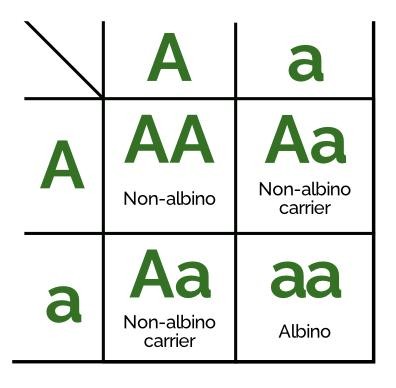
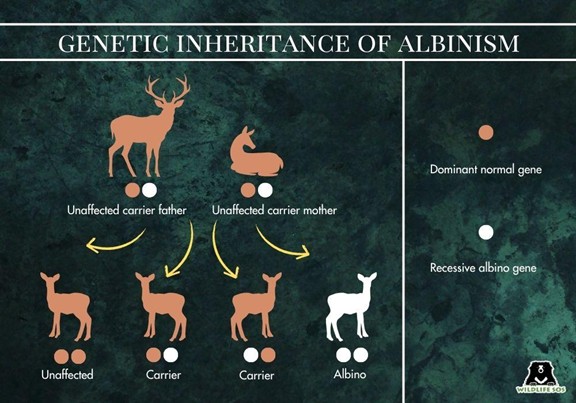
Albinism follows a recessive inheritance pattern, meaning an animal must inherit two copies of the mutated gene (one from each parent) to display the condition.
Here’s how it works:
- If both parents carry one copy of the albinism gene (but appear normal), they are called carriers
- When two carriers reproduce, there is:
- 25% chance of an albino offspring
- 50% chance of a carrier offspring
- 25% chance of a completely unaffected offspring
This is often illustrated using a simple Punnett square, a basic genetic diagram that shows how traits are passed down. This explains why albino animals are so rare—even if the gene exists in a population, it only expresses under specific conditions.
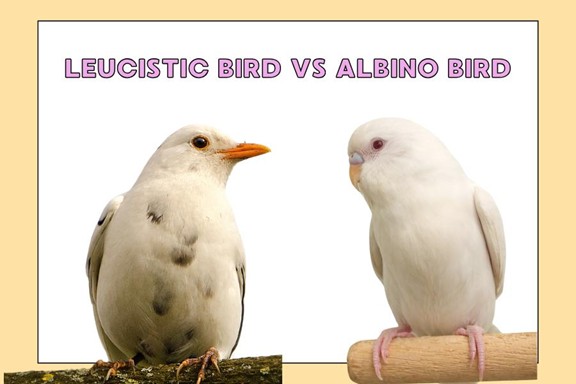
Distinguishing Albinism from Leucism
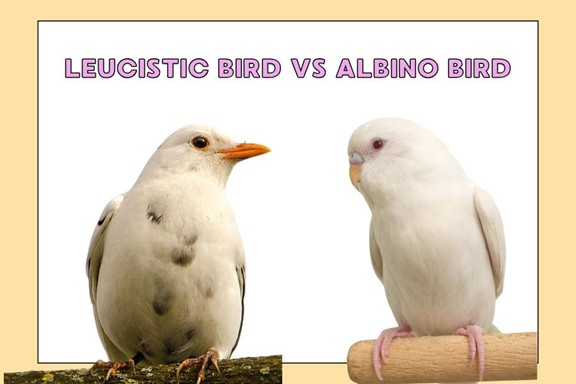
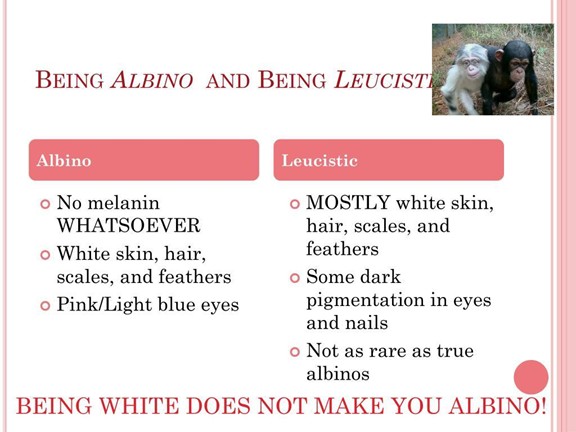
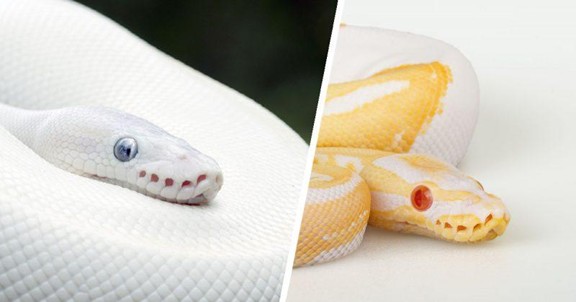
A common misconception is confusing albinism with Leucism, but they are genetically and visually different:
Key Differences:
- Albinism:
- Complete absence of melanin
- Red or pink eyes
- Affects skin, fur, and eyes
- Leucism:
- Partial loss of pigmentation
- Eyes remain normal (dark/black)
- Often results in patchy or pale coloration
Albinism vs. Leucism: Key Scientific Differences
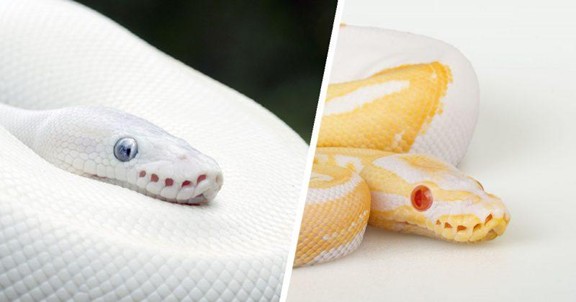
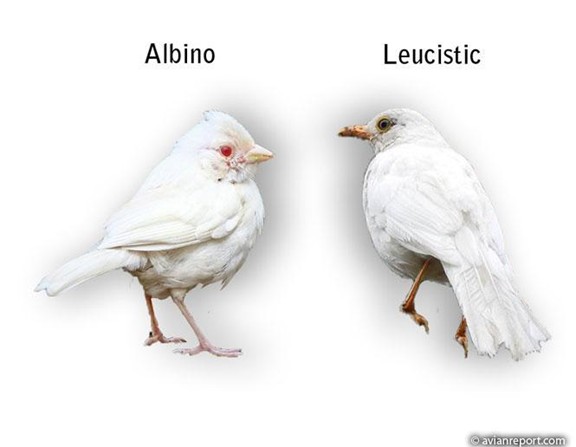
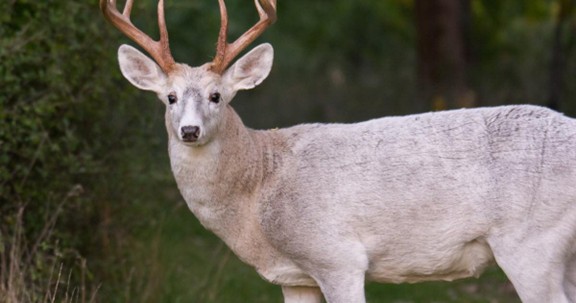
To accurately understand rare animals like the capybara, it’s essential to clearly distinguish between Albinism and Leucism. While both can produce pale or white-looking animals, the underlying biology—and their impact on the animal—are fundamentally different.
Scientific Comparison
|
Feature |
Albinism (Oculocutaneous) |
Leucism |
|
Melanin |
Complete or partial absence of melanin due to disrupted synthesis |
Normal melanin production, but reduced or absent in certain areas due to pigment cell distribution issues |
|
Eye Color |
Red, pink, or very pale blue (blood vessels visible through iris) |
Normal eye color (commonly dark brown or blue) |
|
Skin / Fur |
Pinkish skin and fully white fur |
White or patchy fur, but skin often retains normal pigmentation |
|
Genetics |
Recessive mutation affecting melanin synthesis pathways (e.g., tyrosinase-related processes) |
Mutation affecting migration or differentiation of pigment-producing cells (melanocytes) |
|
Biological Impact |
Often linked to photophobia, poor vision, and high sun sensitivity |
Typically minimal health impact; mainly cosmetic differences |
Scientific Clarity & Accuracy
From a biological perspective, albinism directly disrupts the biochemical production of melanin, often involving enzymes like tyrosinase. In contrast, leucism does not stop melanin production—instead, it interferes with how pigment cells develop or spread during embryonic growth.
In mammals such as capybaras, species-specific genetic studies are limited. Therefore, scientists generally apply well-established mammalian models of pigmentation genetics when explaining these conditions. This cautious generalization ensures accuracy without overextending claims beyond available research.
The Rarity Factor: How Often Do Albino Capybaras Appear?
Statistical Rarity in Wild Populations
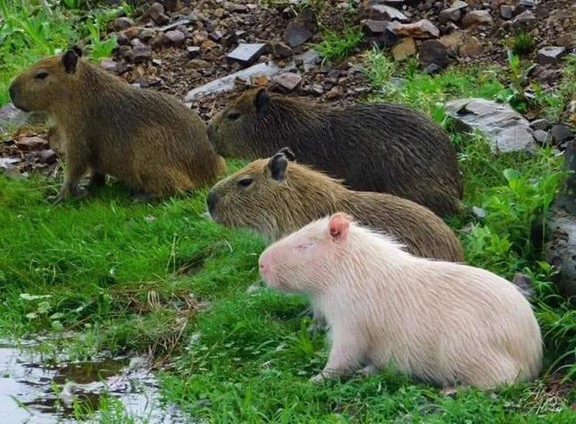
Albinism is genuinely rare across the animal kingdom—and the capybara is no exception. The condition depends on two copies of a recessive gene, which already limits how often it can appear. In most wild populations, estimates suggest that albinism may occur in as few as 1 in 10,000 to 1 in 20,000 individuals (though this varies widely by species).
Organizations such as the International Union for Conservation of Nature and Smithsonian Institution note that genetic traits like albinism remain rare partly because of natural selection pressures. In simple terms, albino animals often struggle to survive long enough to reproduce and pass on their genes.
Key survival disadvantages include:
- Lack of camouflage: Bright white fur makes them highly visible to predators
- Vision problems: Reduced melanin affects eye development
- Sun sensitivity: Increased risk of skin damage in open environments
These factors significantly reduce the likelihood of albino individuals surviving in the wild—keeping their numbers extremely low.
Implications for Survival and Observation
Even when albino capybaras are born, their chances of reaching adulthood are slim. In the dense wetlands of South America, where blending into the environment is critical, a white-coated capybara stands out dramatically.
This leads to two important realities:
- They are rarely seen: Many may not survive long enough to be observed
- They are rarely studied: Scientists have limited opportunities to document their behavior, health, or lifespan
As a result, most knowledge about albino capybaras comes from isolated sightings, captive individuals, or broader research on albinism in mammals rather than species-specific studies.
Uncertainty vs. Sensationalism
One of the biggest challenges is separating fact from exaggeration. Exact statistics for albino capybaras simply do not exist due to their rarity and the difficulty of tracking them in the wild.
This uncertainty often leads to sensationalized claims online, where rare sightings are sometimes overstated or misidentified (for example, confusing leucistic animals with true albinos).
Distinctive Features: Anatomy and Appearance of Albino Capybaras
Key Physical Characteristics
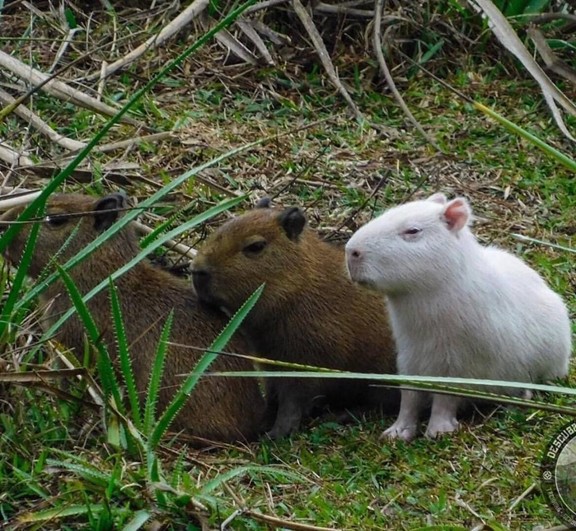
An albino capybara is instantly recognizable—and visually striking—due to the complete absence of pigment. Every feature reflects this genetic condition, creating a dramatic appearance that stands in sharp contrast to its environment.
Defining traits include:
- Pure white fur: Not cream or off-white, but a stark, almost glowing white
- Pink skin: Often visible through thinner areas of fur, especially around the ears and nose
- Red or pink eyes: Caused by the lack of pigment in the iris, allowing underlying blood vessels to show through
- Unpigmented nails and paw pads: Typically pale pink instead of dark
This combination gives the animal a ghost-like presence, especially in the lush green wetlands it inhabits—making it both beautiful and highly vulnerable.
Comparison to Standard Capybaras
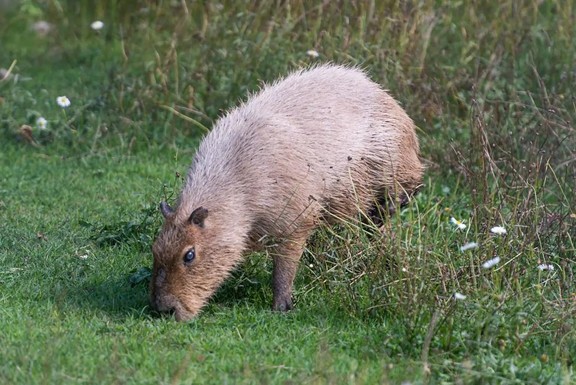
In contrast, standard capybaras are perfectly adapted to their environment. Their natural coloration is not random—it is a survival tool.
- Typical fur color: Reddish-brown, yellowish-brown, or grayish
- Skin tone: Darker and less visible beneath dense fur
- Eye color: Dark brown to black
- Camouflage advantage: Blends seamlessly with muddy riverbanks, grasses, and shadows
This natural camouflage helps them avoid predators and remain undetected—something albino individuals cannot achieve.
Side-by-Side Comparison
|
Feature |
Albino Capybara |
Standard Capybara |
|
Fur Color |
Pure white |
Reddish-brown, yellowish-brown, or grayish |
|
Skin Color |
Pinkish (visible beneath fur) |
Grayish-brown, less visible |
|
Eye Color |
Red or pink |
Dark brown to black |
|
Nails / Pads |
Pink or unpigmented |
Dark (black or brown) |
|
Camouflage |
Extremely poor; highly visible |
Excellent; blends into habitat |
Visual Concept for Designers: “Spot the Difference”
To enhance engagement and clarity, consider an interactive comparison graphic:
- A slider-based image showing an albino capybara on one side and a standard capybara on the other
- As the user drags the slider, differences are revealed in real time
- Key areas highlighted with subtle markers:
- Eyes: red vs dark
- Fur: white vs brown
- Skin/paws: pink vs dark
- Optional hover labels explaining each difference scientifically
This type of visual not only improves understanding but also reinforces how lack of pigmentation directly impacts survival by removing natural camouflage.
Survival in the Wild: Challenges and Adaptations (or Lack Thereof)
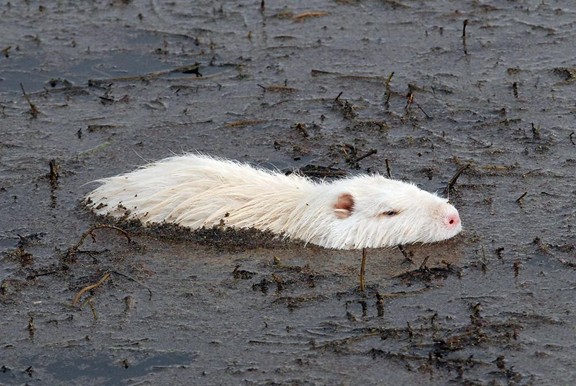
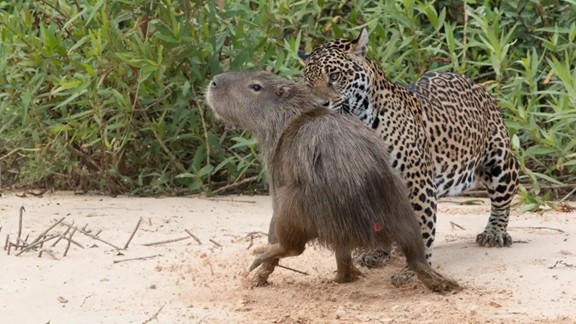
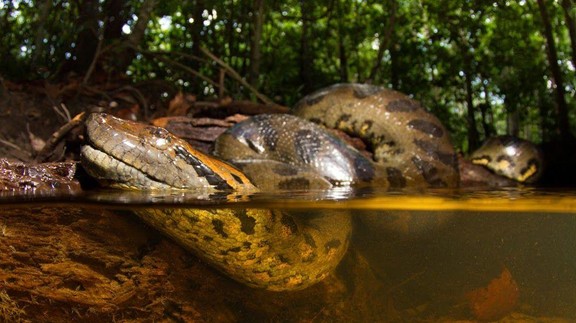
The “Invisible” Capybara: A Survival Story
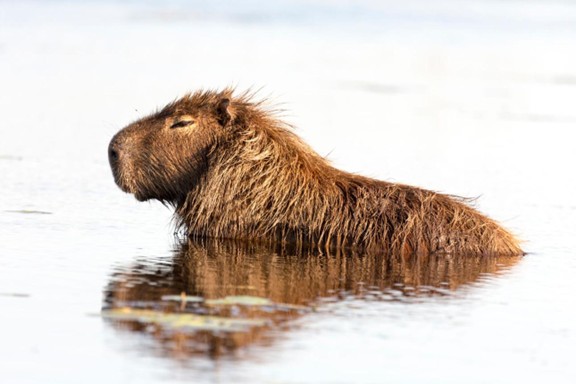
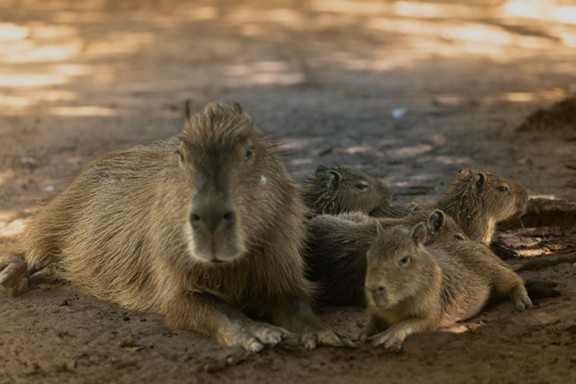
In the wild, survival often depends on not being seen. For a normal capybara, earthy brown tones blend seamlessly into muddy banks and dense vegetation. But for an albino individual, this natural invisibility is completely lost.
Its bright white coat turns it into the opposite of hidden—a highly visible target. In ecosystems across South America, this means constant exposure to predators such as the jaguar, anaconda, caiman, and even birds of prey.
This is not a minor disadvantage—it is often the defining factor that drastically shortens an albino capybara’s lifespan.
Severe Sun Sensitivity
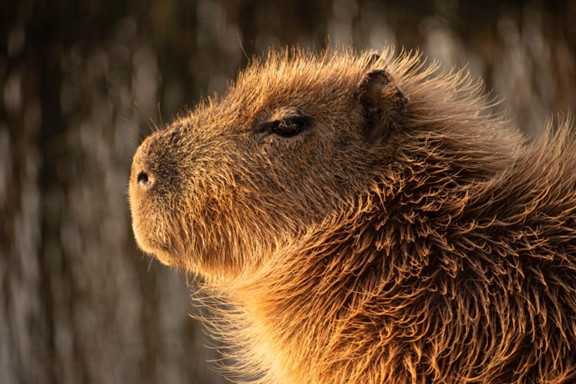
The absence of melanin doesn’t just affect appearance—it directly impacts how an albino capybara experiences its environment.
- Photophobia (light sensitivity): Bright sunlight can overwhelm their eyes, reducing visual clarity and making it harder to detect danger
- Poor eyesight: Depth perception and sharpness are often compromised
- Sunburn risk: Without melanin, their skin lacks natural UV protection
- Increased cancer risk: Prolonged exposure to sunlight can lead to serious skin damage over time
As a result, albino capybaras may spend more time in shade or water, limiting their ability to forage efficiently or remain socially active during peak daylight hours.
Heat Stress and Daily Struggles
Unlike darker skin, which can regulate sunlight more effectively, the pink, unprotected skin of an albino capybara is prone to overheating.
This creates a constant trade-off:
- Stay in the sun → risk heat stress and skin damage
- Stay in shade → miss feeding opportunities
Over time, this imbalance can weaken the animal, making it even more vulnerable to predators and environmental pressures.
Social Integration: A Subtle Factor
Capybaras are highly social animals, living in groups for protection and cooperation. Interestingly, an albino individual is usually still accepted within the group.
However, subtle differences may exist:
- Slight behavioral adjustments due to poor vision
- Possible increased caution or isolation in bright conditions
No Advantage—Only Disadvantage
Unlike many unusual traits in nature, albinism is not an adaptation. It does not provide any survival benefit. Instead, it introduces multiple overlapping challenges that affect nearly every aspect of life:
- Visibility to predators
- Difficulty navigating the environment
- Increased physical stress from sunlight and heat
📊 Survival Challenges at a Glance
|
Challenge |
Description |
Impact on Albino Capybara Survival |
|
Lack of Camouflage |
White fur contrasts sharply with natural habitat |
Easier detection by predators like jaguars, anacondas, and caimans |
|
Photophobia / Poor Eyesight |
Sensitivity to light and reduced vision clarity |
Difficulty foraging, navigating, and spotting threats |
|
Sunburn & Skin Cancer |
No melanin protection from UV rays |
Skin damage, irritation, and long-term health risks |
|
Heat Stress |
Increased vulnerability to overheating |
More time hiding, less time feeding |
|
Social Dynamics (Minor) |
Slight behavioral differences possible |
Minimal compared to physical survival challenges |
Habitat and Known Sightings: Where Do These Rare Capybaras Live?
General Capybara Habitat
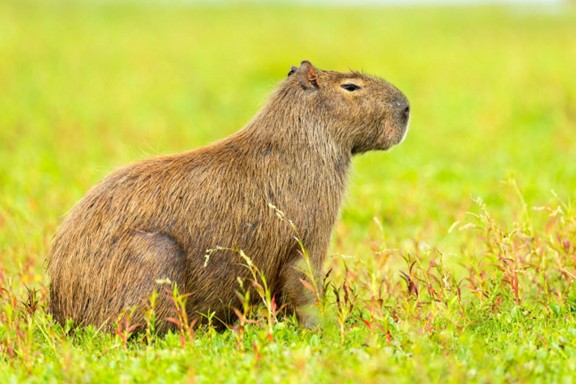
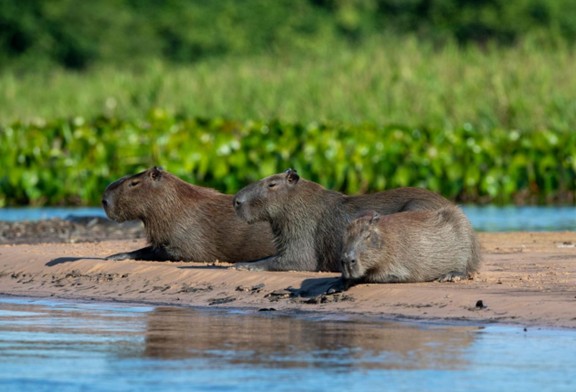
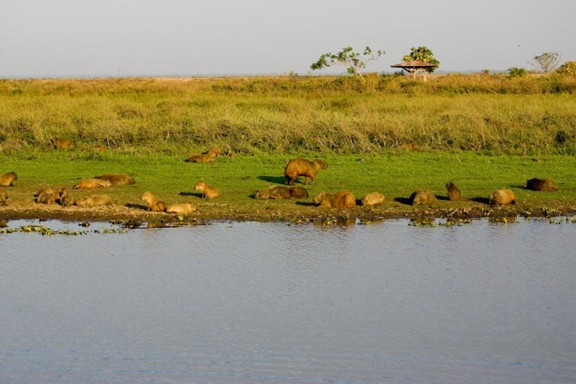
The capybara is native to a wide range of ecosystems across South America, particularly in countries like Brazil, Argentina, and Venezuela.
These semi-aquatic mammals are highly dependent on water and are most commonly found in:
- Wetlands and floodplains
- Rivers, lakes, and lagoons
- Swamps and marshes
- Grasslands near permanent water sources
Scientific studies confirm that capybaras strongly prefer wetland ecosystems, where water provides both food (aquatic plants) and protection from predators.
Two of the most important habitats include:
- The Pantanal — the world’s largest tropical wetland, rich in biodiversity
- The Llanos — vast seasonal floodplains spanning Venezuela and Colombia
Documented Albino Capybara Sightings
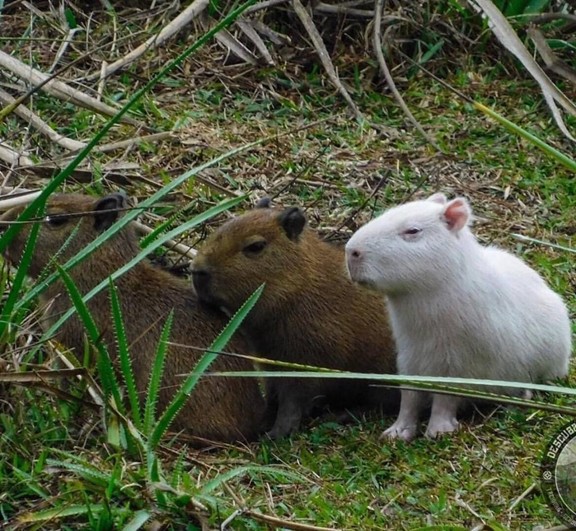
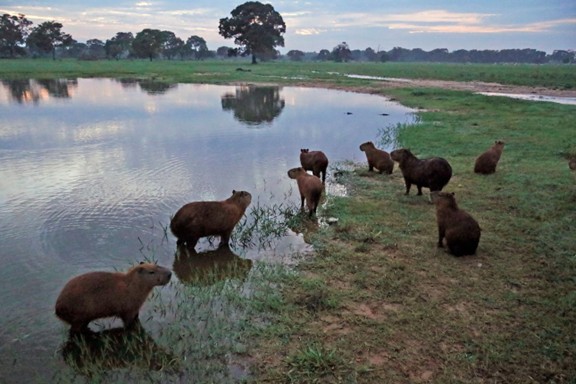
Confirmed sightings of albino capybaras are extremely rare and often anecdotal, typically emerging from biodiversity-rich regions where capybara populations are highest.
While precise, verifiable scientific records are limited, reports have emerged from:
- Pantanal, Brazil: Occasional sightings by wildlife guides and researchers in one of the most densely populated capybara regions
- Llanos, Venezuela: Sporadic reports from photographers and local communities
- Northern Argentina: Isolated modern sightings documented by conservation groups and enthusiasts
However, it is important to note:
- Many sightings are not formally published in scientific literature
- Locations are often kept intentionally vague to protect the animals
- Some documented individuals are observed in wildlife parks or zoos, where survival chances are higher
Ecologists emphasize that even in well-studied ecosystems like the Pantanal, not all individuals or rare genetic traits are recorded, due to the sheer size and complexity of these habitats.
Why Sightings Are So Rare
There are two main reasons albino capybaras are seldom seen:
- Low occurrence rate (genetic rarity)
- Low survival rate (environmental pressures)
Even in areas where capybaras are abundant, albino individuals may:
- Die young due to predation
- Avoid open areas due to light sensitivity
- Remain undetected in dense vegetation
This makes every confirmed sighting scientifically valuable—but difficult to verify.
Reported Sightings Overview
|
Location (General Area) |
Date (Approximate) |
Source / Reported By |
Notes |
|
Pantanal, Brazil |
Various (e.g., 2012, 2017) |
Wildlife guides, researchers |
Biodiversity hotspot; sightings occasionally go viral |
|
Llanos, Venezuela |
Sporadic |
Photographers, local communities |
Large wetland ecosystem with high capybara density |
|
Northern Argentina |
Recent years |
Conservation groups, enthusiasts |
Isolated reports from wetland regions |
|
General (Captivity) |
Ongoing |
Zoos, wildlife parks |
Safer conditions allow longer observation |
Scientific Perspective & Responsible Reporting
Wildlife experts stress that data on albino capybaras remains incomplete, and much of what exists comes from field observations rather than controlled studies.
💬 As many field biologists note, rare genetic traits like albinism are “opportunistic observations rather than predictable research subjects,” especially in vast ecosystems like the Pantanal.
Conservation Status: Are Albino Capybaras More Endangered?
General Capybara Conservation
The capybara (Hydrochoerus hydrochaeris) is currently listed as “Least Concern” on the IUCN Red List. This indicates that, as a species, capybaras are widespread and relatively stable, though local populations may decline in areas affected by human activity.
Primary threats to capybaras include:
- Habitat destruction: Wetlands drained for agriculture or development
- Hunting: For meat, hides, or local consumption
- Pollution: Contamination of rivers and wetlands
- Human-wildlife conflict: Interaction with urban or agricultural areas
Albino Capybaras: Added Vulnerability
While the species itself is not endangered, albino capybaras face unique survival challenges:
- Heightened predation: Their white fur makes them extremely visible to jaguars, anacondas, caimans, and birds of prey.
- Sun sensitivity: Lack of melanin increases risks of sunburn, skin cancer, and photophobia.
- Environmental stress: Difficulty foraging or avoiding heat and predators reduces survival chances.
The Role of Genetic Diversity
Albinism is a recessive genetic trait, meaning it only manifests when two carriers pass the gene to their offspring. This underscores the importance of:
- Maintaining a healthy, diverse gene pool in wild capybara populations
- Understanding that rare genetic traits like albinism are part of natural variation, but individuals expressing them may struggle to survive
Conservation Comparison: General vs. Albino Individuals
|
Aspect |
General Capybara Population |
Albino Capybara Individuals |
|
IUCN Red List Status |
Least Concern |
Not separately assessed; included in species “Least Concern” |
|
Population Trends |
Generally stable; local declines due to habitat loss |
Extremely rare; often short-lived in the wild |
|
Primary Threats |
Habitat destruction, hunting, pollution, human-wildlife conflict |
Predators, sun exposure, environmental stress |
|
Conservation Focus |
Habitat preservation, sustainable management, anti-poaching |
No specific programs; benefit indirectly from general capybara conservation |
|
Genetic Vulnerability |
Healthy gene pool ensures species resilience |
Recessive trait; individuals face severe disadvantages |
|
Overall “Endangerment” |
Not endangered |
Highly vulnerable individually; survival and reproduction are at risk |
Myth Busting: Separating Fact from Fiction about Albino Capybaras
Albino capybaras are often the subject of misconceptions due to their rare and striking appearance. Let’s address the most common myths with scientifically grounded explanations.
Common Myths vs. Facts
|
Myth |
Fact (Scientific Explanation) |
|
They are sick or unwell due to their color. |
Albinism is a genetic condition, not a disease. While albino capybaras may face vulnerabilities like sun sensitivity or vision challenges, they are not inherently unhealthy. |
|
They possess magical or mystical powers. |
Albino capybaras are wild animals shaped by natural genetics, with no supernatural abilities. Their rare appearance may seem magical, but it is purely biological. |
|
They are a new, distinct subspecies. |
They belong to the same species (Hydrochoerus hydrochaeris) as normally pigmented capybaras. Albinism is a recessive genetic mutation, not a subspecies classification. |
|
They cannot reproduce or are sterile. |
Albinism does not inherently cause sterility. If albino capybaras survive to adulthood, they can reproduce, passing the recessive gene to offspring. |
|
They have a different diet or behavior. |
Their diet (herbivorous) and general behavior (social, semi-aquatic) are identical to non-albino capybaras. |
|
They are always rejected by their group. |
Capybaras are highly social and tolerant. While albinos are visually distinct, they are often integrated into social groups without major issues. |
Lorem ipsum dolor sit amet, consectetur adipiscing elit, sed do eiusmod tempor in
“Ask a Geneticist” Q&A Snippets
Q: Does the lack of pigment affect internal organs or brain function?
A: “No. Albinism primarily affects melanin production, responsible for pigmentation. Internal organs and brain function are generally unaffected by the albino gene.”
Q: Are albino capybaras weaker overall genetically?
A: “Not inherently. The gene itself doesn’t weaken the animal, but the lack of pigmentation increases environmental vulnerability such as sun exposure and predation risk.”
Q: Can albino capybaras survive in the wild?
A: “Yes, some individuals survive to adulthood, but their survival odds are lower than normally pigmented capybaras due to camouflage and UV protection challenges.”
cididunt ut labore et dolore magna aliqua. Ut enim ad minim veniam, quis nostrud exercitation ullamco laboris nisi ut aliquip ex ea commodo consequat. Duis aute irure dolor in reprehenderit in voluptate velit esse cillum dolore eu fugiat nulla pariatur. Excepteur sint occaecat cupidatat non proident, sunt in culpa qui officia deserunt mollit anim id est laborum.
Capybaras in Captivity: What About Albino Individuals?
Albino capybaras, due to their rare genetics and heightened vulnerabilities, are often found in controlled environments such as zoos and wildlife sanctuaries. In captivity, these individuals benefit from protection and care that greatly improves their survival compared to the wild.
Presence in Zoos and Sanctuaries
Albino capybaras are occasionally housed in:
- Accredited zoos
- Wildlife sanctuaries
- Research facilities
These settings allow:
- Public education about genetic diversity and rare traits
- Scientific study of albinism in rodents
- Observation of behavior and social interactions without predation pressures
Meeting Specific Needs in Captivity
Unlike their wild counterparts, albino individuals in captivity receive tailored care to address vulnerabilities related to albinism:
|
Specific Need / Care |
Role / Benefit in Captivity |
|
Sun Protection |
Access to shade, indoor enclosures, or UV-filtered areas. Educates the public about the impact of albinism on sun sensitivity. |
|
Predator Safety |
Secure habitats free from natural predators. Allows study of behavior without survival pressures. |
|
Veterinary Care |
Regular check-ups for skin lesions, cancer, and eye health. Contributes to veterinary knowledge on albinism. |
|
Social Integration |
Housed with other capybaras to maintain normal social behavior. Acts as ambassadors for species and genetic awareness. |
|
Diet & Enrichment |
Same as standard capybaras: fresh greens, hay, water access, enrichment activities. Demonstrates natural behaviors in a safe environment. |
Ethical Considerations
- Breeding & Housing: The focus should be on welfare rather than novelty. Breeding for color alone raises ethical concerns.
- Educational Value: Albino capybaras help teach visitors about genetics, wildlife diversity, and conservation challenges.
- Welfare Prioritization: Captive care must prioritize health, safety, and psychological well-being, not just display.
Supporting Capybara Conservation
Conservation isn’t just about protecting common species—it also safeguards rare genetic variations, like albino capybaras. Healthy ecosystems benefit all inhabitants, ensuring capybaras continue to thrive in their natural wetland habitats.
Why General Capybara Conservation Matters
- Ecosystem Health: Capybaras play a role in maintaining wetland vegetation and supporting biodiversity. Conserving their habitats benefits countless other species.
- Keystone Species: In some wetlands, capybaras influence vegetation structure and water dynamics, making them crucial for ecological balance.
- Genetic Diversity: Preserving large, healthy populations ensures rare traits like albinism can occur naturally without being lost to genetic bottlenecks.
Actionable Advice for Readers
|
Actionable Contribution |
Description |
Impact |
|
Donate to Conservation Groups |
Financially support organizations focused on wetland and capybara habitat preservation. |
Funds research, habitat restoration, anti-poaching efforts, and community education—benefiting all capybaras, including albinos. |
|
Volunteer with Wildlife Initiatives |
Offer time and skills to local or international conservation projects. |
Directly contributes to fieldwork, monitoring, and educational programs, enhancing conservation efforts on the ground. |
|
Practice Responsible Tourism |
Choose eco-tourism operators that follow ethical wildlife viewing guidelines. |
Supports sustainable tourism models that prioritize animal welfare and minimize habitat disturbance—especially important for rare albino individuals. |
|
Reduce Your Ecological Footprint |
Minimize waste, conserve water, support sustainable products, reduce energy use. |
Lessens environmental impact, protecting capybara habitats from pollution and climate change effects. |
|
Educate Others & Share Information |
Share accurate, scientifically verified information about capybaras and albinism. |
Dispels myths, raises awareness about conservation needs, and fosters appreciation for biodiversity and genetic variation. |
|
Report Sightings Responsibly |
If you encounter a rare animal, report it to wildlife authorities rather than publicizing its location. |
Protects rare individuals from potential harm, allowing professionals to monitor them discreetly. |
Recommended Organizations for Support
- World Wildlife Fund (WWF) – Works on wetland and biodiversity preservation worldwide.
- National Geographic Society – Provides research and education on global wildlife, including rodents like capybaras.
- Local Wildlife Trusts and Sanctuaries – Many regional organizations in Brazil, Argentina, and Venezuela actively monitor capybara populations and restore wetland habitats.
Conclusion: A Symbol of Nature's Diversity and Fragility
Albino capybaras are extraordinary reminders of the remarkable variety found in the natural world. Their rare white coats, pink skin, and striking red eyes not only captivate the imagination but also illuminate the complex genetics behind albinism and the significant survival challenges these individuals face in the wild.
Beyond their striking appearance, albino capybaras serve as a living testament to the importance of genetic diversity and the delicate balance of ecosystems. Each rare sighting highlights both the resilience and vulnerability inherent in nature, reinforcing the need for careful stewardship of wildlife habitats.
As we marvel at these unique animals, we are also reminded of our role in protecting all species. Supporting conservation efforts, practicing responsible wildlife observation, and promoting awareness help ensure that both common and rare creatures like the albino capybara continue to thrive. Their presence is a call to appreciate nature’s diversity, understand its fragility, and commit to its preservation for generations to come.