

Capybara vs Anaconda The Scientific Guide to South America’s Wetland Giants
July 5, 2026
Summer heat can become dangerous faster than most pet owners expect.
Every year, thousands of pets suffer from preventable overheating, and it isn't limited to dogs left in parked cars. I've seen a chinchilla begin showing early signs of heat stress after a home air conditioner failed for less than an hour on a hot afternoon. I've tested cooling mats that stayed effective for hours and others that warmed up within minutes. I've also spent countless hours comparing veterinary guidance with real-world experience because generic advice simply wasn't enough.
The reality is this: a reptile enclosure can become dangerously hot during a power outage, a rabbit hutch sitting in direct afternoon sun can reach life-threatening temperatures in minutes, and pavement that feels merely warm to your hand can burn a dog's paw pads before you reach the end of the block.
The warning signs often appear later than owners expect.
That's what makes summer so unforgiving.
Most online advice stops at "provide shade and fresh water." That's a good starting point, but it doesn't help when you're caring for a bearded dragon that depends on carefully controlled basking temperatures, a chinchilla that struggles with even moderate heat, or a parrot that cannot cool itself the same way a dog can. Every species manages heat differently, and treating them all the same can lead to dangerous mistakes.
This guide was created to solve that problem.
Drawing on veterinary recommendations, hands-on testing of cooling products, and practical experience caring for both traditional and exotic pets during heat waves, this resource brings everything together in one place. Instead of searching through separate articles for dogs, rabbits, reptiles, birds, and small mammals, you'll find clear, species-specific guidance that works in real homes.
By the time you finish reading, you'll know:
- Which temperatures become dangerous for different pets.
- How to recognize early signs of overheating before they become an emergency.
- Which cooling products actually help and which ones are mostly marketing.
- What to do if your pet begins overheating, including species-specific first aid.
- How to prepare your home, outdoor spaces, and travel plans before the next heat wave arrives.
Whether you're taking your dog on a summer hike, keeping a rabbit comfortable during a heat advisory, monitoring a reptile enclosure during a power outage, or transporting a parrot across town, you'll have a practical plan instead of relying on guesswork.
Save this guide where you can find it quickly. Share it with anyone who cares for your pets. Then use the checklists and action steps throughout the article to prepare before temperatures reach the danger zone.
A little planning today can prevent a life-threatening emergency tomorrow.
Understanding Heat Risks: How Dogs, Birds, Reptiles, and Small Mammals Differ
Why a One-Size-Fits-All Approach Fails
The biggest mistake I see every summer is assuming that if one cooling strategy works for a dog, it will work for every pet in the house.
It won't.
I've learned this the hard way while caring for different species under the same roof. A room temperature that kept my dog comfortable was already pushing my chinchilla toward the danger zone. Meanwhile, my bearded dragon still needed a proper basking area, even during hot weather. Summer care isn't about making everything cooler. It's about giving each species the environment its body is designed for.
Every pet regulates body temperature differently, and those differences determine how quickly overheating becomes an emergency.
Dogs: Built to Pant, Not Sweat
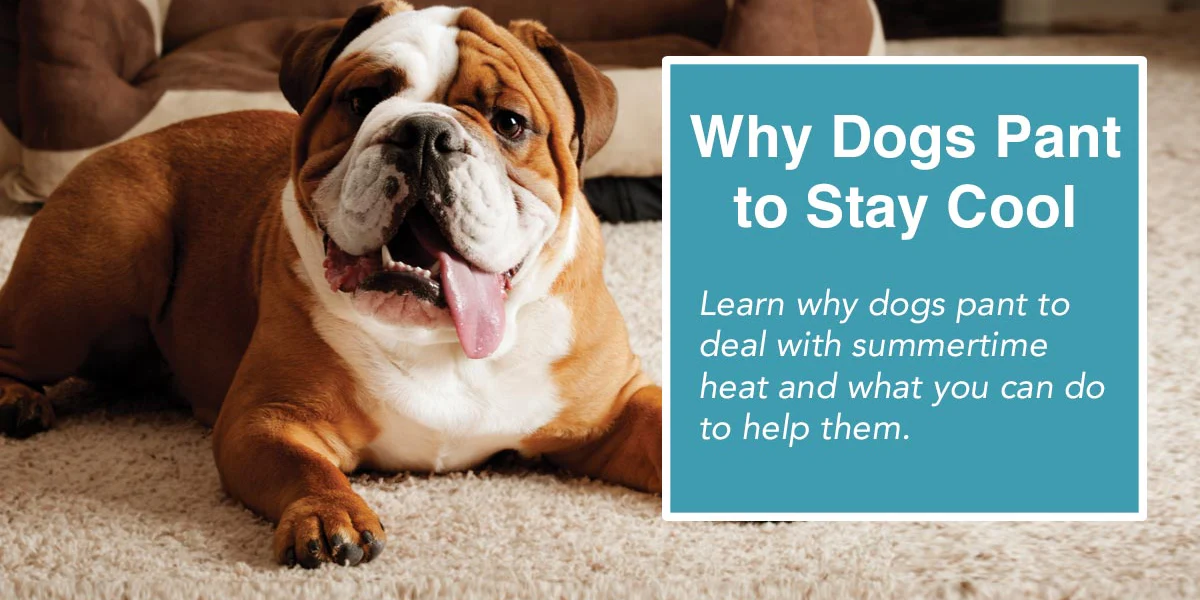
Dogs cool themselves primarily through panting. As moisture evaporates from their tongue and respiratory tract, body heat is released. They have sweat glands in their paw pads, but these contribute very little to overall cooling.
This system works surprisingly well until it doesn't.
High humidity, intense exercise, poor airflow, or prolonged exposure to heat can overwhelm a dog's natural cooling ability. Once panting becomes less effective, body temperature can climb rapidly.
Some breeds face an even greater risk. Flat-faced breeds like Pugs, Bulldogs, Boston Terriers, and Shih Tzus have shortened airways that make efficient panting difficult. Senior dogs, puppies, overweight dogs, and pets with heart or respiratory disease also struggle to stay cool during hot weather.
The takeaway is simple: if your dog relies on panting to cool down, don't wait until they're panting excessively before taking action.
Birds: High Energy Means High Risk
Birds don't have sweat glands.
Instead, they cool themselves by breathing with an open beak, increasing airflow through their respiratory system, and holding their wings slightly away from their body to release excess heat.
Because birds have exceptionally high metabolic rates, they can overheat much faster than many owners realize. A poorly ventilated room, direct sunlight through a window, or an unexpected power outage can cause temperatures around a cage to rise quickly.
One thing I've found especially important is watching behavior, not just temperature. A bird that suddenly becomes quiet, fluffs its feathers in unusual heat, or spends long periods breathing with its beak open is telling you something is wrong.
Early action matters.
Reptiles: Heat Lovers Within Limits
One of the biggest misconceptions is that reptiles can never be too warm.
The truth is more complicated.
Reptiles are ectothermic, meaning they depend on external heat to regulate their body temperature. They need carefully controlled basking areas alongside cooler zones where they can escape excess heat.
During a summer heat wave, however, the entire enclosure can become dangerously hot.
I've measured reptile enclosures during power outages where the cool side almost disappeared because the room itself became too warm. Without a proper thermal gradient, reptiles lose their ability to regulate body temperature through movement.
A healthy enclosure should always provide:
- A species-appropriate basking area.
- A cooler retreat.
- Reliable temperature monitoring on both sides.
- Ventilation that prevents heat from becoming trapped.
Never assume your thermostat or air conditioner alone is protecting your reptile.
Small Mammals: The Most Vulnerable of All
If I worry about one group of pets the most during summer, it's small mammals.
Rabbits and chinchillas are especially sensitive to heat because they cannot cool themselves efficiently. They don't sweat, and unlike dogs, panting isn't an effective cooling method. Once temperatures climb above about 80°F (27°C), the risk of overheating rises sharply, particularly if humidity is also high.
Chinchillas deserve special attention because their incredibly dense fur, perfect for cold mountain climates, works against them in warm weather. Even indoor temperatures that feel comfortable to people can become dangerous.
Guinea pigs face similar challenges, while ferrets are vulnerable because of their thick coats, naturally high activity levels, and lack of sweat glands.
For these pets, prevention is everything.
By the time obvious signs of overheating appear, you're already dealing with an emergency rather than avoiding one.
Veterinary organizations, including the ASPCA and the Michigan State University College of Veterinary Medicine, emphasize that understanding each species' normal cooling mechanisms is one of the most effective ways to prevent heat-related illness before it starts.
The Multi-Species Household Challenge
Caring for one pet during summer is straightforward.
Caring for several different species is an entirely different challenge.
Imagine a home with a Labrador, an African grey parrot, a rabbit, and a bearded dragon. The dog benefits from cool walks at sunrise, the rabbit needs the coolest room in the house, the parrot requires excellent airflow without direct drafts, and the bearded dragon still depends on a carefully managed basking zone.
Those needs don't compete they coexist.
The key is building a home where every pet has its own safe thermal environment rather than trying to maintain one "perfect" temperature for everyone.
That's exactly what the rest of this guide is designed to help you do. We'll look at species-specific danger zones, proven cooling equipment, emergency first aid, travel safety, and practical home setups so every member of your multi-species family can stay safe, even during the hottest weeks of summer.
Species-Specific Temperature & Humidity Danger Zones
When summer temperatures climb, guessing isn't good enough.
Every pet owner I've spoken with after a heat scare says the same thing: "I didn't realize it had gotten that hot." That's why I stopped relying on room thermostats years ago. Instead, I use digital thermometers with probe sensors in every enclosure and check them morning and evening during heat waves. It's one of the simplest habits that can prevent an emergency.
Remember that the temperatures below are general care guidelines for healthy adult pets. Individual species, age, health conditions, enclosure design, humidity, and airflow all influence how well an animal tolerates heat. Veterinary organizations, including the LafeberVet and the Michigan State University College of Veterinary Medicine, recommend monitoring both temperature and humidity, since humidity can significantly reduce an animal's ability to cool itself.
Quick Reference: Summer Temperature & Humidity Guide
| Pet | Safe Temperature | Danger Zone | Ideal Humidity | Species-Specific Notes |
|---|---|---|---|---|
| Dog (Most Breeds) | 65–75°F (18–24°C) | Above 85°F (29°C) | 30–50% | Fresh water, shade, and limited exercise during peak heat. Flat-faced breeds may struggle around 80°F (27°C). |
| Rabbit | 60–70°F (16–21°C) | Above 80°F (27°C) | 40–60% | Keep indoors during heat waves. Frozen water bottles wrapped in towels help provide cooling. |
| Guinea Pig | 65–75°F (18–24°C) | Above 80°F (27°C) | 40–70% | Ceramic tiles and frozen bottles create cool resting spots without increasing humidity. |
| Chinchilla | 60–70°F (16–21°C) | Above 75°F (24°C) | 40–60% | Extremely heat-sensitive. Air conditioning is far more effective than fans. |
| Ferret | 60–70°F (16–21°C) | Above 80°F (27°C) | 40–60% | Provide cool sleeping areas and avoid active play during hot afternoons. |
| Parrots | 65–80°F (18–27°C) | Above 85°F (29°C) | 40–60% | Watch for open-mouth breathing. Light misting may help certain species. |
| Bearded Dragon | 95–105°F Basking 75–85°F Cool Side |
Ambient Above 90°F (32°C) | 30–40% | Maintain a thermal gradient and adjust heating equipment if the room becomes too warm. |
| Leopard Gecko | 88–92°F Warm Side 70–75°F Cool Side |
Ambient Above 85°F (29°C) | 30–40% | Maintain a humid hide while preventing the enclosure from overheating. |
| Corn Snake | 80–85°F Warm Side 70–75°F Cool Side |
Ambient Above 90°F (32°C) | 40–60% | Provide a soaking bowl and monitor temperatures at both enclosure ends. |
| Hedgehog | 72–80°F (22–27°C) | Above 85°F (29°C) | 30–50% | Avoid placing cages near sunny windows. Heat stress develops quickly. |
| Aquatic Turtle | 72–78°F Water 85–90°F Basking |
Water Above 82°F (28°C) | N/A | Warm water holds less oxygen. Monitor water temperature during heat waves. |
Don't Focus Only on Air Temperature
One lesson I learned after caring for a heat-stressed chinchilla is that air temperature tells only part of the story.
Humidity, direct sunlight, poor ventilation, glass enclosures, and nearby appliances can all raise your pet's effective heat load. A reptile enclosure beside a sunny window may become much hotter than the rest of the room, while a rabbit hutch can trap heat even when the outdoor temperature seems manageable.
That's why I recommend monitoring the actual environment your pet lives in, not just the temperature displayed on your home's thermostat.
Heat Waves Require More Frequent Monitoring
When outdoor temperatures enter the danger zone, increase your monitoring routine.
- Check every enclosure first thing in the morning.
- Check again during the hottest part of the afternoon.
- Perform one final check before bedtime.
- Verify both temperature and humidity after any power outage or air-conditioning failure.
- Never assume yesterday's settings are still safe today.
A five-minute inspection can prevent a life-threatening emergency.
Expert Tips
Top 10 Summer Heat Safety Tips for Dogs
The safest summer routines aren't built during a heat emergency they're built before one happens.
After testing cooling gear on hikes, adjusting walking schedules through multiple heat waves, and speaking with veterinarians about heat-related emergencies, one pattern stands out: dogs rarely develop severe overheating from a single mistake. It's usually several small decisions that add up a late-afternoon walk, warm pavement, limited shade, and not enough water.
These ten strategies consistently make the biggest difference.
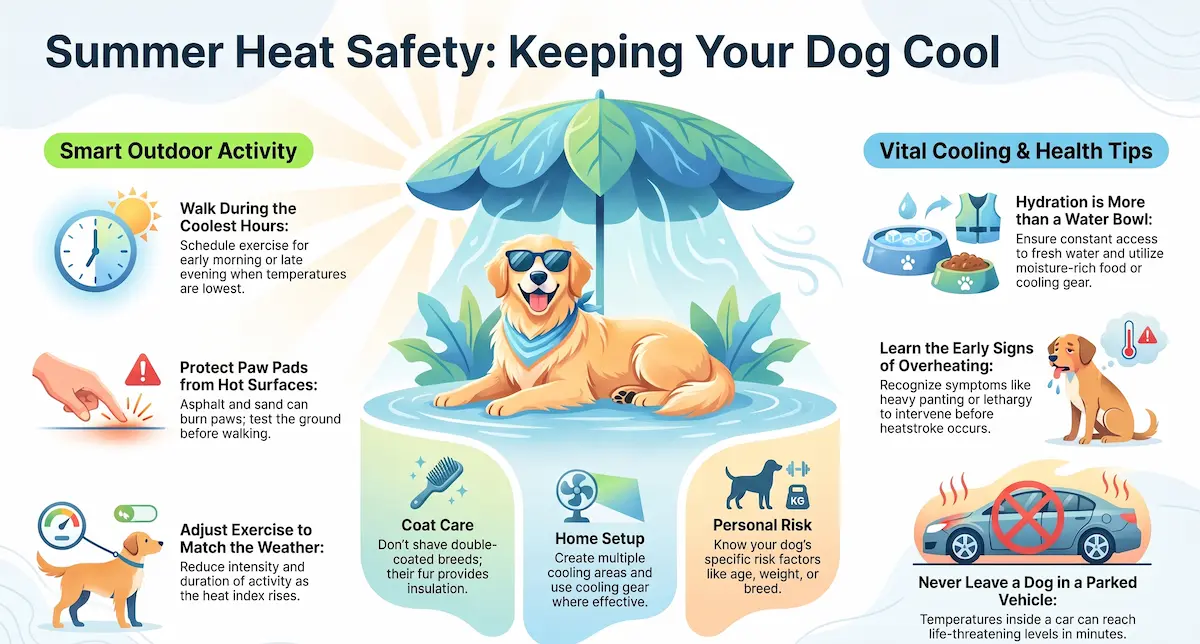
1. Walk During the Coolest Hours of the Day
Timing matters as much as distance.
Whenever possible, walk your dog before 10:00 a.m. or after 4:00 p.m. Early morning is usually the safest option because both the air and the ground have had time to cool overnight.
Avoid strenuous walks during the hottest part of the day, even if your dog seems eager to go outside.
Quick pavement test: Place the back of your hand on the pavement for five seconds. If you can't comfortably keep it there, it's too hot for your dog's paws.
Grass, shaded trails, and natural surfaces are almost always safer than asphalt or concrete.
2. Hydration Means More Than Filling a Water Bowl
A full water bowl at home isn't enough if you're spending time outdoors.
Always carry fresh drinking water on walks, hikes, or trips to the park. I've found that dogs drink more often when water is offered every 15–20 minutes instead of waiting until they appear thirsty.
Simple ways to improve hydration include:
- Bring a portable dog water bottle with an attached drinking bowl.
- Refill with cool not ice-cold water.
- Refresh indoor water bowls several times each day.
- Add a few ice cubes during very hot weather, but discourage aggressive chewing that could damage teeth.
For longer adventures, a leak-proof water bottle with a built-in bowl is one of the most useful pieces of summer gear you can carry.
3. Never Leave a Dog in a Parked Vehicle
This rule has no exceptions.
Even with the windows cracked open, temperatures inside a parked vehicle can climb to life-threatening levels within minutes.
Running into a store "for just a minute" is never worth the risk.
If your dog can't safely accompany you, leave them at home in a cool environment instead.
4. Learn the Early Signs of Overheating
Most dogs show warning signs before collapsing.
Recognizing those early changes gives you the best chance to prevent a medical emergency.
Watch for:
- Heavy or unusually rapid panting.
- Thick drooling.
- Bright red or very pale gums.
- Slowing down or refusing to walk.
- Weakness or wobbling.
- Vomiting or diarrhea.
- Confusion or collapse.
Don't wait for symptoms to become severe.
If your dog's cooling efforts aren't working, move them to a cooler location immediately and contact your veterinarian. Organizations such as the ASPCA also recommend treating excessive panting and weakness during hot weather as potential warning signs rather than waiting for collapse.
5. Use Cooling Gear Where It Actually Helps
Cooling products aren't magic, but the right ones can noticeably reduce heat buildup.
From my own testing, different products serve different purposes:
- Cooling vests help active dogs stay comfortable during walks, hikes, and outdoor activities.
- Cooling mats provide passive relief indoors between outings.
- Portable fans improve air circulation in shaded rest areas but should never replace proper cooling or hydration.
Think of cooling gear as another layer of protection, not a substitute for avoiding dangerous heat.
We'll cover the best options in the product roundup later in this guide.
6. Create Multiple Cooling Areas Around Your Home
Dogs naturally move to the coolest place available.
Give them choices.
Indoors, consider providing:
- A cooling mat.
- Access to tile or hardwood floors.
- Good airflow from ceiling or room fans.
- Air-conditioned resting areas whenever possible.
Outside, make sure your dog always has:
- Dense shade throughout the day.
- Plenty of fresh drinking water.
- A shallow splash pool if they enjoy water.
- A well-ventilated resting spot that's never exposed to full afternoon sun.
One cooling area is good.
Several options are even better.
7. Don't Shave Double-Coated Breeds
This is one of the most common summer myths.
Owners often assume removing thick fur will keep dogs cooler, but that's not how double coats work.
Breeds such as Siberian Huskies, Golden Retrievers, Australian Shepherds, and Pomeranians use their double coat as insulation against both cold and heat.
Shaving that protective coat can:
- Increase the risk of sunburn.
- Reduce natural insulation.
- Interfere with healthy coat regrowth.
Instead, brush regularly to remove loose undercoat and improve airflow through the coat.
8. Adjust Exercise to Match the Weather
Summer isn't the season for pushing physical limits.
Replace long runs with shorter walks, gentle games, scent work, or indoor enrichment activities when temperatures rise.
If your dog enjoys swimming and you're using a safe, clean body of water or a supervised pool, swimming provides excellent exercise with far less risk of overheating than running on hot pavement.
The goal is keeping your dog active without forcing them to fight the weather.
9. Protect Paw Pads From Hot Surfaces
Heat injuries don't stop at overheating.
Paw pads can burn surprisingly quickly on asphalt, concrete, artificial turf, and even some wooden decks exposed to direct sunlight.
If walking on warm surfaces is unavoidable:
- Use protective dog booties that fit properly.
- Apply paw wax before heading outside.
- Stay in shaded areas whenever possible.
- Inspect each paw after returning home for redness, blisters, or tenderness.
A short walk on hot pavement can lead to days of painful recovery.
0. Know Your Dog's Personal Risk Factors
No two dogs respond to heat the same way.
Some require far more caution than others.
Dogs at higher risk include:
- Flat-faced breeds such as Pugs, Bulldogs, and French Bulldogs.
- Puppies.
- Senior dogs.
- Overweight dogs.
- Dogs with heart or respiratory disease.
- Dogs recovering from illness.
- Thick-coated breeds exercising in humid conditions.
Your summer routine should match your dog's individual risk, not what works for someone else's pet.
A healthy young Border Collie and an older Bulldog may be standing in the same park, but they are not facing the same level of danger.
Small adjustments changing walk times, carrying extra water, using appropriate cooling gear, and recognizing early warning signs can dramatically reduce the chances of a heat-related emergency.
Exotic Pet Heat Safety: Enclosure Setup, Monitoring, and Emergency Cooling
Exotic pets don't choose a cooler room when they get too warm.
They can't open a window, move a cage, or switch off a heat lamp.
Their safety depends entirely on the environment you create.
One of the biggest lessons I learned after caring for a heat-stressed chinchilla is that by the time an exotic pet looks distressed, the enclosure has often been too hot for much longer than you realized. That's why I now focus less on reacting to symptoms and more on preventing the enclosure from ever reaching the danger zone.
Start With the Enclosure, Not the Pet
The safest cooling strategy begins long before your pet shows signs of overheating.
Walk through your home and ask yourself one question:
If the power failed right now, which enclosures would heat up first?
You'll often find hidden risks, including:
- Windows that receive afternoon sun.
- Rooms with poor ventilation.
- Kitchens where appliances add extra heat.
- Glass enclosures exposed to direct sunlight.
- Upper floors that stay noticeably warmer than the rest of the house.
Whenever possible:
- Move enclosures away from windows and direct sunlight.
- Keep them away from ovens, dryers, televisions, and other heat-producing appliances.
- Leave enough space around cages and terrariums for air to circulate.
- Close blinds or curtains before the hottest part of the day.
Sometimes moving an enclosure just a few feet away from a sunny window can lower temperatures significantly.
Improve Ventilation Without Creating Drafts
Fresh airflow helps prevent heat from building up, but blowing air directly onto every exotic pet isn't the answer.
Different species respond differently to moving air.
For birds, I use a room fan to keep air circulating without pointing it directly at the cage. Constant drafts can irritate their sensitive respiratory system.
The same principle applies to chinchillas. Their dense fur traps moisture easily, so a fan blowing directly onto them may create damp conditions that increase the risk of skin and fungal problems rather than safely cooling them.
A better approach is to:
- Use ceiling or room fans to circulate air throughout the room.
- Position small clip-on fans near but not directly facing enclosures.
- Keep airflow gentle and consistent.
- Maintain good overall ventilation without creating strong drafts.
Think of the goal as cooling the room, not blowing directly on the animal.
Monitor Every Enclosure With Digital Sensors
If I could recommend only one summer upgrade for exotic pet owners, this would be it.
Install a digital thermometer and hygrometer in every enclosure.
Don't rely on the thermostat across the room.
Glass tanks, hutches, bird cages, and small animal habitats often have temperatures several degrees different from the surrounding air.
During hot weather I check each enclosure:
- Early in the morning.
- Mid-afternoon, when outdoor temperatures peak.
- Before bedtime.
- Immediately after any power interruption.
Wi-Fi-enabled monitors can be especially valuable because they alert you if temperatures or humidity move outside your chosen limits. That extra warning time can make a tremendous difference during unexpected equipment failures or summer power outages.
Cooling Strategies for Small Mammals
Rabbits, guinea pigs, chinchillas, and ferrets are among the least heat-tolerant companion animals.
Preventing overheating is far easier than treating it.
Frozen Water Bottle Method
This remains one of the safest and most effective cooling techniques I've used.
- Fill a sturdy plastic bottle with water.
- Freeze it completely.
- Wrap it in a thin towel.
- Place it inside the enclosure.
Your pet can move toward it when they want to cool down and away when they don't.
Replace the bottle as it thaws.
Never force the animal to stay beside the cooling source.
Chilled Ceramic Tiles
Ceramic tiles retain cool temperatures surprisingly well.
Place one in the refrigerator for about an hour before adding it to the enclosure.
Many rabbits, guinea pigs, and ferrets naturally stretch out on the cool surface during warm afternoons.
Avoid Sudden Temperature Extremes
Don't place loose ice directly against your pet.
Avoid ice baths or pouring very cold water over overheated animals unless specifically instructed by a veterinarian.
Gradual cooling is safer than rapid cooling.
Extra Care for Chinchillas
Chinchillas deserve special attention.
Their dense fur makes them exceptionally vulnerable to overheating, while direct airflow can trap moisture close to the skin.
Instead of relying on fans:
- Keep the room air-conditioned whenever possible.
- Use frozen bottles for passive cooling.
- Monitor room temperature closely.
- Reduce activity during heat waves.
Veterinary guidance consistently identifies chinchillas as one of the most heat-sensitive companion mammals.
Cooling Strategies for Birds
Birds often hide illness remarkably well.
That's why recognizing subtle behavioral changes is so important.
Gentle Misting
Many parrots and companion birds appreciate a light mist with room-temperature water.
Avoid cold water, which may cause unnecessary stress.
Allow feathers to dry naturally in a well-ventilated room afterward.
Offer Bathing Opportunities
A shallow bathing dish gives many birds the chance to cool themselves naturally.
Some species prefer frequent bathing during warm weather and will happily splash several times each day.
Watch for Early Warning Signs
Move your bird to a cooler location immediately if you notice:
- Open-mouth breathing.
- Wings held away from the body.
- Unusual lethargy.
- Reduced activity.
- Loss of balance.
These early signs should never be ignored.
Cooling Strategies for Reptiles
Reptiles need warmth.
They do not need constant heat.
During summer, many indoor enclosures receive enough ambient warmth that additional heating equipment may become unnecessary during daylight hours.
Adjust Heating Equipment
If the room itself reaches your reptile's recommended temperature range:
- Switch off basking lamps when appropriate.
- Turn off heat mats if enclosure temperatures remain safe.
- Continue monitoring with accurate digital probes.
For species that require nighttime warmth, ceramic heat emitters are often preferable because they provide heat without additional light.
Protect the Thermal Gradient
Every reptile enclosure should include:
- A warm basking area.
- A cooler retreat.
- A hide on the cool side.
- Accurate temperature monitoring at both ends.
Without a thermal gradient, reptiles lose the ability to regulate their own body temperature through movement.
Manage Moisture Carefully
Humidity needs vary greatly.
For tropical species:
- Light misting may help maintain hydration.
- Offer shallow soaking opportunities where appropriate.
For desert species:
- Avoid dramatically increasing enclosure humidity.
- If needed, lightly mist only the cooler side without soaking the habitat.
For bearded dragons in particular, if room temperatures rise above 85°F (29°C), reassess all heating equipment immediately. In many homes, the surrounding air alone provides sufficient warmth during extreme summer weather.
Best Cooling Gear for Dogs in 2026: Vet-Tested Product Roundup
Cooling gear can absolutely help.
It just isn't a substitute for common sense.
Over the past few summers, I've tested cooling products during long walks, outdoor events, and hikes in temperatures above 90°F (32°C). Some noticeably reduced panting and helped dogs stay comfortable longer. Others looked impressive in photos but offered very little real-world benefit.
The products below were selected using four criteria:
- Safety and build quality.
- Cooling effectiveness in real-world conditions.
- Veterinary recommendations or alignment with accepted cooling practices.
- Consistently positive feedback from long-term owners.
Whenever possible, I've also compared manufacturer claims with field reports from experienced dog owners and veterinary guidance.
Important: No cooling product can make it safe to exercise a dog in dangerous heat. Shade, hydration, proper timing, and supervision always come first.
Best Cooling Vest
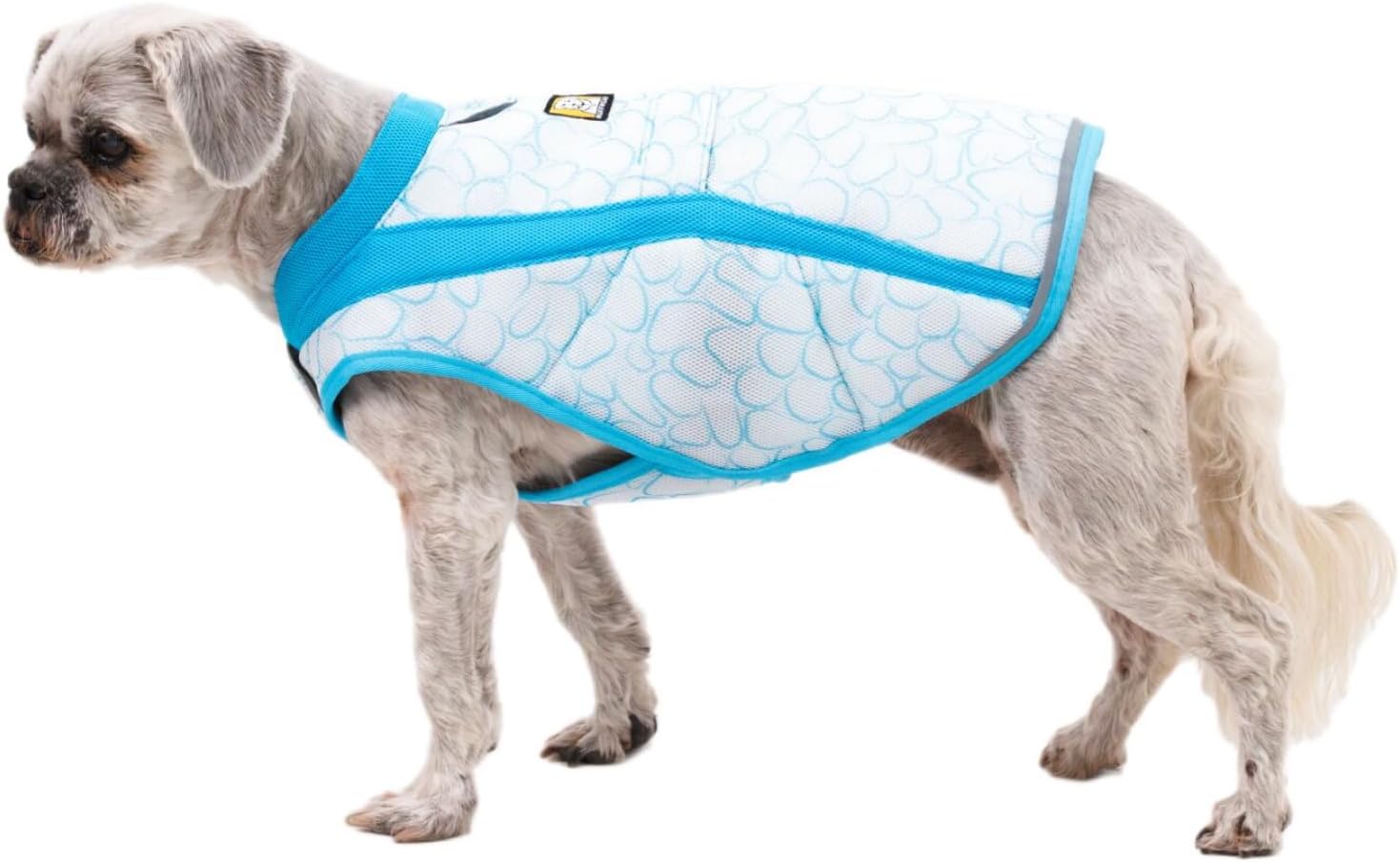
Ruffwear Swamp Cooler Cooling Dog Vest
This remains one of the most consistently recommended cooling vests for active dogs.
Instead of using ice packs or gel inserts, it relies on evaporative cooling. You simply soak the vest in water, wring out the excess, and put it on your dog. As the water evaporates, it helps pull heat away from the body while also providing shade from direct sunlight.
How we evaluated it
I compared its design with veterinary recommendations for evaporative cooling and reviewed long-term owner experiences from hiking, backpacking, and hot-weather use. Owners consistently reported reduced panting and improved comfort during outdoor activities, although nearly everyone agreed it needs periodic re-wetting to remain effective.
Pros
- Lightweight and comfortable.
- Easy to put on and remove.
- Reflective trim improves visibility.
- Machine washable.
- Provides both shade and evaporative cooling.
- Works well for hiking and outdoor adventures.
Cons
- Less effective in very humid climates.
- Must be re-wetted during extended outings.
- Doesn't replace frequent water breaks.
Best Cooling Mat
The Green Pet Shop Cooling Pad
For indoor cooling, this is still one of the simplest products to recommend.
The pressure-activated cooling gel works without refrigeration, batteries, or electricity. After a short period without use, the pad gradually recharges itself.
How we evaluated it
I compared its passive cooling design with similar mats and reviewed owner feedback from households with senior dogs, flat-faced breeds, and crate-trained pets. The biggest advantage is convenience you don't have to remember to freeze it before every use.
Pros
- No electricity required.
- Ready to use anytime.
- Easy to wipe clean.
- Portable.
- Fits well inside many crates.
Cons
- Not suitable for heavy chewers.
- Cooling effect decreases if left in direct sunlight.
- Eventually warms with continuous use before recharging.
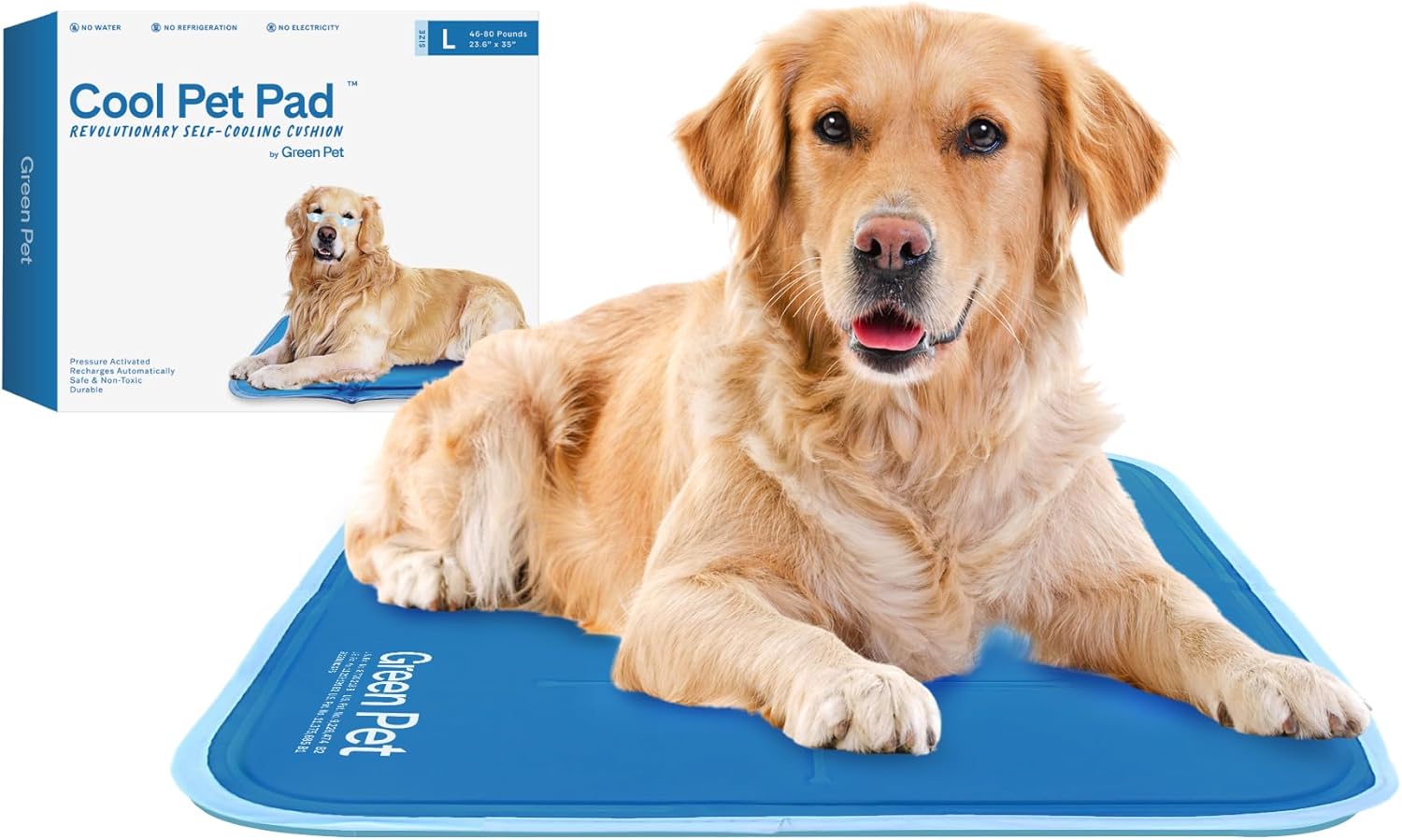
The Green Pet Shop Cool Pet Pad
Best Portable Airflow Solution
Portable Rechargeable Clip-On Fan
A portable fan doesn't cool your dog by itself.
It simply moves air.
That may sound unimpressive, but improving airflow around a shaded resting area often makes a noticeable difference, especially during travel or outdoor events.
Pros
- USB rechargeable.
- Quiet operation.
- Multiple speed settings.
- Easy to clip onto crates or strollers.
Cons
- Doesn't lower body temperature on its own.
- Should always be paired with shade and hydration.
- Never rely on it inside a parked vehicle.
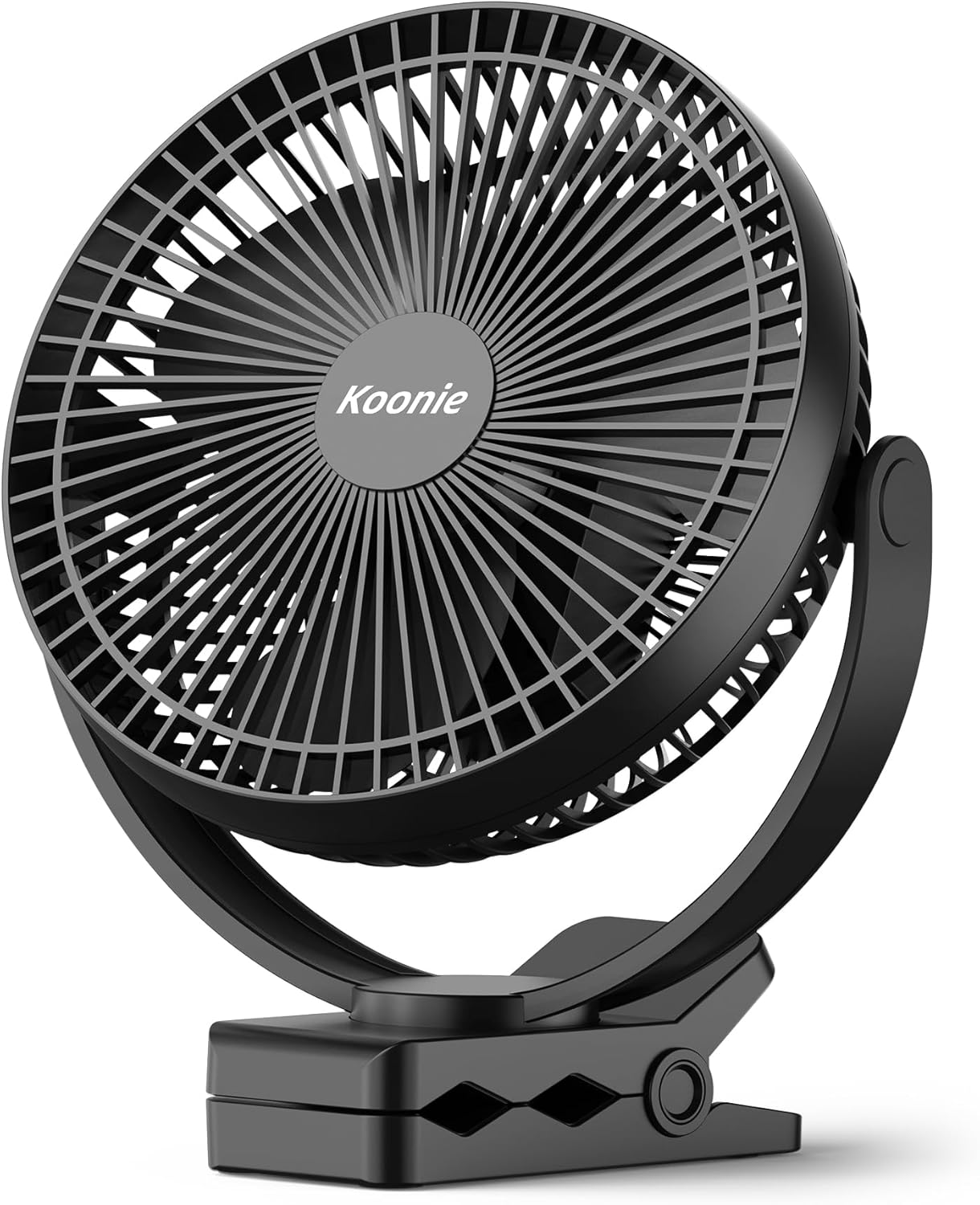
Koonie 8" Clip on Fan,
Best Cooling Tool for Birds and Reptiles
Fine-Mist Spray Bottle
Sometimes the simplest tools are the most useful.
A dedicated fine-mist bottle filled with room-temperature water is ideal for:
- Lightly misting compatible companion birds.
- Maintaining humidity for tropical reptiles.
- Supporting enclosure cooling where appropriate.
Label the bottle clearly so it is never used with household cleaners.
Avoid using cold water.
Best Monitoring Device
Govee Wi-Fi Thermometer Hygrometer
If I had to recommend only one purchase for owners of exotic pets, this would probably be it.
Cooling products only help if you know when they're needed.
A digital thermometer/hygrometer lets you monitor both temperature and humidity in real time, while Wi-Fi models can send alerts if conditions move outside your chosen range.
Pros
- Continuous monitoring.
- Temperature and humidity tracking.
- Smartphone notifications.
- Excellent for reptile enclosures and small mammal habitats.
Cons
- Doesn't lower body temperature on its own.
- Should always be paired with shade and hydration.
- Never rely on it inside a parked vehicle.
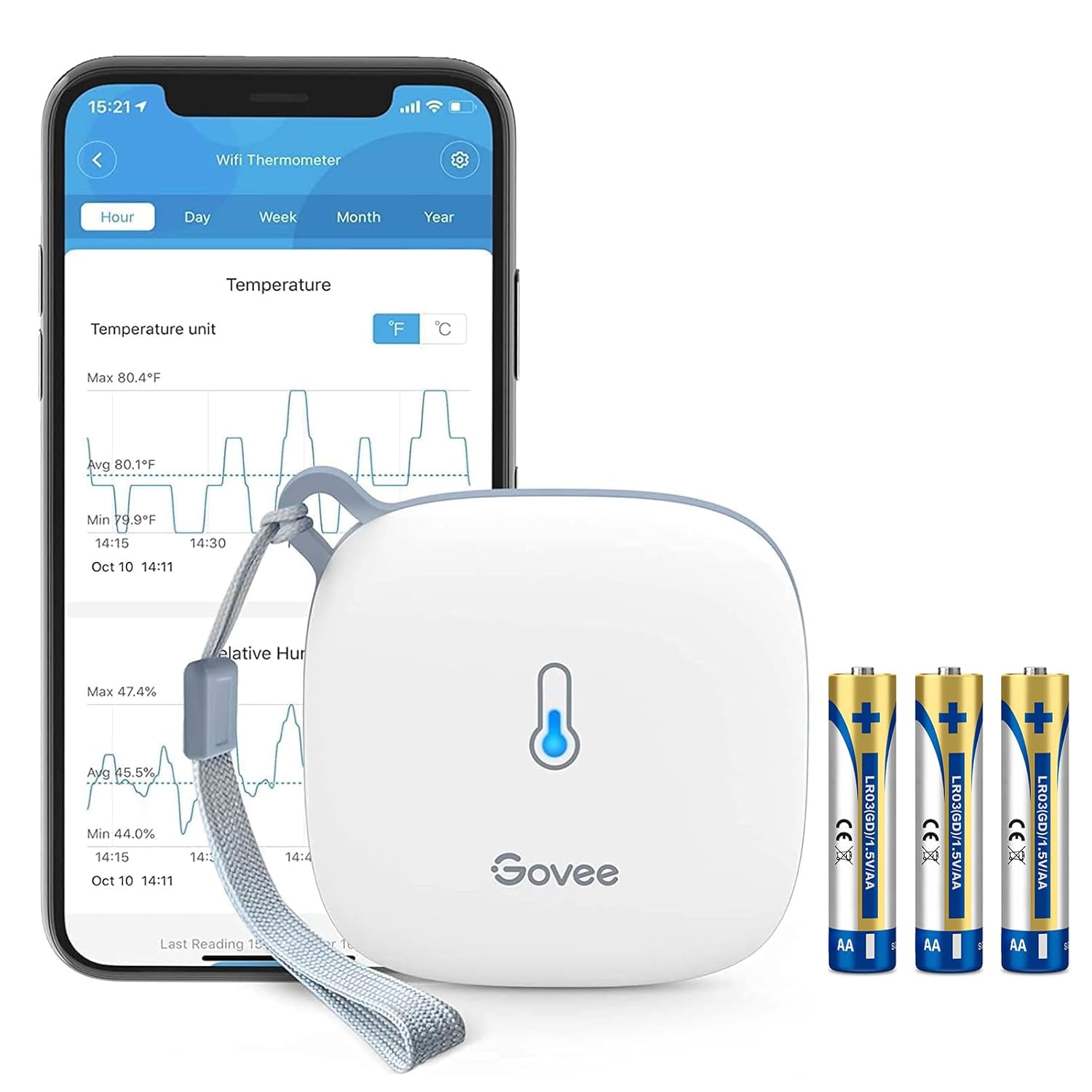
Which Product Is Right for Your Pet?
Keeps active dogs cooler during hiking, camping, and outdoor adventures while reducing the risk of overheating.
Perfect for neighborhood walks, offering lightweight evaporative cooling and everyday comfort.
A pressure-activated cooling mat that works without electricity or refrigeration for indoor use.
An ideal combination for picnics, sports events, camping, and travel on hot summer days.
Provides gentle cooling and helps maintain proper humidity for birds and many reptiles.
Monitor temperature and humidity remotely to keep reptile and exotic pet habitats within safe ranges.
Heatstroke First Aid: Step-by-Step Emergency Protocol for Dogs and Exotic Pets
Heatstroke is one of the few pet emergencies where every minute matters.
I've spoken with emergency veterinarians who all emphasize the same point: the outcome often depends on what happens before the pet reaches the clinic. Quick, appropriate cooling can save a life. The wrong approach such as using ice water or delaying veterinary care can make the situation worse.
This protocol follows current veterinary emergency recommendations and is designed for both dogs and exotic pets.
Important: If you suspect heatstroke, begin first aid immediately while arranging emergency veterinary care. First aid is not a replacement for professional treatment.
Step 1: Recognize the Warning Signs
Every species shows overheating differently.
Learning those differences can help you act before the situation becomes critical.
Dogs
Watch for:
- Excessive or frantic panting.
- Heavy drooling.
- Bright red, dark red, or very pale gums.
- Vomiting or diarrhea.
- Weakness or staggering.
- Collapse.
- Seizures.
- Loss of consciousness.
Birds
Birds often hide illness until they become seriously sick.
Early warning signs include:
- Open-mouth breathing.
- Wings held away from the body.
- Weakness.
- Sitting low on the perch.
- Falling from the perch.
- Tremors or convulsions.
Rabbits and Other Small Mammals
Heat stress can progress rapidly in rabbits, guinea pigs, chinchillas, and ferrets.
Watch for:
- Rapid, shallow breathing.
- Wetness around the nose or mouth.
- Extreme lethargy.
- Stretching out unusually flat.
- Difficulty moving.
- Unresponsiveness.
Reptiles
Although reptiles require warmth, they can still overheat.
Signs may include:
- Persistent gaping.
- Restless or frantic movement.
- Muscle tremors.
- Severe lethargy.
- Inability to right themselves after being turned over.
Veterinary resources from the ASPCA and LafeberVet emphasize that these signs should always be treated as medical emergencies rather than "waiting to see if they improve."
Step 2: Move Your Pet to a Cooler Environment
Don't waste time deciding what caused the overheating.
Move your pet immediately.
The ideal location is:
- An air-conditioned room.
- A shaded indoor area.
- A cool, well-ventilated room away from direct sunlight.
If you're outdoors, get your pet out of the sun first.
Cooling becomes much more effective once they're no longer exposed to direct heat.
Step 3: Begin Gradual Cooling
This is where many owners accidentally make the wrong decision.
Avoid using ice baths, ice packs directly against the body, or ice-cold water.
Sudden extreme cooling can constrict blood vessels, making it harder for heat to leave the body. It may also increase stress in an already unstable patient.
Instead, cool the pet gradually using room-temperature or slightly cool water.
The goal is controlled cooling not rapid chilling.
Step 4: Follow Species-Specific First Aid
Dogs
If your dog is awake and able to swallow:
- Offer small amounts of cool (not cold) drinking water.
- Wet the body with room-temperature water.
- Focus on the belly, groin, paw pads, and inner thighs.
- Use a fan nearby to improve evaporative cooling.
- Keep the dog calm and avoid unnecessary movement.
Don't encourage drinking large amounts all at once.
Small sips are safer.
Birds
For birds:
- Move the cage or carrier into a cool room.
- Lightly mist feathers with room-temperature water.
- Improve room ventilation without blowing air directly onto the bird.
- Reduce stress by limiting handling.
Do not soak the bird or place it under running water.
Rabbits, Chinchillas, Guinea Pigs, and Ferrets
These species require particularly gentle cooling.
- Wrap the animal loosely in a cool, damp towel.
- Keep the towel moist but not dripping.
- Improve airflow around the room rather than directing a fan at the pet.
- If fully conscious and able to swallow, encourage drinking or carefully offer small amounts of water.
Never force liquids into an unconscious animal.
Reptiles
For reptiles:
- Move the enclosure—or the reptile itself—to a cooler location.
- Turn off unnecessary heating equipment if enclosure temperatures are already safe.
- Lightly mist species that tolerate misting.
- Place the reptile on a cool, damp towel if appropriate.
Avoid immersing reptiles in cold water.
Rapid temperature changes can cause additional physiological stress.
Step 5: Check Body Temperature if Possible
A digital thermometer can provide valuable information during a heat emergency.
For dogs:
- Normal body temperature is approximately 100–102.5°F (37.8–39.2°C).
If the temperature is elevated, continue gradual cooling until it reaches approximately 103°F (39.4°C), then stop active cooling.
Continuing beyond that point increases the risk of lowering body temperature too far.
For exotic pets, normal temperatures vary considerably between species, so it's helpful to know your veterinarian's recommended range before an emergency ever occurs.
Step 6: Go to the Veterinarian Immediately
This step is non-negotiable.
Even if your pet appears completely recovered, heatstroke can continue damaging:
- The brain.
- Kidneys.
- Liver.
- Heart.
- Blood-clotting system.
Some complications don't appear until hours later.
Call the veterinary clinic while you're on the way so the medical team can prepare oxygen, cooling equipment, intravenous fluids, and emergency medications before you arrive.
Frequently Asked Questions About Pet Heat Safety
Downloadable Summer Pet Safety Checklist
Author & Medical Review

Muhammad Arshad
Content Creator
