
Are Capybaras Legal in California? The Definitive Guide to Exotic Pet Laws and Ownership Insights
March 17, 2026
Capybara vs. Nutria: The Ultimate Guide to Telling Them Apart (And Why It Matters)
March 27, 2026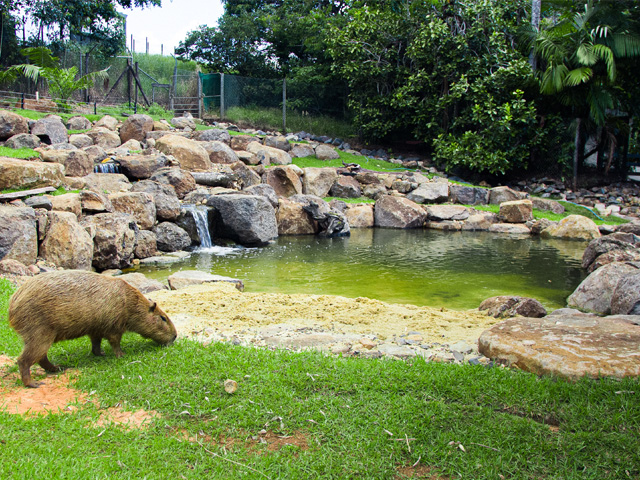
The Allure of the World’s Largest Rodent: More Than Just a Cute Face
You’ve probably seen them — calmly soaking in hot springs, lounging beside other animals, or gently interacting with humans. Capybaras have taken over social media for a reason. They appear relaxed, friendly, and almost too perfect as pets.
But here’s the part most people don’t see.
Behind those viral moments is a reality that many first-time owners aren’t prepared for — one that involves serious financial responsibility, long-term commitment, and complex care requirements. What starts as fascination can quickly turn into stress when the true demands of capybara ownership become clear.
Why This Matters More Than You Think
Owning a capybara isn’t like bringing home a cat or dog. It’s closer to caring for a small exotic livestock animal with very specific environmental, social, and dietary needs.
They require large outdoor spaces and water access
They are highly social animals (often needing companions)
They can live 8–12 years or more, making this a long-term responsibility
And most importantly — their care is expensive and ongoing, not just a one-time cost
Many people enter this journey focusing only on the purchase price, only to realize later that the real costs stack up quickly — financially, emotionally, and ethically.
What This Guide Will Help You Do
This guide is designed to give you complete clarity before you commit. Not just numbers — but real-world understanding.
By the end, you’ll have:
A transparent breakdown of initial and ongoing costs
Insight into legal restrictions and requirements
A clear view of the daily lifestyle commitment
An honest look at the ethical responsibility of owning an exotic animal
Most importantly, you’ll be able to answer one critical question:
👉 “Is owning a capybara truly right for me — not just emotionally, but practically?”
Because when it comes to capybaras, the goal isn’t just ownership —
it’s responsible, informed care that ensures a good life for both you and the animal.
| Key Aspect | Description | Initial Cost (Est.) | Annual Cost (Est.) |
| Capybara Purchase | Acquisition from breeder or rescue | $1,000 – $3,500 | N/A |
| One-Time Setup | Enclosure, pond, shelter, initial supplies | $2,000 – $10,000+ | N/A |
| Ongoing Care | Food, vet care, enrichment, maintenance | N/A | $3,000 – $8,000+ |
| Legal & Permits | Licensing, inspections (varies by region) | $0 – $500+ | $0 – $200+ |
| Total Estimated | Full ownership overview | $3,000 – $13,500+ | $3,000 – $8,000+ |
What These Numbers Really Mean
At first glance, this might look manageable — especially compared to other exotic pets. But here’s where many people misjudge the situation:
- The initial setup can easily exceed expectations, especially if you’re building a proper habitat with water access
- The annual cost is not optional — it’s the minimum required for proper care
- Unexpected expenses (emergency vet care, repairs, upgrades) are not included here
👉 In reality, many owners end up spending significantly more than these estimates over time.
⚠️ A Quick Reality Check
If you’re thinking:
“I can afford the purchase price, so I should be fine”
That’s exactly where most people go wrong.
The purchase is the smallest part of the commitment. The real responsibility begins after that — and it continues every single year for nearly a decade.
Initial Purchase Price: What to Expect
Understanding the Cost of Acquiring a Capybara
- For many prospective owners, the first surprise comes before the capybara even arrives home: the purchase price itself. These are not low-cost exotic pets, and the reasons go far beyond simple popularity. A capybara’s upfront cost reflects availability, breeder standards, transport logistics, and the level of care provided before the animal is placed with a new owner.
- Why Capybaras Are Not Cheap Pets
- Capybaras may look calm and uncomplicated, but acquiring one responsibly is rarely inexpensive. Because they are exotic animals with specialized care needs, they are bred by a relatively small number of facilities compared with common pets like dogs or cats. That limited supply, combined with growing demand driven by viral videos and social media attention, often pushes prices higher.
- And in many cases, the price tag is only the beginning. A low-cost capybara can sometimes signal bigger problems later, including poor socialization, weak health, improper paperwork, or animals raised in conditions that do not prioritize welfare. That is why the cheapest option is often not the most affordable in the long run.
- Factors That Influence the Purchase Price
- Several things can affect what you pay for a capybara.
- Age is one of the biggest factors. Juveniles often cost more because many buyers prefer to raise a younger animal from the beginning. Younger capybaras are usually seen as easier to bond with and more adaptable to new environments, which increases demand.
- Breeder reputation and ethics also play a major role. A reputable breeder will usually charge more, but that higher price often reflects better care standards, proper feeding, early socialization, health monitoring, and more transparent practices. This is one of the most important areas where cutting corners can backfire.
- Geographic location matters as well. If reputable breeders are far from where you live, transport costs can add a significant amount to the final price. In some areas, there may be very few legal or ethical options available, which can make acquisition even more expensive.
- Rarity and availability can also drive pricing. In regions where capybara ownership is uncommon or tightly regulated, finding one through legitimate channels may be difficult. When demand rises faster than responsible supply, prices usually increase.
- Health guarantees and veterinary checks are another important cost factor. Responsible breeders often include initial wellness screenings, basic veterinary documentation, and health guarantees. While this may raise the purchase price, it can also reduce the risk of major medical or behavioral problems later.
- What to Look for in a Good Breeder
- If you choose to buy from a breeder, the goal should not be just to find a capybara. It should be to find a breeder who treats the animal’s welfare as the top priority.
- A good breeder should be willing to explain how the capybara was raised, what it has been fed, whether it has been socialized properly, and what veterinary care it has already received. They should also be open about legal requirements, answer questions clearly, and never pressure you into a quick purchase.
- Some positive signs include:
- clear records of health checks
- transparent answers about the animal’s background
- clean, humane living conditions
- realistic discussion of capybara care challenges
- willingness to refuse a sale if the setup is unsuitable
- That last point matters more than many buyers realize. Ethical breeders are usually selective. They care where the animal is going.
- Comparing Acquisition Methods
- There is no single way to acquire a capybara, and each path comes with different costs, benefits, and risks.
- Reputable Breeder
- This is often the most expensive route, but usually the most predictable. Buyers may pay more upfront, yet they are also more likely to receive an animal with known history, better early care, and some level of health documentation. For first-time owners, this can reduce uncertainty and lower the chance of expensive surprises.
- Exotic Animal Rescue or Sanctuary
- Adoption fees are often lower than breeder prices, which can make rescue seem more affordable. However, rescues may have strict application requirements, habitat inspections, or expectations around experience and long-term care. Some rescued capybaras may also come with medical or behavioral issues that require extra time and money. The lower adoption fee does not always mean lower total cost.
- Private Sellers
- This is usually the riskiest option. While private listings may appear cheaper, they can come with serious concerns: unclear legal status, missing health records, poor socialization, questionable living conditions, or inaccurate information about age and temperament. In some cases, what looks like a bargain can quickly turn into a much larger financial and ethical problem.
- The Smarter Way to Evaluate Price
- When comparing options, the key question is not just, “How much does this capybara cost?” It is, “What level of risk, care, and responsibility comes with this price?”
- Paying more for a healthy, well-raised animal from a transparent source may save you thousands in veterinary care, behavioral management, and preventable problems later. More importantly, it supports responsible practices instead of rewarding careless or exploitative breeding.
- In practical terms, the purchase price should be viewed as an investment in the animal’s long-term well-being, not just an entry fee into ownership.
Price Factors That Shape What You’ll Pay
While capybara listings often get summarized as “around $1,000 to $3,000,” the real picture is a little more nuanced. Recent pet-care and breeder-style sources commonly place a single capybara in roughly the $1,000–$3,000 range, while some newer U.S.-focused sources and breeder listings push that up to $1,500–$5,000+ for well-raised animals from reputable programs. A current breeder FAQ I found lists $2,500 each as its own asking price, which shows how much the market can vary by source and standards.
That is exactly why readers should treat any price range as a planning estimate, not a guarantee. The final cost depends on age, source, location, health documentation, and whether the seller is simply moving animals quickly or actually investing in proper welfare and early care.
Estimated Cost Factors Table
| Factor | Description / Impact on Cost | Estimated Cost Range |
| Age of Capybara | Younger capybaras, especially babies and juveniles, are usually in higher demand and often cost more than older animals. Recent sources place babies/young capybaras around the mid-to-upper end of the market. | $1,500 – $3,500 |
| Breeder Reputation | Ethical, experienced breeders who provide better husbandry, socialization, health checks, and transparent records often charge more. In return, buyers usually get lower risk and better support. | $1,500 – $3,000+ |
| Geographic Location | Price can rise based on breeder scarcity, state laws, permit requirements, and transport or specialized delivery costs. | Varies widely by location |
| Health & Temperament | Animals sold with documented wellness checks, stable temperament, or more handling/socialization may be priced at a premium. | $1,000 – $3,500+ |
| Acquisition Method | Rescue adoption is sometimes lower-cost than breeder purchase, but availability is limited and requirements may be stricter. | Rescue: $500 – $1,500 |
How to Interpret These Numbers Responsibly
These ranges are realistic as a working estimate, but readers should understand that the lower end usually reflects either older figures, limited local supply, or animals sold with fewer assurances. The higher end is more common when the capybara comes from a source that includes stronger health documentation, more socialization, or simply operates in a region where legal and transport costs are higher.
That means a “cheap” capybara is not automatically a better deal. In practice, paying more upfront for a healthy, well-raised animal can reduce the odds of expensive veterinary issues, behavioral problems, or legal complications later.
What Readers Should Ask Before Paying
Before committing to any seller, readers should compare multiple breeders or rescues and ask exactly what is included in the price. At minimum, they should confirm whether the capybara has had a recent health check, whether any veterinary paperwork is provided, and whether the seller includes guidance on diet, housing, and legal compliance. Reputable guidance consistently recommends buying only from transparent breeders and avoiding sellers with unclear health records.
It is also smart to ask about:
- recent veterinary screening
- proof of legal ownership or permits where required
- feeding history and socialization
- transport arrangements and extra delivery fees
- whether any deposit is required and refundable
One current breeder listing, for example, requires a $500 deposit per capybara, which is a good reminder that the advertised animal price is not always the full amount due.
A Quick Reality Check
The safest takeaway for readers is this: budget for the upper half of the range, not the lowest advertised number. That creates a more realistic financial cushion and helps prevent the kind of impulse buying that often leads to poor outcomes for both owner and animal.
Breakdown of One-Time Setup Costs
Essential Investments Before Bringing Your Capybara Home
- This is the stage where many prospective owners realize that a capybara is not a “bring home and figure it out later” pet. Before your capybara ever steps into your care, you need a safe, spacious, and species-appropriate environment already in place. That setup is not optional. It is the foundation of their health, comfort, and long-term welfare.
- For most owners, the biggest mistake is underestimating how much space, structure, and environmental control a capybara needs from day one.
- Enclosure Requirements
- A capybara needs a large, secure outdoor enclosure, not a small backyard pen or improvised fenced corner. These animals are active, social, and semi-aquatic. They need room to move, graze, explore, rest, and access water comfortably.
- At a minimum, the enclosure should be large enough to allow natural movement and separation between feeding, resting, and water areas. If you plan to keep more than one capybara, which is often recommended because they are highly social, the required space increases significantly.
- Security is just as important as size. A capybara enclosure must be designed to prevent:
- escape through weak fencing or loose gates
- digging under barriers
- damage from chewing or weather exposure
- predator access, especially at night
- This is one area where cutting costs can create immediate risk. A poorly built enclosure can lead to injury, escape, stress, or even fatal encounters with predators.
- Expert tip: invest in the largest, most secure, escape-proof enclosure you can reasonably build from the start. A strong fence, buried barrier support, sturdy gate hardware, and a properly planned layout are not luxury upgrades. They are basic safety requirements.
- Water Feature: Pond or Pool
- A substantial water feature is one of the most important parts of the setup. Capybaras are semi-aquatic animals, and water is not just for fun. It supports:
- thermoregulation in hot weather
- skin comfort and hygiene
- stress reduction and natural behavior
- exercise and enrichment
- A kiddie pool may work temporarily for very limited supervised use, but it is not a true long-term solution for proper welfare. Ideally, your setup should include a pond or large pool that allows the capybara to enter, soak, and move comfortably.
- You also need to think beyond installation. Water features come with ongoing maintenance responsibilities, including:
- cleaning
- water replacement or treatment
- algae control
- filtration upkeep
- safe access in and out of the water
- A stagnant, dirty pond quickly becomes a health hazard. That is why filtration and easy drainage should be part of the original plan, not an afterthought.
- Shelter and Climate Protection
- Capybaras need reliable shelter from sun, wind, rain, and cold. Even in mild climates, they must have access to a dry, shaded, protected area where they can rest comfortably.
- In colder regions, this becomes even more serious. Capybaras are not naturally suited to low temperatures, so owners in cooler climates may need:
- insulated shelters
- safe heating systems
- weatherproof flooring or bedding
- wind protection
- close temperature monitoring during winter
- In hot climates, shaded zones and access to cool water become essential to prevent overheating.
- Expert tip: build your setup around your climate, not around the hope that the animal will “adjust.” Heated shelters for winter and shaded retreat areas for summer can prevent major health issues and make daily care much more manageable.
- Initial Supplies You’ll Need
- Beyond the enclosure itself, there are several basic but necessary supplies that many first-time owners forget to budget for.
- These often include:
- heavy food and water dishes that cannot be tipped easily
- bedding or resting material, depending on shelter design
- grooming tools such as brushes and nail care items
- a secure transportation carrier or trailer solution
- cleaning supplies for habitat maintenance
- an initial veterinary exam and any recommended preventive care
- Even small items add up quickly, especially when they need to be durable, outdoor-safe, and suitable for a large exotic animal rather than a standard household pet.
- Landscaping and Enrichment
- A capybara habitat should not feel like an empty holding area. It should support natural behavior and reduce boredom. That means budgeting for landscaping and enrichment from the start.
- A thoughtful setup may include:
- capybara-safe grasses and plants
- soft ground areas with soil or sand
- shaded resting spots
- logs, chew items, or sturdy toys
- different textures and areas for exploration
- This matters more than many owners expect. A barren enclosure may be easier to build at first, but it often leads to stress, frustration, and poor welfare over time. Enrichment is not just about entertainment. It helps create a more stable, natural, and humane environment.
- What This Setup Really Represents
- The one-time setup cost is not just a “startup expense.” It is your proof that you are ready to care for a capybara responsibly. If the enclosure, water access, shelter, and safety measures are not in place before the animal arrives, then the home is not ready yet.
- That can be disappointing for eager buyers, but it is the honest reality. A capybara should never be purchased first and accommodated later.
- Why This Stage Deserves Your Full Budget Attention
- This is usually where the biggest upfront costs appear, but it is also where smart spending has the greatest long-term payoff. A secure enclosure, proper pond setup, climate-safe shelter, and good-quality supplies can prevent:
- expensive repairs
- escapes and injuries
- stress-related behavior problems
- poor sanitation
- avoidable health complications
- In simple terms, a well-built setup protects both your investment and the capybara’s quality of life.
One-Time Setup Cost Table: Minimum Budget, Not Best-Case Budget
Before a capybara comes home, the habitat must already be safe, functional, and ready for daily use. That means fencing, water access, shelter, transport, veterinary care, and supplies should all be treated as essential startup costs, not optional extras.
Just as importantly, readers need to understand that these figures are minimum estimates. Choosing high-quality materials, stronger security, better filtration, and professional installation will raise the upfront cost, but those upgrades are often what make the setup safer, more durable, and far more practical over time.
Estimated One-Time Setup Costs
| Cost Category | Description | Estimated Cost Range |
| Enclosure Construction | Tall, sturdy fencing, buried barriers, gates, and secure locks for an outdoor habitat. | $1,000 – $5,000+ |
| Pond / Water Feature | Digging, pond liner, pump, filtration, and landscaping. A functional setup should be at least 4×6 ft and 2–3 ft deep. | $500 – $4,000+ |
| Shelter / Housing | Insulated hutch, shed, or enclosed structure, sometimes with heating or cooling support depending on climate. | $200 – $1,500 |
| Initial Vet Visit & Vaccines | First wellness exam, fecal testing, recommended vaccines, and microchipping where appropriate. | $150 – $400 |
| Transport Carrier | Large, durable carrier for safe travel and vet transport. | $50 – $200 |
| Initial Food & Supplements | First supply of pellets, hay, and safe treats or nutritional support. | $50 – $150 |
| Water & Food Bowls | Heavy, chew-resistant bowls designed for outdoor use. | $30 – $100 |
| Enrichment Items | Toys, chew logs, scratching items, and basic substrate or habitat additions. | $50 – $200 |
| Permit Fees (Initial) | Application, licensing, or registration fees if required locally. | $0 – $300 |
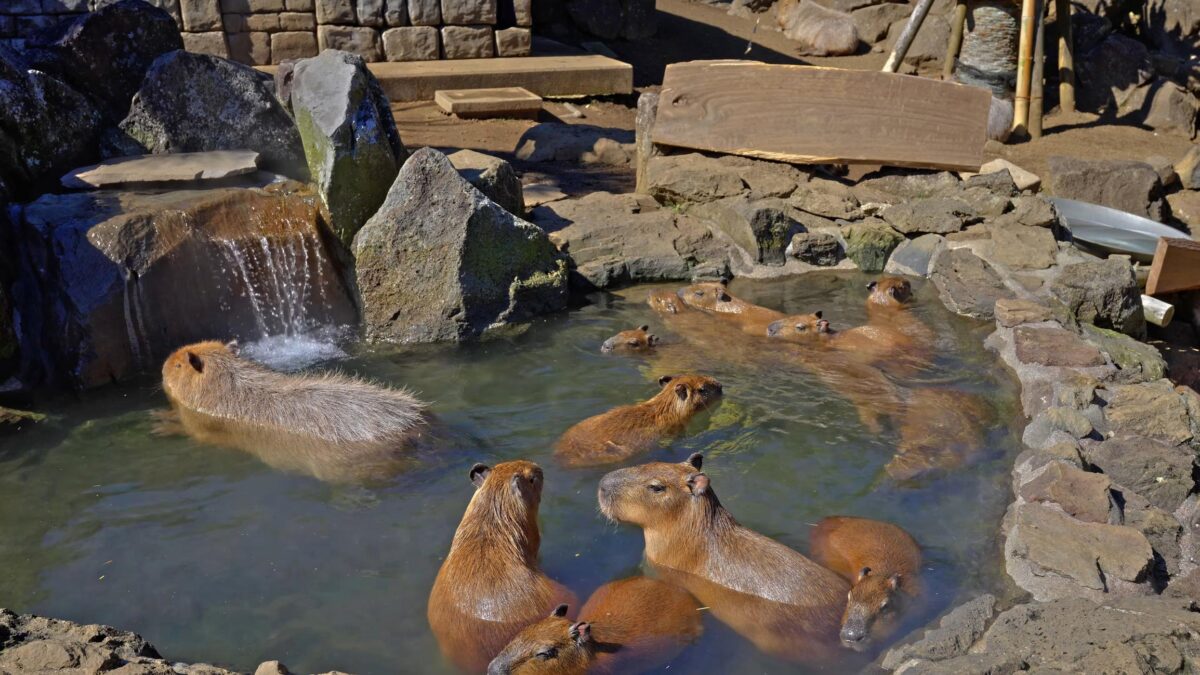
What This Table Tells You at a Glance
The biggest takeaway is simple: setup costs can escalate quickly, especially when you build the habitat the right way. A basic low-end budget may look manageable on paper, but in real life, most owners who prioritize safety and durability spend well above the minimum.
For example, enclosure construction and the water feature alone can absorb the majority of the startup budget. That is not because sellers are exaggerating the cost. It is because capybaras need real space, secure boundaries, and reliable access to water. Those are structural needs, not decorative upgrades.
Why the Low End Can Be Misleading
The lower end of these estimates usually assumes one or more of the following:
- a smaller or very simple build
- do-it-yourself labor
- minimal landscaping
- lower-cost materials
- temporary solutions instead of long-term ones
That may reduce costs in the short term, but it often increases the chance of repairs, replacements, and safety issues later. For something as important as fencing, shelter, or pond construction, cheap materials can become expensive mistakes.
A flimsy gate, shallow pool, poor drainage system, or weak fencing may save money upfront, but it can lead to escapes, injury, water quality issues, weather-related stress, or the need to rebuild sections sooner than expected.
Where Spending More Usually Makes Sense
Readers should be encouraged to budget above the low end, especially in the categories that directly affect safety and daily welfare.
That includes:
- enclosure construction, where stronger fencing and secure locks matter
- pond setup, where filtration and safe entry/exit are worth the extra cost
- shelter, especially in climates with cold winters or intense summer heat
- professional installation, when structural mistakes could create long-term risks
This is one of those cases where paying more upfront often means fewer problems, fewer emergencies, and a setup that actually lasts.
A More Honest Budget Mindset
Instead of planning around the question, “What is the cheapest possible way to do this?” the better question is:
“What will it cost to build a safe, durable, species-appropriate environment that won’t need immediate fixing?”
That mindset leads to better decisions and more realistic expectations.
For most readers, the smartest approach is to treat these numbers as a baseline and build extra room into the budget. That extra cushion helps cover overlooked costs, better materials, and the kind of setup improvements that make ownership more stable from the beginning.
Ongoing Annual Expenses: The Long-Term Financial Commitment
The Recurring Costs of Capybara Care
The upfront setup cost gets most of the attention, but the real financial commitment of capybara ownership is ongoing. This is where many people underestimate the true cost. Once the enclosure is built and the capybara is home, the spending does not slow down. In many ways, this is when the more demanding part of ownership begins.
If the initial setup is the price of getting started, annual care is the price of doing it responsibly year after year.
Food and Nutrition
A capybara’s diet is not something you can casually improvise. Their nutritional needs center around high-fiber intake, with hay and appropriate forage forming the foundation. Most owners also need to provide specialized pellets designed for herbivorous exotic animals, along with fresh vegetables and occasional safe fruits.
Typical recurring food costs may include:
high-fiber capybara or herbivore pellets
Timothy hay or other quality grass hay available regularly
fresh vegetables for variety and nutritional support
safe treats in moderation
supplements, including Vitamin C if recommended by a veterinarian
This might not sound expensive at first, but because capybaras are large animals and eat consistently, the cost adds up over the course of a year. Poor-quality feeding choices can also create health issues that become much more expensive later.
Veterinary Care
This is one of the most important annual expenses — and one of the hardest for people to estimate until they are already committed.
Capybaras need access to a qualified exotic animal veterinarian, not just a general pet clinic. Routine care may include:
annual or semi-annual wellness exams
parasite screening and control
vaccinations if recommended in your area
monitoring for skin, digestive, and mobility issues
dental evaluation, since their teeth grow continuously
Emergency care is where costs can rise sharply. Injuries, infections, digestive problems, dental complications, and stress-related issues can become expensive very quickly, especially if after-hours exotic care is limited in your area.
Expert tip: find an exotic vet before getting a capybara. This should be part of your preparation, not something you search for during an emergency.
Another smart layer of planning is setting aside an emergency veterinary fund. Exotic animal treatment is often more expensive than standard pet care because of limited provider availability, specialized handling, and diagnostic complexity.
Expert tip: if exotic pet insurance is available in your area, it may be worth exploring. It can help reduce the financial impact of sudden illness or injury, though coverage details should always be reviewed carefully.
Enclosure and Pond Maintenance
A capybara habitat is not a “set it and forget it” environment. The enclosure and water feature need regular upkeep, and those maintenance costs should be expected as part of annual ownership.
This can include:
pond cleaning supplies
water testing tools
replacement filter media
pump maintenance
liner repairs
fencing repairs
gate hardware replacement
bedding or shelter upkeep
seasonal adjustments for weather protection
A pond that is poorly maintained can quickly become unsanitary. A damaged fence or broken latch can become a safety issue. These are not occasional luxuries. They are part of the normal cost of keeping the habitat functional and safe.
Enrichment and Toys
Capybaras need more than food and shelter. They also need stimulation. Without enough enrichment, they can become bored, stressed, and potentially destructive.
That means owners should expect to keep spending on:
durable toys
chew-safe items
logs or natural textures
rotation of enrichment materials
habitat additions that encourage exploration and activity
Expert tip: enrichment is a recurring welfare cost, not an optional extra. Budgeting for it from the beginning helps prevent boredom-related behavior problems and improves overall quality of life.
Permit Renewals and Legal Costs
In regions where capybara ownership is regulated, the financial responsibility may continue long after the initial permit is approved. Some owners need to account for:
annual permit renewal fees
inspection-related costs
paperwork updates
additional compliance expenses if local laws change
These costs may be relatively small compared with food or vet care, but they still matter. Ignoring them can create legal risk, which is far more expensive than staying compliant.
Miscellaneous Ongoing Costs
There are always recurring expenses that do not look major on their own but add up across the year.
These may include:
electricity for heated shelters or cooling systems
extra water use for cleaning and pond upkeep
habitat cleaning supplies
replacement feeding tools and bowls
transportation costs for vet visits
pet sitting or boarding if you travel
Travel is especially important to think about in advance. Finding someone qualified and comfortable enough to care for a capybara is not as simple as hiring a standard pet sitter.
Why Long-Term Planning Matters
Capybaras often live 8 to 12 years, sometimes longer with good care. That means you are not just budgeting for this month or this year. You are making a long-term financial promise.
Expert tip: budget for the full lifespan, not just the first year. That includes food, maintenance, routine vet care, enrichment, permits, and emergency expenses. A capybara should never become financially difficult to care for halfway through its life because the long-term planning was too optimistic.
The Most Responsible Financial Approach
The smartest way to think about annual costs is to split them into three categories:
predictable essentials like food, hay, and routine care
maintenance costs like repairs, filtration, and utilities
unexpected costs like emergencies, illness, or urgent habitat fixes
That final category is where many owners struggle. A realistic annual budget should always include an emergency cushion, especially for exotic veterinary care.
Estimated Annual Care Costs: What Ongoing Ownership Really Looks Like
Once a capybara is settled in, the yearly costs become the true test of whether ownership is sustainable. These are the expenses that repeat again and again — and they matter far more over the animal’s lifetime than many first-time owners expect.
Below is a practical annual cost breakdown based on the categories most owners will need to plan for.
Annual Cost Breakdown
| Cost Category | Description | Estimated Annual Cost Range |
| Food & Supplements | Specialized pellets, hay, fresh produce, and supplements such as Vitamin C if needed. | $700 – $1,500 |
| Routine Veterinary Care | Annual wellness exams, vaccinations, parasite control, and dental monitoring. | $300 – $800 |
| Emergency Vet Fund | Strongly recommended reserve for illness, injury, or urgent treatment. | $500 – $2,000 (savings set aside) |
| Enclosure & Pond Maintenance | Water testing, filter replacements, cleaning supplies, and minor repairs. | $200 – $600 |
| Enrichment & Toys | Replacement chew items, toys, and new stimulation tools. | $100 – $300 |
| Permit Renewal Fees | Annual or biennial permit renewals where legally required. | $0 – $200 |
| Utilities (Shelter) | Heating or cooling costs for a climate-controlled shelter. | $100 – $400 |
| Pet Sitting / Boarding | Specialized care if the owner travels and needs someone experienced. | $200 – $1,000 (if applicable) |
| Insurance Premiums | Annual exotic pet insurance cost, if the owner chooses coverage. | $300 – $800 |
The Most Important Thing to Understand About Vet Costs
Veterinary expenses are where the biggest uncertainty usually lies. Routine care can often be estimated with some confidence, but emergency treatment is much harder to predict. A minor issue may be manageable, while a serious injury, digestive problem, infection, or urgent diagnostic workup can become expensive very quickly.
That is why the emergency vet fund should not be treated as optional. It is one of the most important financial protections a capybara owner can have. Even if that money is never used, having it available means you are prepared to act quickly if your animal needs urgent care.
A good rule of thumb is to plan for routine care separately and then keep a dedicated emergency reserve on top of that. That creates a more realistic picture of ownership than simply budgeting for annual check-ups alone.
Why Insurance Can Matter
For owners who have access to exotic pet insurance, it can be a smart way to reduce financial risk. Insurance may not eliminate out-of-pocket costs, and coverage details vary, but it can help soften the impact of unexpected medical events that would otherwise put serious strain on the budget.
This matters because emergency exotic care is rarely cheap. When treatment involves specialized exams, imaging, sedation, dental work, or after-hours services, costs can climb fast. Insurance can make those situations more manageable, especially for owners who want extra protection beyond their emergency savings.
A More Honest Way to Budget
The table above should be seen as a working annual framework, not a guaranteed maximum. Some years may stay close to the lower end. Others may rise sharply because of repairs, medical needs, climate-control costs, or travel-related care.
That is why the best approach is to budget with a cushion instead of aiming for the bare minimum. In practical terms, that means:
- expecting regular yearly costs even in “easy” years
- maintaining an emergency fund for medical surprises
- considering insurance if it is available and worthwhile
- remembering that one difficult year can cost far more than a routine one
Factors Influencing Capybara Costs
Variables That Can Significantly Impact Your Budget
- Even with a strong budget estimate in mind, the actual cost of capybara ownership can still vary a lot from one owner to another. Two people may both own capybaras, yet their yearly expenses can look very different depending on where they live, how they acquired the animal, and the level of care they provide.
- This is why fixed price ranges are helpful — but only to a point. The real cost depends on a combination of factors that can push your budget higher or lower over time.
- Geographic Location
- Where you live has a major impact on capybara ownership costs. In areas with a higher cost of living, you will likely pay more for:
- veterinary services
- enclosure materials
- pond construction
- food and hay
- transportation
- permit-related requirements
- Location also affects access to specialized care. In some places, finding an experienced exotic animal veterinarian may be relatively easy. In others, you may need to travel long distances for even routine appointments. That increases both direct and indirect costs, especially during emergencies.
- In practical terms, the same capybara may cost significantly more to care for in one region than in another simply because the supporting services are less accessible or more expensive.
- Breeder Reputation and Source
- The source of the capybara plays a huge role in both upfront and long-term costs. A well-known, ethical breeder may charge more initially, but that higher purchase price often reflects better health oversight, responsible breeding practices, and stronger early socialization.
- That matters financially because a healthier, better-raised animal may be less likely to develop preventable issues later. In contrast, a capybara bought cheaply from an unreliable source can quickly become more expensive if it has hidden health problems, poor temperament, or incomplete paperwork.
- This is one of the clearest examples of how a lower initial price can lead to a higher total cost over time.
- Capybara’s Age and Health Status
- Age can influence price in two very different ways. Younger capybaras are often more expensive because they are in higher demand. Older animals may come at a lower purchase price, but that does not automatically make them more affordable.
- An older capybara may already have health issues, behavioral challenges, or a more complex care history. The same is true for animals with special needs. A capybara that requires tailored feeding, close medical monitoring, or specialized mobility support may cost much more to care for than a healthy younger animal.
- This does not mean older or special-needs capybaras should be avoided. It simply means the financial planning needs to be more realistic and more detailed.
- Local Regulations and Permit Costs
- Legal requirements can also shape your budget more than many people expect. In some regions, permit fees may be minimal or nonexistent. In others, owners may need to pay for:
- initial permit applications
- annual renewals
- inspections
- documentation updates
- compliance-related habitat modifications
- These costs may not seem dramatic on their own, but they can add recurring financial pressure, especially if local rules become stricter over time.
- And there is another important point here: if legal compliance requires changes to your enclosure or facility, those upgrades can become far more expensive than the permit itself.
- Quality of Enclosure and Daily Care
- The standard of care you choose has a direct impact on long-term cost. Owners who invest in secure fencing, good-quality shelter, proper filtration, and appropriate nutrition often spend more upfront — but they may avoid many expensive problems later.
- On the other hand, cutting corners can create a chain reaction of costs. Poor fencing can lead to escapes. Weak shelter can cause weather-related stress or illness. Inadequate food can contribute to nutritional deficiencies. Poor hygiene can increase health risks.
- In other words, trying to save money in the wrong places often leads to:
- more repairs
- more veterinary bills
- more stress-related problems
- greater safety risks
- lower overall quality of life for the animal
- Responsible care may feel expensive at first, but neglect and shortcuts are usually more expensive in the long run.
- Unexpected Expenses
- No matter how carefully you plan, some costs cannot be predicted perfectly. That is why unexpected expenses deserve their own place in the budget conversation.
- These may include:
- sudden illness or injury
- emergency transport to an exotic vet
- dental or diagnostic procedures
- storm or weather damage to the enclosure
- pond system failures
- property damage caused by chewing, digging, or escape behavior
- This is one of the main reasons capybara ownership should always include a financial buffer. Without one, even a single emergency can turn a manageable situation into a serious burden.
- The Bigger Financial Lesson
- What all of these factors have in common is this: the true cost of ownership is shaped by decisions, circumstances, and risk tolerance — not just by the price tag of the animal itself.
- A capybara may seem affordable when viewed only through the lens of purchase price, but once location, legal compliance, enclosure quality, health needs, and emergencies are factored in, the financial picture becomes much more complex. ey Factors That Can Change the Real Cost of Capybara Ownership
- Even when two people buy a capybara for a similar price, their total ownership costs can end up looking very different. That is because long-term expenses are shaped by a mix of outside factors and owner decisions. Some variables, like local laws or vet availability, are out of your control. Others, especially the quality of care you provide, are entirely within your hands.
- That distinction matters. It helps readers understand that while some costs are influenced by where they live, many of the biggest long-term financial outcomes come down to preparation and standards of care.
Cost Influence Table
| Factor | Impact on Cost | Considerations |
| Geographic Location | Costs vary based on local living expenses, access to exotic veterinarians, and availability of specialized supplies. | Areas with fewer exotic vets or stricter laws may lead to higher overall costs. |
| Breeder Reputation | Reputable breeders often charge more upfront but are more likely to offer healthier, better-raised animals. | Avoid backyard breeders, as poor health or weak genetics can lead to higher vet bills later. |
| Capybara’s Age / Health | Young, healthy capybaras usually cost more initially. Older or rescued animals may be cheaper upfront but may have existing medical needs. | Always request health records, veterinary checks, and background details regardless of age. |
| Local Regulations | Permit fees, inspections, and enclosure compliance can increase both startup and recurring costs. | Ignoring legal requirements can result in fines, forced surrender, or confiscation. |
| Quality of Care | Better food, stronger enclosures, and preventative veterinary care may cost more early on but often reduce emergency expenses later. | Cheap alternatives often create larger, more expensive problems over time. |
Some Costs Are External — But Many Are Not
A big part of responsible ownership is recognizing which costs you cannot control and which ones you absolutely can.
For example, you may not be able to change the fact that your area has limited access to exotic veterinarians or higher permit fees. But you can decide whether to buy from a reputable source, invest in a secure enclosure, feed a proper diet, and stay consistent with preventative care.
That is an important mindset shift. It moves the conversation away from “Why is this pet so expensive?” and toward “Which choices will protect both my budget and the animal’s welfare over time?”
Why Quality of Care Has the Biggest Long-Term Effect
Out of all the factors listed, the quality of care is often the one owners have the most control over — and it has one of the strongest impacts on total cost.
A well-built enclosure, proper nutrition, clean water, regular maintenance, and early veterinary attention may seem expensive at first. But these choices often help prevent:
- illness caused by poor diet or sanitation
- injuries linked to unsafe fencing or poor shelter
- expensive emergency treatments
- escape-related risks and repairs
- stress-related behavior problems
In contrast, saving money in the wrong areas usually leads to more spending later. That is why cheap care is rarely truly cheap.
Research Local Resources Before You Commit
Because geographic and legal factors vary so much, readers should be encouraged to research their local situation in detail before making any decision. That includes checking:
- whether capybara ownership is legal in their area
- what permit or inspection requirements apply
- where the nearest qualified exotic vet is located
- how easily they can access hay, pellets, and habitat materials
- whether climate conditions will increase shelter or utility costs
This kind of local research can prevent major surprises and helps turn a vague budget estimate into a realistic ownership plan.
Legality of Capybara Ownership by Region/State
Navigating the Complexities of Exotic Pet Laws
- Before you think about costs, enclosures, or even finding a breeder, there’s one step that comes first:
- 👉 Is it legal for you to own a capybara where you live?
- This is one of the most confusing parts of capybara ownership — and also one of the most important. Laws vary widely, not just by country, but by state, county, and even city. Many people assume something is legal because they’ve seen others own one online, only to discover later that the rules in their area are completely different.
- General Legal Categories (U.S. Overview)
- While laws change frequently, capybara ownership in the U.S. typically falls into three broad categories:
- Legal (Few or No Restrictions)
- Some states allow capybara ownership with minimal regulation
- May still require basic animal welfare compliance
- Legal with Permit or Restrictions
- Ownership is allowed but requires:
- permits or licenses
- facility inspections
- specific enclosure standards
- Often classified under “exotic” or “non-native wildlife”
- Illegal or Highly Restricted
- Ownership is banned or only allowed for:
- zoos
- research facilities
- licensed exhibitors
- Important: Even in “legal” states, local laws can override state-level permissions.
- Permit Requirements: What to Expect
- If your area allows capybaras with a permit, the process usually involves:
- submitting an application
- paying initial and renewal fees
- proving you have a proper enclosure setup
- passing inspections (in some cases)
- meeting animal welfare standards
- Some regions also require documentation like:
- proof of legal purchase
- veterinary records
- emergency handling plans
- This is where costs and effort increase — permits are not just paperwork, they often require real infrastructure readiness.
- Local Laws & Zoning Rules (Often Overlooked)
- Even if your state allows capybaras, your city or county might not.
- Local rules may include:
- zoning restrictions (residential vs. agricultural areas)
- limits on exotic or livestock animals
- noise, sanitation, or neighbor-related regulations
- enclosure placement rules
- Example: A capybara might be legal at the state level, but not allowed in a suburban residential zone.
- This is one of the most common mistakes new owners make — skipping local checks.
- Consequences of Getting It Wrong
- Ignoring legality isn’t just risky — it can be devastating.
- Possible consequences include:
- fines and legal penalties
- forced removal of the animal
- confiscation (often permanent)
- inability to reclaim your capybara
- legal complications that affect future ownership
- In some cases, confiscated animals may be rehomed under stressful conditions or placed in facilities that are not ideal.
- 🔍 How to Verify Laws (Step-by-Step)
- To stay safe and fully compliant, follow this process:
- 1. Start with State-Level Research
- Search:
- 💡 Expert Tip: Start With Legality — Always
- Before budgeting, before contacting breeders, before building an enclosure —
verify the laws first. - This single step can save you:
- thousands of dollars
- months of effort
- emotional stress
- and potentially losing the animal
- Why This Impacts Your Budget Too
- Legal requirements don’t just affect permission — they affect cost:
- permits and renewals add recurring expenses
- inspections may require upgrades to your setup
- zoning limitations may force you to relocate or redesign
- restricted areas may increase vet and supply costs due to limited access
- So legality isn’t just a yes/no question — it directly shapes your financial commitment.
- Final Takeaway
- Capybara ownership is not just a personal decision — it’s a regulated responsibility.
- The safest and smartest approach is simple:
- 👉 Confirm legality first. Build everything else around that.
- Because no matter how prepared you are financially,
if it’s not legal — it’s not sustainable.
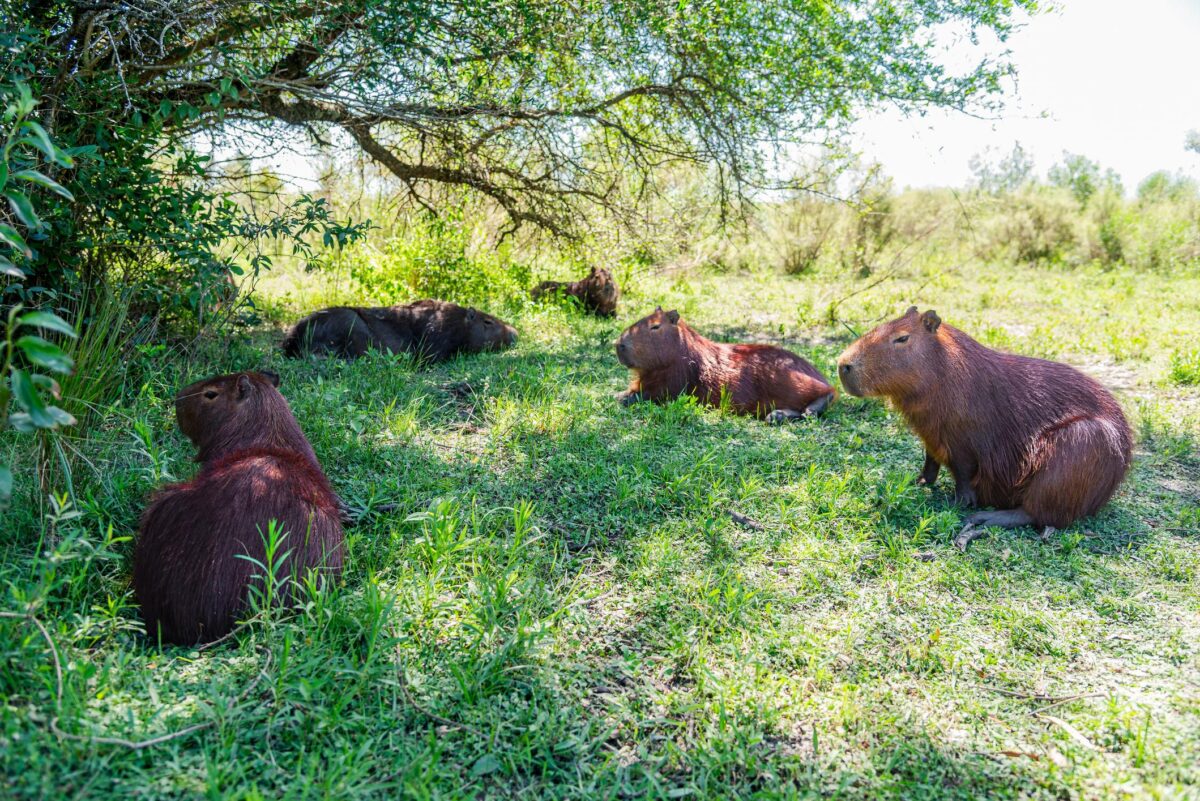
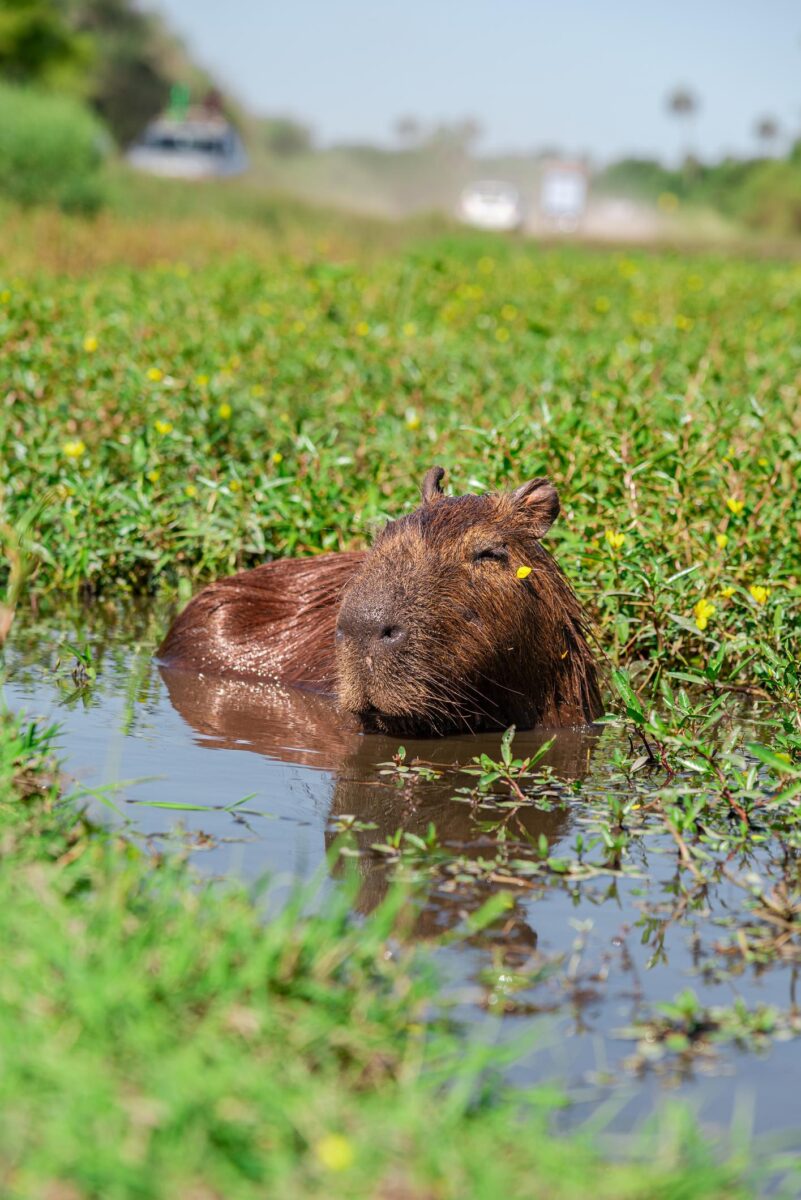
Example Legal Status by State (For Reference Only)
To help you understand how much laws can vary, here’s a sample overview of capybara legality across different U.S. states. This is meant to give you a general idea — not a final answer for your situation.
Sample Legal Status Table
| on / State (Example) | Legal Status | Permit Required? | Notes / Considerations |
| Texas | Legal | No (generally) | Local county or city ordinances may still apply — always verify locally. |
| Pennsylvania | Restricted | Yes | Strict regulations; often limited to educational or licensed facilities. |
| Florida | Legal with Permit | Yes (Class III) | Requires experience, enclosure approval, and inspection. |
| California | Illegal | No | Completely prohibited as pets under state law. |
| New York | Illegal | No | Classified as a dangerous wild animal — not allowed. |
| Arizona | Legal with Permit | Yes (often Class A) | Requires specific housing and care standards. |
| Massachusetts | Illegal | No | Exotic pet ownership is heavily restricted. |
Important: This Is NOT a Final Answer for You
This table is for general understanding only. Laws change frequently, and more importantly, they are often highly localized.
👉 What’s legal at the state level may still be restricted at the:
- county level
- city level
- zoning level (residential vs agricultural areas)
🔍 What You MUST Do Before Moving Forward
To get accurate, up-to-date information for your exact situation, you should directly contact:
- Your State Wildlife Agency
(Fish & Wildlife, Department of Natural Resources, etc.) - County Animal Control Office
- City Clerk or Local Zoning Office
When contacting them, ask clearly:
- Is capybara ownership legal at my exact address?
- Do I need a permit or license?
- Are there enclosure or inspection requirements?
- Are there zoning restrictions for my property type?
❗ Why This Step Is Non-Negotiable
Relying on outdated or general online information can lead to serious consequences:
- fines and penalties
- denial of permits
- forced removal of the animal
- permanent confiscation
And in many cases, once an animal is confiscated, you may never get it back.
💡 Strong Disclaimer (Read This Carefully)
This information is provided for general guidance only.
Capybara ownership laws:
- change frequently
- vary by state, county, and city
- may depend on your exact address and property zoning
👉 Always verify directly with official authorities before making any purchase or setup investment.
✔️ Final Takeaway
Think of legality as the foundation of everything else.
Before budgeting, before building, before buying —
confirm that you are legally allowed to own a capybara where you live.
Because no matter how prepared you are financially or emotionally,
ownership is only viable if it’s fully legal and compliant.
Ethical Considerations & Responsible Ownership
The Moral Imperative Beyond the Financial Investment
Money is only part of the equation. Even if someone can afford the purchase price, enclosure, food, and veterinary care, there is still a more important question to answer:
Can they provide a life that is genuinely appropriate for a capybara?
That is where the ethical side of ownership begins. Capybaras are not novelty pets, social media props, or low-maintenance exotics. They are intelligent, social, semi-aquatic animals with complex welfare needs. Responsible ownership means looking beyond whether you can own one and asking whether you should.
Welfare Needs Come First
A capybara’s well-being depends on much more than shelter and food. Their care must reflect their natural behavior, emotional needs, and physical health requirements.
Socialization Matters More Than Many People Realize
Capybaras are highly social animals. In the wild, they live in groups and rely on constant interaction with others of their kind. This is one of the biggest ethical concerns in private ownership.
Many pet capybaras are kept alone, but that does not mean solitude is ideal for them. A single capybara may require much more human interaction, enrichment, and stimulation to prevent loneliness and stress.
Expert tip: understand their social needs before committing. If you plan to keep only one capybara, you must be prepared to invest far more time in daily interaction and environmental enrichment. Even then, human companionship is not always a full substitute for another capybara.
Enrichment Is a Welfare Need, Not a Luxury
A capybara cannot thrive in an empty enclosure with nothing to do. Without stimulation, they may become bored, frustrated, or develop unhealthy repetitive behaviors.
Responsible owners need to provide:
room to roam and explore
safe items to chew and investigate
varied textures and habitat features
opportunities for foraging and activity
regular changes to keep the environment engaging
Enrichment is not just about keeping the animal entertained. It is part of maintaining mental health and reducing stress.
Diet and Water Access Are Ethical Responsibilities Too
A proper capybara diet is not optional. Poor feeding choices can lead to nutritional deficiencies, digestive issues, dental problems, and long-term health decline.
The same is true for water access. Because capybaras are semi-aquatic, access to water for swimming, soaking, and cooling down is essential for both physical comfort and natural behavior. Denying that need may keep the animal alive, but it does not support good welfare.
The True Commitment Level
One of the most overlooked ethical issues in exotic pet ownership is underestimating the long-term commitment.
A Capybara Is Not a Short-Term Experience
With a lifespan of roughly 8 to 12 years, capybara ownership is a long responsibility. That means planning not just for today’s excitement, but for future changes in:
finances
housing
family life
travel ability
time availability
access to veterinary care
A capybara does not become less dependent on you after the novelty wears off. If anything, the importance of consistency becomes even greater over time.
Daily Care Is Demanding
These animals require more than feeding and occasional cleaning. Responsible ownership includes:
daily food preparation and water checks
enclosure inspection and maintenance
pond or pool cleaning
interaction and monitoring
observation for health or behavior changes
That routine affects your lifestyle. It can shape where you live, how often you travel, how you budget, and how much free time you truly have.
The Ethical Risk of Escape and Environmental Harm
There is also a broader responsibility to the environment and community. If a capybara escapes, the consequences may go beyond inconvenience.
Depending on the region, escaped exotic animals can create risks such as:
disruption to local ecosystems
disease transmission
property damage
public safety concerns
legal action against the owner
This is one reason secure housing is not just a practical requirement. It is an ethical one. Responsible ownership includes protecting the animal, the surrounding environment, and the community.
Where the Animal Comes From Matters
The source of a capybara is not just a buying decision. It is an ethical decision.
Supporting ethical, reputable breeders helps encourage better welfare standards, proper health care, and transparency. On the other hand, buying from careless sellers or unverified sources can contribute to poor breeding practices, neglect, and in some cases, illegal wildlife trade.
Expert tip: research reputable sources carefully. Choose breeders who provide health records, background information, and honest answers about the animal’s needs. If a legitimate exotic rescue is available, that may also be worth considering.
A suspiciously cheap animal, vague documentation, or a seller who rushes the transaction should always be treated as a warning sign.
The Bigger Debate Around Exotic Animal Ownership
Capybara ownership sits inside a wider ethical debate about whether exotic animals should be kept as pets at all.
Some people argue that private ownership can be acceptable when the owner is educated, financially prepared, and committed to species-appropriate care. Others believe wild or exotic animals should not be kept in domestic settings because even good owners may struggle to meet their full natural needs.
Both sides raise valid concerns. What matters most for the reader is understanding that capybara ownership is not ethically neutral. It requires serious thought, humility, and honest self-evaluation.
The goal should never be to “get” a capybara simply because it is legal or affordable. The goal should be to determine whether you can truly offer a life that respects the animal’s needs.
Don’t Let Admiration Turn Into Impulse
Capybaras are charming, calm-looking, and easy to romanticize. That makes impulse decisions especially dangerous.
Expert tip: do not impulse buy. Capybaras require major financial, emotional, and time investment. Before making any decision, be brutally honest about your space, schedule, long-term plans, and willingness to build your life around the animal’s needs.
Admiration is not the same as readiness.
The Ethical Price Tag Beyond Dollars
This is the deeper cost of capybara ownership: not just what you spend, but what you commit to.
The ethical price tag includes:
respecting the animal’s social nature
maintaining a safe and enriching environment
supporting responsible sourcing
preventing harm to the animal and local ecosystem
staying committed for the full length of the animal’s life
In that sense, responsible ownership costs more than money. It asks for planning, discipline, sacrifice, and genuine concern for welfare.
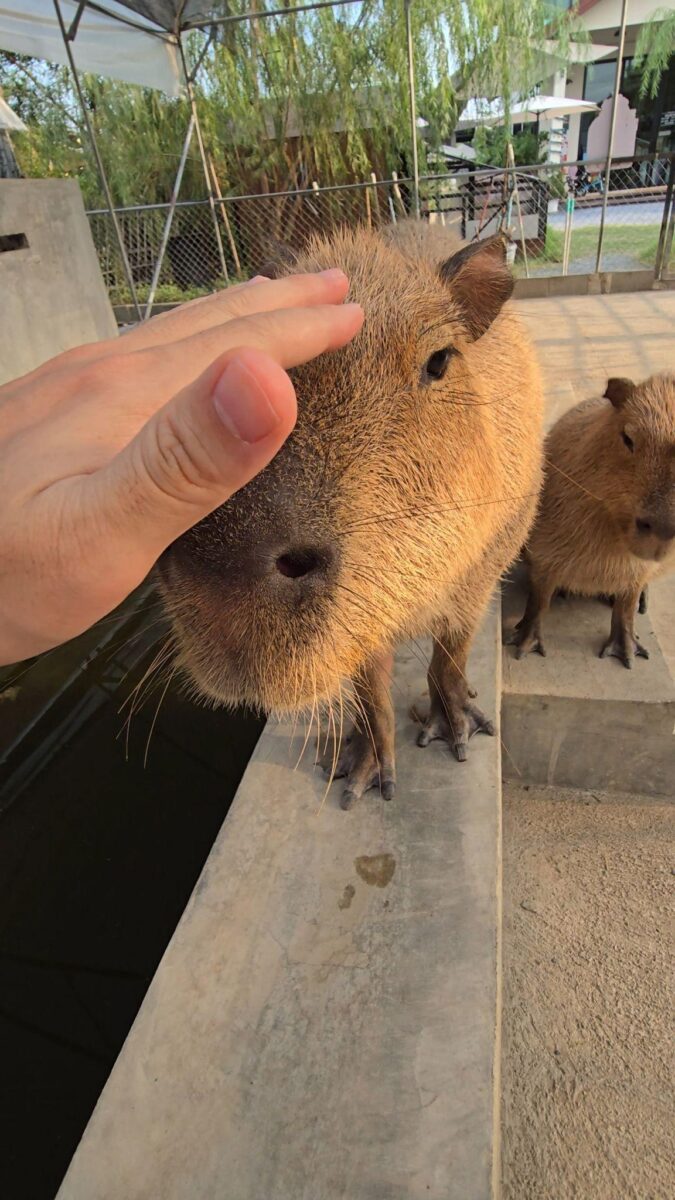
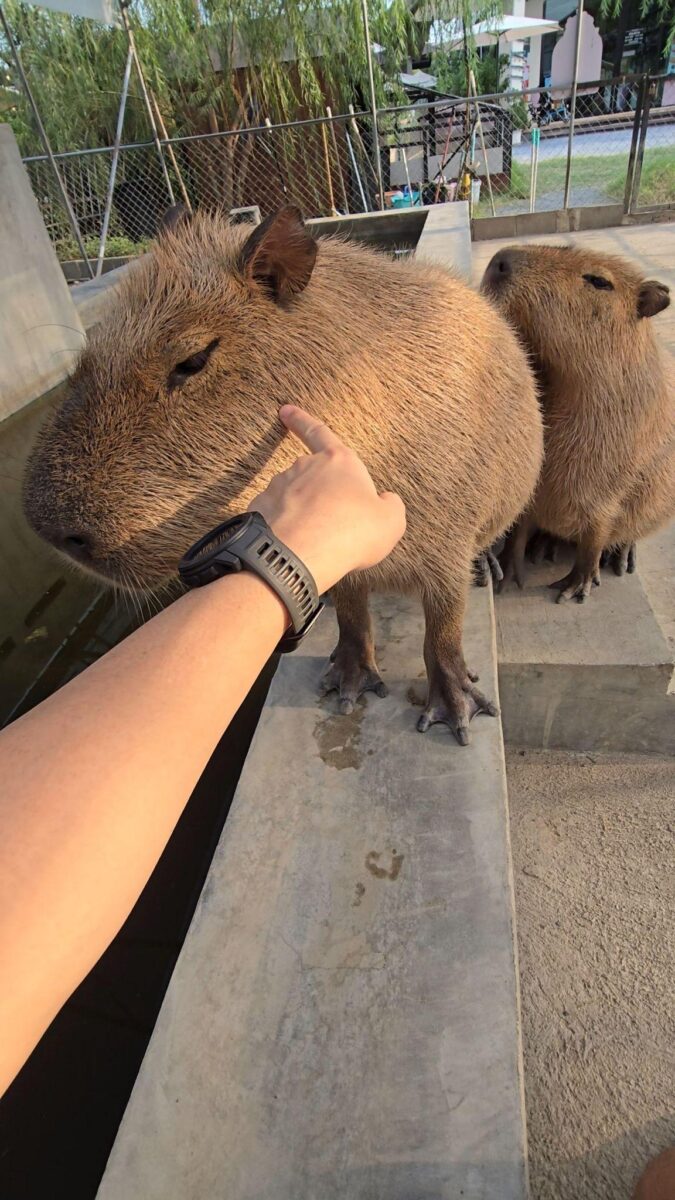
Ethical Responsibility Checklist: What Proper Care Actually Requires
If there’s one section that truly defines responsible capybara ownership, it’s this one. Because beyond budgets and legality, this is where the real question gets answered:
👉 Can you meet the animal’s natural needs in a domestic setting?
The table below translates ethical responsibility into clear, actionable expectations — what the animal needs, and what you must be prepared to provide.
Ethical Responsibility Breakdown
| Ethical Aspect | Description | Responsible Action |
| Natural Habitat | Capybaras are native to tropical/subtropical environments with water, grass, and open space. | Recreate natural conditions as closely as possible: large outdoor enclosure, grazing space, and a proper pond or pool. |
| Social Needs | Highly social animals that naturally live in groups. Isolation can cause stress and behavioral issues. | Provide consistent companionship — either another capybara (ideal) or significant daily interaction and enrichment if kept alone. |
| Enrichment | Require ongoing mental and physical stimulation to avoid boredom and stress. | Offer toys, chew items, foraging opportunities, varied environments, and regular interaction. Rotate enrichment frequently. |
| Specialized Diet | Herbivores with sensitive digestive systems requiring high-fiber diets. | Maintain a consistent supply of hay, grass, appropriate pellets, and safe vegetables. Avoid poor-quality or inconsistent feeding. |
| Lifespan Commitment | Can live 8–12 years, requiring long-term care stability. | Plan for a decade-long commitment, including financial, lifestyle, and housing stability. |
| Source Ethics | Risk of unethical breeding or illegal wildlife trade. | Only buy from reputable, licensed breeders or verified rescues with full health records and transparency. |
| Escape Risk | Escaped capybaras can harm ecosystems, spread disease, or face injury. | Build a secure, escape-proof enclosure and have a clear emergency plan in place. |
The Bigger Truth About Responsibility
This table may look structured and simple — but in reality, each point represents a serious, ongoing obligation.
- “Provide companionship” means daily time, attention, and sometimes managing multiple animals
- “Replicate habitat” means investing in space, water systems, and climate control
- “Offer enrichment” means continuous effort, not occasional toys
- “Commit for 10+ years” means planning through life changes, not just current convenience
👉 This is why capybara ownership is not just about affordability — it’s about capability and consistency.
⚠️ Where Many Owners Go Wrong
Most ethical issues don’t come from bad intentions — they come from underestimation.
- Underestimating how social the animal is
- Underestimating the need for water and space
- Underestimating long-term commitment
- Underestimating how quickly boredom or stress can affect behavior
And unfortunately, the animal is the one that pays the price.
💡 Expert Perspective: Responsibility > Ownership
A responsible owner doesn’t ask:
❌ “Can I manage this?”
They ask:
✅ “Can I provide a life that meets this animal’s natural needs every single day?”
That mindset shift is what separates curiosity from true readiness.
✔️ Final Takeaway
The ethical cost of owning a capybara is not measured in dollars —
it’s measured in effort, time, environment, and long-term commitment.
If those needs can be met consistently, ownership can be responsible.
If they cannot, the most ethical decision is to admire these animals without owning them.
And in many cases, that decision reflects the highest level of care.
Is a Capybara Right for You? Beyond the Price Tag
A Self-Assessment for Prospective Capybara Owners
By now, you’ve seen the costs, the setup, the legal hurdles, and the ethical responsibilities. But all of that leads to one final — and most important — question:
👉 Does your life realistically support capybara ownership?
Because this decision is not just financial. It’s about your time, space, routine, patience, and long-term stability.
⏳ Time Commitment: Daily, Not Occasional
Capybara care is hands-on and consistent. This is not a pet you can check on once or twice a day and leave alone.
Daily responsibilities include:
preparing and providing fresh food and hay
cleaning feeding areas and checking water
monitoring health and behavior
interacting and providing social stimulation
inspecting enclosure safety
On top of that, regular tasks include:
pond cleaning and maintenance
enclosure repairs or adjustments
enrichment rotation and setup
👉 This is a daily lifestyle responsibility, not a flexible hobby.
🌿 Space Requirements: More Than a Backyard
Capybaras need real outdoor space, not a small fenced corner.
You’ll need:
a large, secure enclosure (often requiring significant yard space or land)
a proper pond or water feature
shaded areas and shelter
safe grazing or natural ground
If space is limited, or if local zoning restricts this kind of setup, ownership may not be practical — regardless of budget.
🔄 Lifestyle Changes: What You’ll Need to Adjust
Owning a capybara will affect your routine more than most people expect.
You may need to adjust:
travel plans → finding qualified care is difficult
daily schedule → consistent care and interaction required
home environment → noise, mess, and outdoor setup
social flexibility → less spontaneity in your routine
You’ll also need to consider:
compatibility with other pets
safety around children
neighbors and local regulations
👉 This is not just adding a pet — it’s reshaping part of your lifestyle.
🧠 Patience & Training: Not a Typical Pet
Capybaras are intelligent, but they are not easily trained like dogs.
They require:
patience
consistency
understanding of natural behavior
positive reinforcement (never force-based training)
They may:
chew on objects
resist handling
behave unpredictably when stressed
👉 You need to be comfortable working with their nature — not trying to change it.
💪 Emotional & Physical Demands
This is something many guides don’t talk about enough.
Physical effort includes:
maintaining a large enclosure
cleaning water systems
handling supplies (hay, equipment, repairs)
Emotional effort includes:
finding and accessing exotic vets
dealing with health issues or emergencies
managing stress if something goes wrong
long-term responsibility without shortcuts
👉 Exotic pet ownership can be rewarding — but it can also be mentally and physically demanding.
✅ Honest Self-Assessment Checklist
Take a moment and answer these honestly:
Time & Lifestyle
Do I have time every single day for hands-on care?
Can I commit to this routine for the next 8–12 years?
Am I okay with limited travel flexibility?
Space & Environment
Do I have enough land or outdoor space for a proper enclosure?
Can I build and maintain a pond or water system?
Is this setup legally allowed in my exact location?
Financial Stability
Can I handle $3,000–$8,000 per year comfortably?
Do I have an emergency fund for unexpected vet costs?
Care & Responsibility
Am I prepared to provide social interaction daily?
Can I maintain proper diet, enrichment, and hygiene long-term?
Do I have access to an exotic veterinarian?
Mindset
Am I making this decision based on research — not impulse?
Am I prepared for challenges, not just the “cute” moments?
🧠 How to Interpret Your Answers
If you answered “yes” confidently to most questions, you may be in a position to consider ownership responsibly.
If you hesitated on multiple points, that’s not failure — it’s clarity.
👉 And clarity is exactly what prevents poor decisions.
⚠️ The Most Honest Advice
Capybaras are often called the “world’s friendliest rodent,” but that label can be misleading. They are not easy pets — they are complex, demanding, and highly specialized animals.
Wanting one is completely understandable.
Being ready for one is something very different.
✔️ Final Thought
The goal of this guide is not to convince you to own a capybara.
It’s to help you make a smart, informed, and responsible decision.
Because the best outcome isn’t just owning a capybara —
it’s ensuring that if you do, you can give it a life that truly meets its needs.
And if not, choosing not to own one is also a responsible — and often admirable — decision.
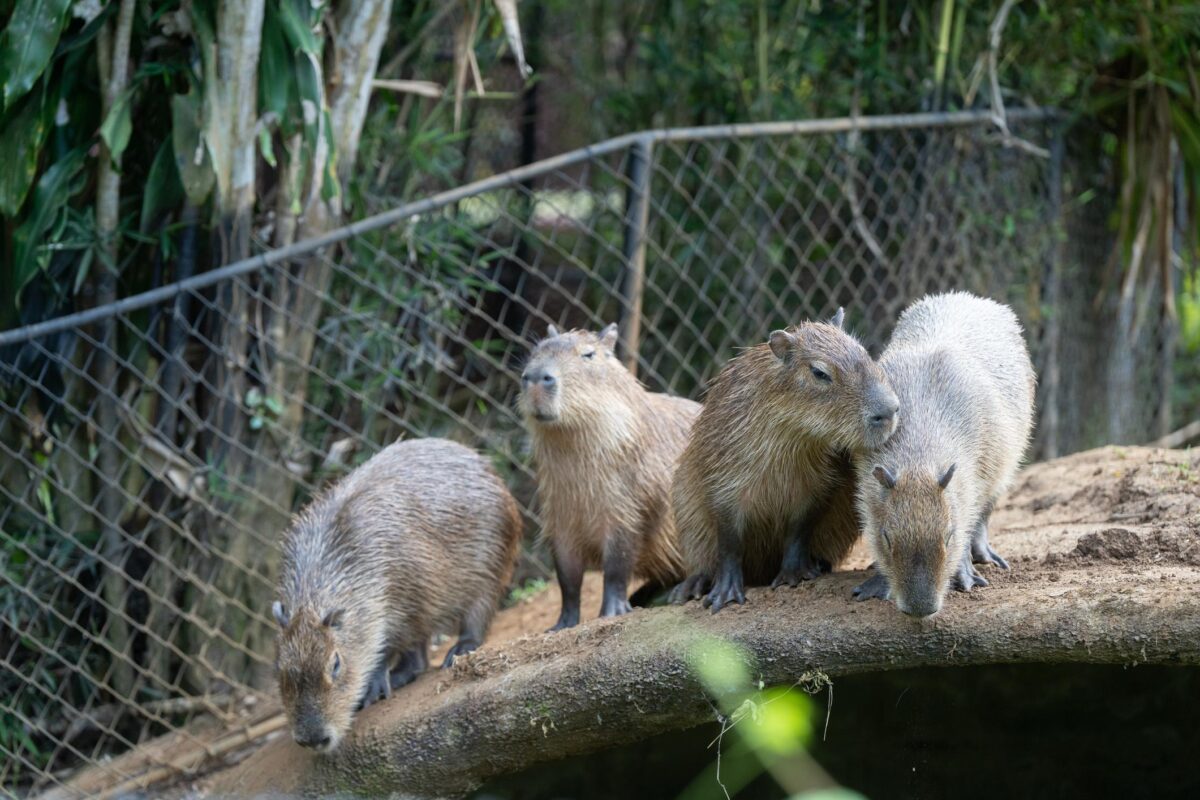
Honest Readiness Checklist: Are You Truly Prepared?
Before moving forward, it helps to turn the big ideas in this guide into a simple but honest self-check. This is not meant to discourage anyone. It is meant to protect both the reader and the animal from a decision made too quickly or too optimistically.
The most responsible approach is to answer each question as honestly as possible — not based on hope, but based on your real situation today.
Capybara Ownership Self-Assessment Table
| Commitment Area | Self-Assessment Question | Consideration |
| Financial Stability | Can I comfortably afford the initial setup, annual care, and an emergency fund for the next 8–12 years? | Hidden costs and medical emergencies are common, so a strong long-term budget matters. |
| Time & Dedication | Do I have several hours each day for feeding, cleaning, interaction, and habitat upkeep? | Capybaras need consistent, hands-on care and cannot be treated like low-maintenance pets. |
| Space Requirements | Do I have a large, secure outdoor area, ideally around 1/4 acre or more, with room for water and shelter? | Small or unsafe environments can lead to stress, boredom, and health problems. |
| Climate Suitability | Is my climate appropriate, or can I provide safe heating, cooling, and shelter all year? | Extreme temperatures can quickly become dangerous without proper environmental support. |
| Legal Compliance | Have I fully verified the laws for my exact address and committed to meeting all permit and housing requirements? | Legal mistakes can lead to fines, confiscation, and serious ethical consequences. |
| Access to Vet Care | Is there a qualified exotic veterinarian within a realistic distance who is willing and able to treat capybaras? | Specialized veterinary care is essential and may be difficult to access in some areas. |
| Social Needs | Am I prepared to provide constant interaction and enrichment, or to responsibly keep more than one if legal and feasible? | Lonely capybaras may become stressed, withdrawn, or destructive. |
| Lifestyle Changes | Am I willing to adjust travel, daily routines, home setup, and personal flexibility around this animal’s needs? | Exotic pet ownership often changes how you live, not just what you own. |
| Commitment Area | Self-Assessment Question | Consideration |
How to Use This Checklist Honestly
This is not a scorecard where a few strong answers cancel out a weak one. In capybara ownership, one serious “no” can matter a lot.
For example, someone may have the budget but no legal path to ownership. Another person may have the land but no access to an exotic vet. Someone else may love capybaras deeply but not have the time to meet their daily social and environmental needs.
That does not mean they are careless people. It simply means the timing, location, or lifestyle may not be right for capybara ownership at this stage.
The Most Important Truth in This Guide
A capybara is not the right pet for most households. And that is not an insult to the reader. It is a reflection of how specialized these animals really are.
So this checklist should be treated as a decision filter, not a dream killer. Its purpose is to help readers avoid an impulse decision that could become unfair, expensive, or unsustainable later.
A Good Rule to Remember
If the answer is “no” to even one major category, that may be a sign that capybara ownership is not suitable right now.
That can feel disappointing, but it is also a responsible conclusion. Waiting until the right conditions exist is far better than forcing a situation that does not truly meet the animal’s needs.
Final Takeaway
The best prospective owner is not the one who wants a capybara the most. It is the one who is willing to be brutally honest about whether they can provide the life a capybara actually requires.
Interactive Capybara Cost Calculator (Unique Content Element)
Personalize Your Capybara Budget
Reading average cost ranges is helpful, but it still leaves one big question unanswered:
What would capybara ownership likely cost you based on your situation?
That is where an interactive cost calculator becomes especially valuable. Instead of relying only on general estimates, readers can use a simple tool to generate a personalized budget snapshot based on factors that actually affect ownership costs in real life.
What This Calculator Would Do
This section would feature an embedded interactive tool that allows users to adjust key variables and instantly see how those choices affect both initial setup costs and ongoing annual expenses.
The calculator could include inputs such as:
Location or region
to reflect differences in permits, veterinary access, and cost of living
Number of capybaras
since housing, food, vet care, and enrichment costs rise with more animals
Care level or setup quality
such as basic, recommended, or premium care standards
Climate needs
to account for heating, cooling, or shelter upgrades
Permit requirements
if applicable in the user’s state or county
Emergency fund preference
to help users decide whether they are budgeting minimally or responsibly
Why This Tool Matters
One of the biggest pain points for prospective owners is uncertainty. They may understand that capybaras are expensive, but still struggle to translate general estimates into a realistic personal budget.
A calculator solves that by making the financial commitment more tangible.
Instead of asking,
“How much does a capybara cost in general?”
the reader can ask,
“What would this likely cost for my home, my location, and my care standards?”
That shift makes decision-making more practical, more honest, and much less driven by guesswork.
Suggested On-Page Instructions for Users
To make the tool easy and useful, the section should include short, clear instructions such as:
How to use the calculator:
Select your location or region
Choose how many capybaras you plan to keep
Pick your expected care level
Add any permit or climate-related costs
Review your estimated startup and yearly budget
A short note should also remind readers that the calculator provides planning estimates, not fixed quotes, and that real costs may vary based on local laws, veterinary access, and individual care needs.
Placeholder for Tool Embed
[Interactive Capybara Cost Calculator will be embedded here]
Suggested layout:
user-friendly input fields on the left
instant cost summary on the right
separate totals for initial costs and annual costs
optional expandable sections for “what’s included” in each category
Design and Usability Recommendations
Because this calculator is meant to reduce confusion, the interface should feel clean, simple, and visually approachable.
A strong version of this tool should include:
clearly labeled fields
mobile-friendly layout
instant updates without page reloads
easy-to-read totals
helpful notes beside each cost category
a clean, visually appealing design that matches the article style
It would also be useful to highlight:
estimated initial total
estimated yearly total
projected 8–12 year ownership cost range
That final number can be especially powerful, because it helps readers see the true long-term commitment instead of focusing only on the purchase price.
Why This Adds Real Value to the Article
This is more than a nice feature. It directly supports the article’s purpose: helping readers make informed, responsible decisions.
A well-designed calculator can:
reduce uncertainty
make budgeting more realistic
discourage impulse decisions
help readers compare ownership scenarios
reinforce the message that capybara care is a serious long-term commitment
Final Takeaway
An interactive cost calculator turns abstract estimates into something personal, practical, and much easier to understand. For a topic like capybara ownership, that kind of tool can make the difference between casual curiosity and truly informed decision-making.
A Day in the Life of a Capybara Owner & Cost Diary (Unique Content Element)
Real-World Insights from the Front Lines of Capybara Care
To make all of this feel more real, it helps to move beyond price tables and checklists and look at what capybara ownership actually feels like on a normal day.
Because I don’t have a verified owner interview included in your materials, the narrative below is written as a realistic first-person sample diary based on the daily care, costs, and challenges responsible capybara owners commonly need to prepare for. It’s designed to show what ownership can look like in practice — not just in theory.
A Sample Day in My Life as a Capybara Owner
6:30 AM — The day starts early
Before I do much for myself, I check on the enclosure. I make sure the fencing is secure, the shelter is dry, and the pond water looks clean enough for the day. Then I bring out hay, pellets, and fresh vegetables. Feeding takes longer than most people assume because it is not just about dropping food into a bowl. I am also watching behavior, appetite, energy level, and any sign that something seems off.
Some mornings are simple. Other mornings I notice small things — less interest in food, unusual droppings, a scratch, or reluctance to move normally. With an exotic animal, even small changes can turn into a bigger concern fast.
8:00 AM — Cleaning and water maintenance
After feeding, I deal with cleanup. Bowls need rinsing, feeding areas need tidying, and the water feature often needs attention. Leaves, dirt, algae, and general mess build up quickly. On some days it is just light maintenance. On other days, I am checking filters, topping up water, or doing a more serious clean because if the pond gets neglected, it becomes a hygiene problem very quickly.
This is one of the least glamorous parts of capybara ownership, but it is one of the most important.
11:30 AM — Midday check-in
By midday, I usually go back out to check the enclosure again, especially if the weather is hot or unusually cold. Capybaras need help staying comfortable, so shade, water access, and shelter conditions all matter. If it is summer, I am making sure the water stays usable and cool enough. If it is colder, I am checking shelter warmth and dry bedding.
This is also when I usually add some enrichment — chew items, a new scent, a safe object to investigate, or a small change to the environment. If I skip this too often, I notice the difference. Bored animals get frustrated animals.
3:00 PM — The unexpected problem of the day
This is the part nobody can fully schedule. Maybe it is nothing. Maybe it is a damaged section of fencing from chewing or pressure against the gate. Maybe the pump has stopped working. Maybe I notice something in the enclosure that needs repairing before night.
And sometimes the surprises are more stressful. A capybara that seems lethargic. A foot issue. A digestion concern. A near-escape because a latch was not as secure as I thought. These moments are why ownership always feels bigger than the routine. You are not just caring for an animal. You are constantly managing risk.
6:30 PM — Evening feeding and interaction
The evening routine is another round of feeding, checking water, and spending time observing behavior. This is also when I do more interaction and simply stay present. Capybaras are social animals, and care is not just about physical maintenance. They need consistent engagement and a stable environment.
Some evenings are calm and enjoyable. Others feel like work after a long day. That is the truth people need to hear. Even when you love the animal, it is still a major daily responsibility.
9:00 PM — Final security check
Before the day ends, I do one last walk-through. Gates locked. Shelter safe. Water accessible. No obvious hazards. This last check gives peace of mind, but it also reminds me that capybara ownership is not casual. It shapes the rhythm of the entire day.
The Part People Don’t See
What surprises most people is not just the money. It is how much mental space capybara ownership takes up.
You are always thinking about:
enclosure safety
pond cleanliness
weather changes
food supply
exotic vet access
signs of illness
long-term maintenance
That ongoing awareness is part of the real commitment. Even on quiet days, the responsibility never fully switches off.
A Realistic Cost Diary Snapshot
Here is what a sample monthly snapshot might look like for one responsibly kept capybara, depending on location and care standards:
| Expense | Estimated Monthly Cost |
| Hay, pellets, fresh produce, supplements | $60 – $125 |
| Routine habitat and pond maintenance | $20 – $50 |
| Enrichment and replacement items | $10 – $25 |
| Utilities for shelter climate control | $10 – $35 |
| Permit / legal costs averaged monthly | $0 – $15 |
| Insurance or emergency fund contribution | $25 – $165 |
Sample Monthly Total
Estimated monthly range: $125 – $415+
That does not include major repairs, travel-related care, or emergency veterinary treatment.
Sample Annual View
Over a year, that same owner might realistically spend on:
food and supplements
routine vet care
pond and enclosure upkeep
enrichment replacements
climate-related utility costs
permit renewals
emergency savings or insurance
That easily pushes the yearly commitment into the thousands, especially once even one unexpected issue is added.
A Few Unexpected Costs Owners Often Face
This is where the budget gets very real. Common surprise costs may include:
emergency exotic vet visits
fence or gate repair after escape attempts
pump or filtration replacement
property damage from chewing or digging
extra heating or cooling during extreme weather
specialized transport for medical care
These are the moments that separate a hopeful budget from a realistic one.
Why This Perspective Matters
A section like this adds something cost tables alone cannot: context.
It shows that capybara ownership is not just a list of expenses. It is a daily system of care that takes time, attention, flexibility, and emotional energy. That realism helps readers understand what they are truly signing up for.
And that matters, because the goal is not to make capybara ownership sound easy. The goal is to make it understandable enough for someone to decide responsibly.
Final Takeaway
The daily life of a capybara owner can be rewarding, but it is never passive. It involves routine work, constant observation, financial readiness, and the ability to handle unexpected problems without delay.
Alternatives to Capybara Ownership
Experiencing Capybaras Without the Commitment
- For many people, the most responsible conclusion after researching capybara ownership is simple: they love capybaras, but ownership is not the right fit.
- That is not a failure. In fact, it can be a very thoughtful and ethical decision.
- Capybaras are fascinating animals, and there are still meaningful ways to enjoy, learn about, and even support them without taking on the full financial, legal, and lifestyle burden of private ownership.
- Visit Accredited Zoos and Wildlife Facilities
- One of the best ways to experience capybaras is by visiting reputable zoos or wildlife parks that care for them in professionally managed environments. These settings can give you the chance to observe capybaras more realistically, while also learning about their behavior, habitat needs, and welfare requirements.
- Some facilities also offer:
- educational talks
- animal encounters or supervised feeding experiences
- conservation-focused programming
- family-friendly learning opportunities
- This can be especially helpful for people who are still curious about capybaras but want to understand them beyond viral videos and social media clips.
- Support Wildlife Sanctuaries and Exotic Animal Rescues
- Sanctuaries and exotic animal rescues can offer another meaningful path. Some facilities care for surrendered or displaced exotic animals and may occasionally house capybaras or similar species.
- Supporting these organizations can be valuable in several ways:
- donating to animal care and habitat upkeep
- sharing their educational work
- attending open days or public events
- helping raise awareness about responsible exotic animal ownership
- This allows admirers to contribute positively to animal welfare without adding demand to questionable breeding or impulse buying.
- Volunteer and Gain Real-World Experience
- For people who want hands-on exposure, volunteering can be one of the most eye-opening alternatives.
- Helping at a wildlife center, rescue, or exotic animal facility can teach you:
- how much daily work exotic care actually involves
- what proper habitat maintenance looks like
- how feeding, cleaning, and enrichment are managed
- how demanding specialized animal care can be in real life
- This kind of experience is valuable for two reasons. First, it gives you a way to be around animals in a meaningful setting. Second, it often helps people decide more honestly whether private ownership is truly something they want or are prepared for.
- Learn Through Educational Content and Documentaries
- Not every meaningful connection to capybaras has to be in person. High-quality educational content can help readers appreciate these animals in a more informed way.
- That can include:
- nature documentaries
- wildlife education channels
- books on capybaras or South American wildlife
- expert-led articles about behavior, habitat, and welfare
- This is often a better option than relying only on entertaining clips online, which may show cute moments without showing the full picture of care, captivity, or ethical concerns.
- Enjoy Virtual Capybara Experiences
- For those who simply enjoy capybaras and want a low-commitment way to stay connected, virtual experiences can be a fun option.
- These might include:
- zoo live cams
- wildlife livestreams
- educational social media pages
- online communities focused on capybara appreciation
- owner-shared content viewed strictly for entertainment and learning
- The key is to treat these as a way to admire the animal, not as proof that ownership is easy. When viewed with that mindset, virtual experiences can be enjoyable without creating unrealistic expectations.
- Why Alternatives Can Be the Better Choice
- There is an important message in this section: you do not have to own an animal to appreciate it deeply.
- In fact, for many people, alternatives to ownership are the better option because they allow them to:
- avoid major financial strain
- avoid legal and housing complications
- support animal welfare more responsibly
- enjoy capybaras without compromising their needs
- That perspective is especially important with exotic animals. Admiration should not automatically lead to possession.
- Final Takeaway
- If the costs, space requirements, legal barriers, or ethical responsibilities of capybara ownership feel too high, there are still plenty of ways to enjoy these remarkable animals.
- Visiting, volunteering, learning, and supporting reputable facilities can provide a far more realistic and responsible connection to capybaras than impulse ownership ever could.
- And for many readers, that may be the smartest and kindest path of all.
Sustainable Alternatives to Owning a Capybara
Not everyone who loves capybaras needs to own one. In many cases, the most responsible and rewarding choice is to enjoy them in ways that are ethical, practical, and sustainable. These alternatives can still offer real joy, education, and connection — without the heavy financial, legal, and daily care burden of private ownership.
Alternative Ways to Experience Capybaras
| Alternative | Description | Benefits |
| Visiting Zoos / Sanctuaries | Observe capybaras in professionally managed, welfare-focused environments. | Educational, supports conservation and animal care, no personal ownership commitment. |
| Volunteering | Help at exotic animal rescues, sanctuaries, or wildlife centers that work with similar species. | Builds practical experience, supports animal welfare, and offers hands-on exposure without full responsibility. |
| Sponsorship Programs | Financially support a capybara living at a zoo or sanctuary. | Helps directly fund an animal’s care, often feels personally meaningful, and may be tax-deductible in some cases. |
| Learning & Documentaries | Explore books, expert resources, wildlife documentaries, and reputable educational content. | Deepens understanding of capybaras, their behavior, and their habitat with little or no cost. |
| Online Communities | Join capybara enthusiast groups or follow owners and wildlife pages online. | Offers entertainment, community, and a window into daily capybara life without ownership demands. |
| Alternative | Description | Benefits |
Why These Options Matter
These alternatives are worth highlighting because they remind readers of something important: appreciation does not require possession. You can genuinely enjoy capybaras, learn about their needs, and even support their welfare without bringing one into your own home.
That is especially valuable for people who feel drawn to capybaras emotionally but recognize that the real-world commitment may be too intense. Instead of turning that realization into disappointment, this section helps reframe it into a more positive and responsible path.
A Better Fit for Many People
For a lot of readers, these alternatives will actually provide the best parts of the capybara experience:
- the joy of seeing and learning about them
- the chance to support ethical care
- the opportunity to connect with other enthusiasts
- and none of the risk of being unprepared for ownership
That balance is important. It shows that stepping back from ownership does not mean stepping away from interest or admiration.
Conclusion: The True Value of a Capybara Companion
Reaffirming the Commitment to Responsible Exotic Pet Ownership
Conclusion: The True Value of a Capybara Companion
Reaffirming the Commitment to Responsible Exotic Pet Ownership
Capybaras are easy to admire and much harder to own responsibly. That is the central truth behind everything in this guide.
What begins as fascination with the world’s largest and seemingly friendliest rodent quickly becomes something much more serious when viewed through the full lens of reality. Capybara ownership is not just a purchase. It is a long-term financial, legal, ethical, and lifestyle commitment that asks far more of an owner than most people initially expect.
The Most Important Takeaways
By now, one thing should be clear: the true cost of capybara ownership goes far beyond the initial price tag.
It includes:
substantial one-time setup costs for secure housing, water access, and shelter
recurring annual expenses for food, veterinary care, maintenance, permits, and enrichment
legal research at the state, county, and city level
a serious commitment to animal welfare, social needs, and species-appropriate care
long-term planning for 8 to 12 years or more
And perhaps most importantly, it requires an honest willingness to build part of your life around the needs of the animal.
Why Responsible Decision-Making Matters So Much
This is not a pet that should ever be chosen on impulse. Capybaras are too specialized, too demanding, and too dependent on proper care for casual ownership to end well.
That is why thorough research, candid self-assessment, and patient decision-making matter so much. They protect not only your budget and lifestyle, but the well-being of the animal itself.
Expert reminder: do not impulse buy. Capybaras require significant financial, time, and emotional investment. The right decision is the one made with full awareness of what responsible ownership actually involves.
The Real Meaning of “Value”
For readers who are truly prepared — financially, legally, emotionally, and practically — capybara ownership can be deeply rewarding. The bond with an animal like this can bring joy, fascination, and a kind of companionship that is genuinely unique.
But the true value of that bond is not measured only in dollars spent or saved.
It is measured in:
the consistency of the care you provide
the quality of life you create for the animal
the patience and responsibility you bring every day
the choice to prioritize welfare over novelty
That is the deeper meaning of capybara ownership. The reward is not simply having an unusual pet. The reward is knowing you are providing a life that is safe, enriching, and genuinely appropriate for a remarkable animal.
Final Key Takeaways: What Responsible Capybara Ownership Really Means
As a final wrap-up, the table below brings the entire guide into one practical snapshot. It is designed to leave the reader with not just information, but a clear path toward responsible decision-making.
Capybara Ownership at a Glance
| Key Takeaway | Summary Point | Actionable Advice |
| Comprehensive Costs | Capybara ownership involves major upfront and ongoing financial investment. | Create a detailed multi-year budget that also includes an emergency fund. |
| Legal Due Diligence | Laws vary widely by state, county, and city, and illegal ownership can carry serious consequences. | Verify all local, county, and state regulations before acquiring a capybara. |
| Ethical Imperative | Responsible ownership means putting the capybara’s complex welfare needs first. | Research species-specific care and commit to providing the right environment, water access, diet, and social structure. |
| Long-Term Commitment | Capybaras can live 8–12 years and need steady, consistent care throughout that time. | Do a full self-assessment of your time, space, finances, and lifestyle before deciding. |
| Beyond the “Cute” Factor | Capybaras are exotic animals with specialized needs, not simple or typical pets. | Seek guidance from exotic veterinarians and experienced, responsible capybara keepers before moving forward. |
A Realistic but Encouraging Final Message
The true value of a capybara companion is not found in novelty, internet appeal, or the excitement of owning something unusual. It is found in the quality of care, patience, and long-term responsibility you are willing to give.
That is what makes this decision so important.
For the right person — someone prepared financially, legally, ethically, and emotionally — caring for a capybara can be a deeply meaningful experience. But that reward only exists when the animal’s needs are fully respected from the beginning and throughout its entire life.
So the most empowering choice is not automatically to say yes.
It is to say yes only if you are truly ready.
And if your honest answer is not yet, that is not a failure. That is responsible ownership thinking before ownership even begins — and that may be the strongest sign of genuine care.